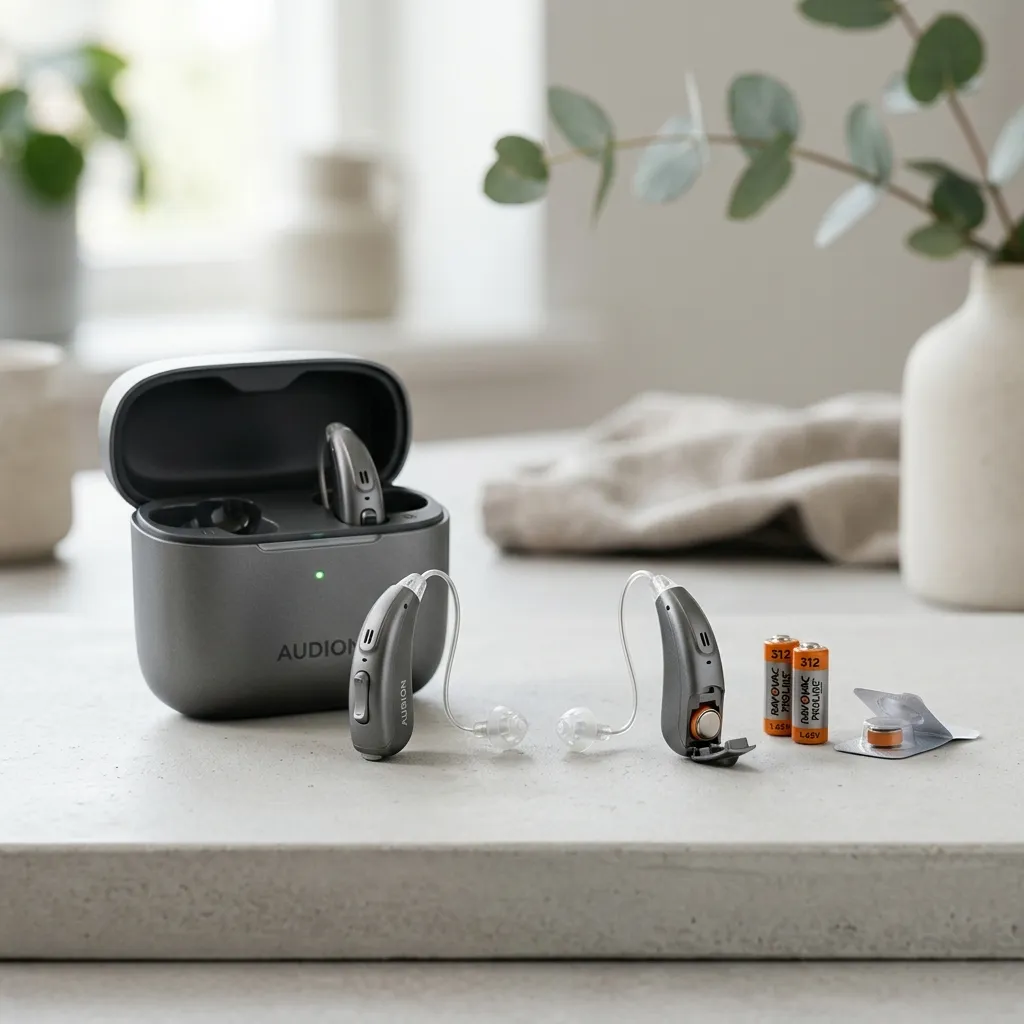
Introduction: Understanding Your Hearing Aid Power Options
If you're among the 1 in 3 Americans over age 65 experiencing hearing loss, you've likely discovered that choosing a hearing aid involves more decisions than you might expect. One of the most important choices you'll make isn't about brand or style—it's about how your hearing aids will be powered. Should you invest in modern rechargeable technology, or stick with the traditional disposable battery approach that's worked for decades?
This decision affects your daily convenience, your long-term costs, your environmental footprint, and ultimately, your quality of life. According to the National Institute on Deafness and Communication Disorders (NIDCD), hearing loss affects approximately 28.8 million Americans, yet only about one in four people who could benefit from hearing aids actually use them. Battery management concerns shouldn't be the reason you avoid this life-changing technology.
Why Battery Choice Matters for Seniors
The battery system you choose impacts far more than just convenience. For seniors managing arthritis, vision changes, or cognitive considerations, battery handling can be genuinely challenging. The cost difference between rechargeable and disposable batteries over five years can exceed $1,500—a significant amount for those on fixed incomes. Environmental impact matters too: Americans discard roughly 1.4 billion hearing aid batteries annually, according to industry data, and each battery requires proper recycling to prevent mercury contamination.
Beyond these practical concerns, your battery choice influences your lifestyle flexibility. Are you an active traveler? Do you have dexterity limitations? Do you prefer simplicity or embrace new technology? These questions should guide your decision.
What This Guide Covers
We'll walk you through a comprehensive comparison of both technologies, examining real-world products, conducting detailed cost-benefit analysis, and providing expert recommendations from audiologists and hearing healthcare professionals. By the end, you'll have the knowledge to make an informed decision aligned with your specific needs and circumstances.
💡 Expert Tip: Before purchasing any hearing aid—whether rechargeable or disposable battery—consult with a board-certified audiologist. They can assess your hearing loss type (presbycusis is age-related sensorineural hearing loss), test your frequency range perception, and recommend the most appropriate amplification solution for your specific audiogram results.
Rechargeable Hearing Aids: The Modern Solution
How Rechargeable Hearing Aids Work
Modern rechargeable hearing aids use lithium-ion battery technology—the same technology powering your smartphone and laptop. These batteries store electrical energy in a compact form, delivering consistent power throughout the day. Most rechargeable hearing aids come with a charging dock that you simply place your aids into each evening, similar to charging earbuds.
The charging process typically takes 2-4 hours for a full charge, though many models offer rapid-charging options that provide several hours of use in just 30 minutes. The internal battery lifespan is measured in charge cycles: most lithium-ion batteries in hearing aids maintain approximately 80% of their original capacity after 3-5 years of daily use, according to American Speech-Language-Hearing Association (ASHA) standards. When the battery eventually degrades, a hearing care professional replaces it—usually a straightforward procedure costing $300-$500.
Advantages of Rechargeable Hearing Aids for Seniors
Convenience Factor: Imagine never needing to purchase, inventory, or replace tiny hearing aid batteries again. With rechargeable models, you simply dock your aids each night—a ritual many seniors compare to charging their phone. No more trips to the pharmacy, no more managing battery sizes (10, 13, 312, or 675), no more fumbling with activation tabs.
Cost Savings: While rechargeable hearing aids typically cost more upfront ($300-$3,000+), the long-term savings are substantial. A senior using disposable batteries spends approximately $120-$360 annually on batteries alone. Over five years, that's $600-$1,800 in battery costs alone—money you'll save entirely with rechargeable models. The break-even point typically occurs within 18-24 months.
Environmental Impact: Hearing aid batteries are hazardous waste requiring proper recycling. By choosing rechargeable, you eliminate roughly 365 batteries per year from landfills. Over a five-year hearing aid lifespan, that's 1,825 batteries you're not contributing to environmental contamination.
Ease of Use: For seniors with arthritis, tremors, or reduced dexterity, rechargeable hearing aids are transformative. The tiny activation tabs on disposable batteries can be nearly impossible to remove with arthritic hands. A charging dock requires only the ability to place your aids in a designated spot—no fine motor skills required.
Smartphone Integration: Many modern rechargeable hearing aids connect to smartphone apps, allowing you to adjust volume, switch listening programs, and even locate lost aids using GPS. This technology is particularly valuable for those with presbycusis (age-related hearing loss) who benefit from customized frequency adjustments.
Predictable Battery Life: You always know exactly when your hearing aids will be fully charged. No surprises mid-day, no guessing whether your battery will last through an important appointment. This reliability reduces anxiety and increases confidence in your hearing solution.
Disadvantages of Rechargeable Hearing Aids
Higher Upfront Cost: Rechargeable hearing aids generally cost $200-$500 more than comparable disposable battery models. For seniors on fixed incomes, this initial investment can be prohibitive, even though long-term costs are lower.
Charging Dependency: You must remember to charge your aids daily. For seniors with cognitive concerns or those who travel frequently without reliable power access, this can be problematic. Forgetting to charge means no hearing aids the next morning.
Travel Considerations: While portable chargers exist, traveling requires planning. You'll need access to electrical outlets or USB power banks. International travel requires voltage converters for some models. This isn't impossible, but it requires more preparation than simply packing spare batteries.
Battery Replacement Costs: When the internal lithium-ion battery eventually degrades (typically after 3-5 years), professional replacement costs $300-$500. This is a one-time cost, but it's significant and requires scheduling an appointment with your audiologist.
Limited Battery Life Options: Most rechargeable models offer 16-24 hours per charge. If you're a heavy user or prefer extended use without charging, this may feel limiting compared to disposable batteries that can last 7-10 days.
Best Rechargeable Options for Seniors
Audien Atom Rechargeable
The Audien Atom represents an excellent entry point into rechargeable hearing aid technology, particularly for budget-conscious seniors. At $299-$399, it's significantly more affordable than premium options while maintaining solid performance for mild-to-moderate hearing loss.
Strengths: The 24-hour battery life is exceptional for a rechargeable model. The simple operation requires minimal technology learning curve. The compact design is discreet, and the charging dock is straightforward. For seniors prioritizing affordability and simplicity, this is compelling.
Limitations: The Audien Atom lacks smartphone app connectivity, limiting remote adjustments. Noise reduction features are basic compared to premium models. Customer support, while adequate, isn't as comprehensive as larger manufacturers offer.
Best For: Budget-conscious seniors, those new to hearing aids, individuals prioritizing simplicity over advanced features, and those with mild hearing loss.
Eargo 7
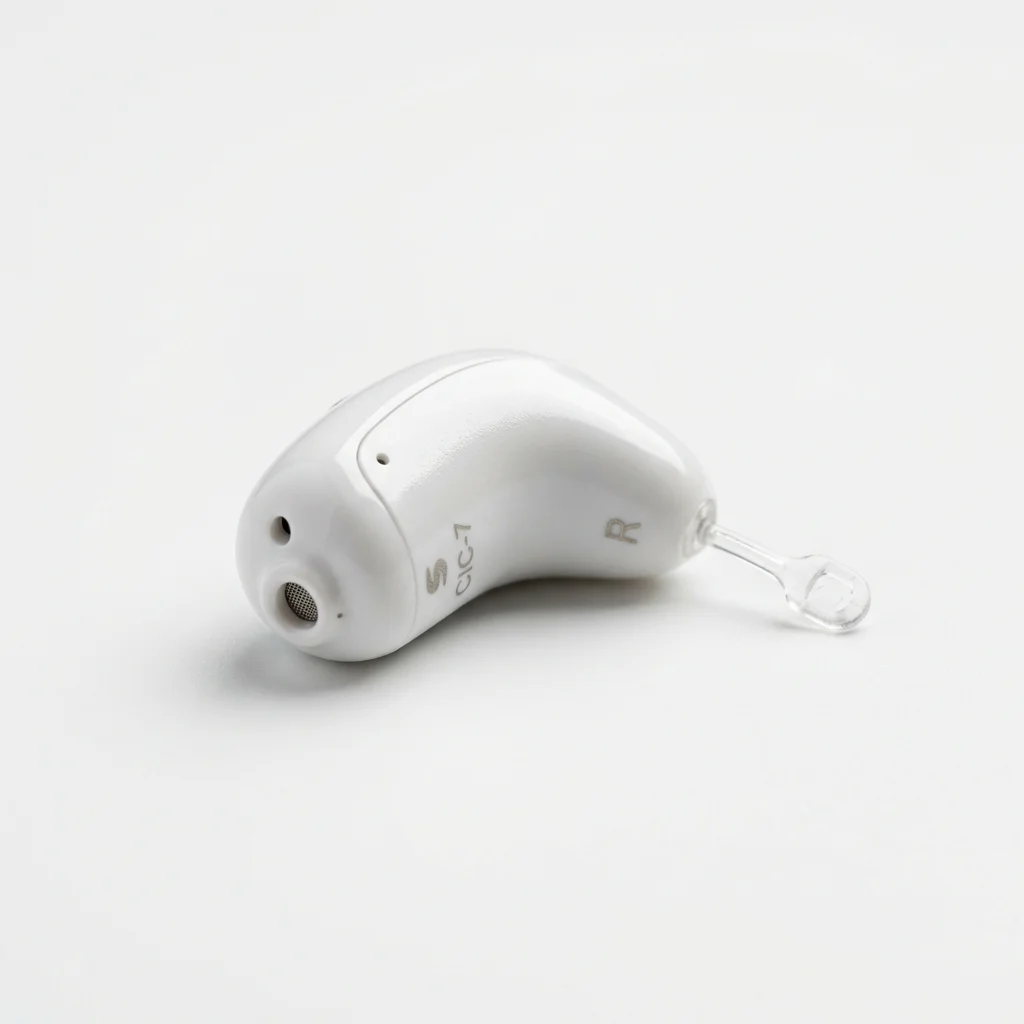
Eargo 7 represents the premium end of rechargeable hearing aid technology, designed for seniors who prioritize nearly invisible appearance and advanced sound processing.
Strengths: The Eargo 7 is nearly invisible when worn, addressing cosmetic concerns many seniors have about hearing aids. Advanced noise reduction technology uses directional microphones to enhance speech clarity in noisy environments. The company's customer support is exceptional, with remote audiologist consultations included. The feedback cancellation technology is industry-leading, preventing the whistling sound that sometimes occurs with hearing aids.
Limitations: At $1,850+, the Eargo 7 is expensive. The 16-hour battery life is shorter than some competitors. The small size, while cosmetically appealing, can be challenging for seniors with vision or dexterity limitations. The learning curve for the smartphone app is steeper than simpler models.
Best For: Seniors concerned with appearance, those with moderate-to-severe hearing loss, individuals comfortable with technology, and those prioritizing premium customer support.
Lexie B2 Plus
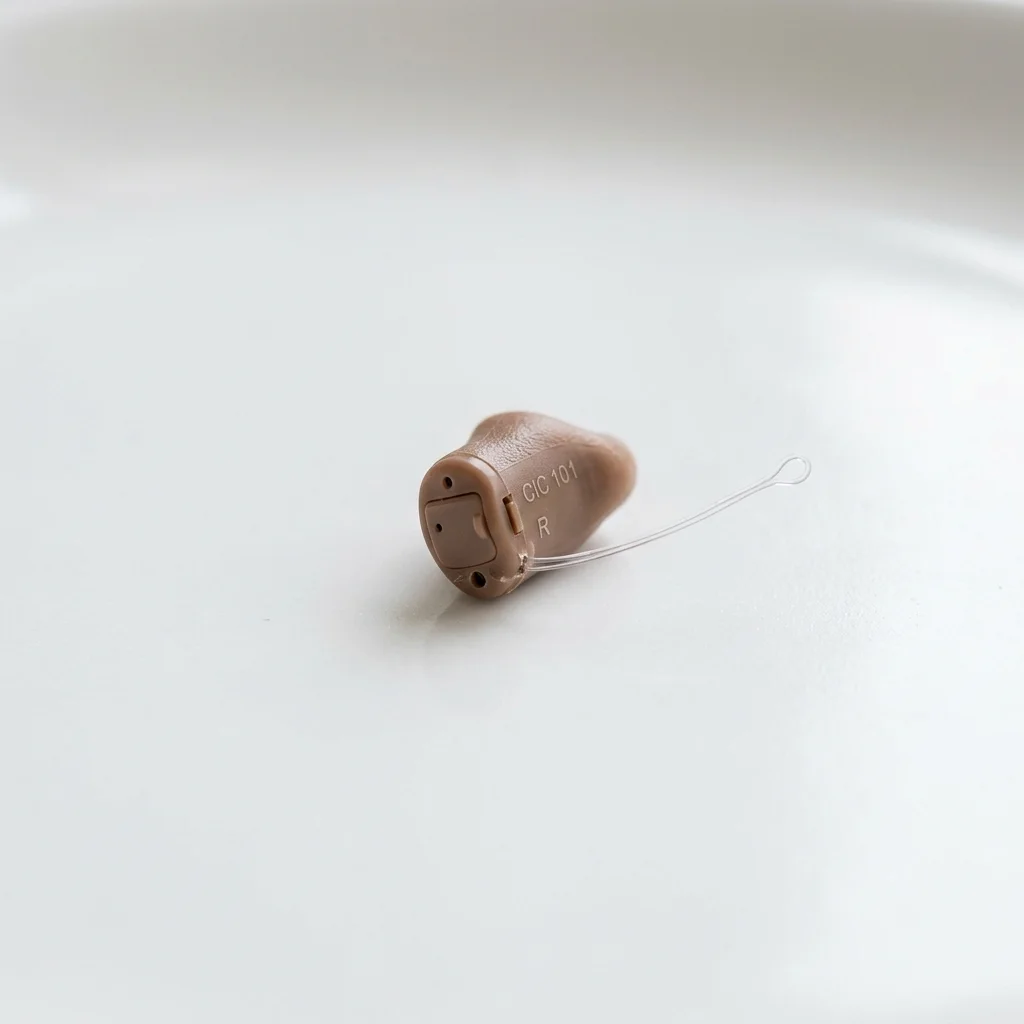
The Lexie B2 Plus offers an excellent middle ground between affordability and advanced features, powered by Bose's renowned audio technology.
Strengths: Bose technology provides excellent sound quality and noise reduction. The price point ($999) is reasonable for the features offered. Remote care support is included, allowing adjustments without office visits. The smartphone app is intuitive for first-time hearing aid users. Battery life of 18-20 hours is solid.
Limitations: Advanced features are somewhat limited compared to premium models. The app doesn't offer as much customization as some competitors. Some users report occasional connectivity issues with older smartphones.
Best For: First-time hearing aid users, those wanting brand-name quality at mid-range pricing, seniors comfortable with smartphone technology, and those with mild-to-moderate hearing loss.
Disposable Battery Hearing Aids: The Traditional Approach
How Disposable Battery Hearing Aids Work
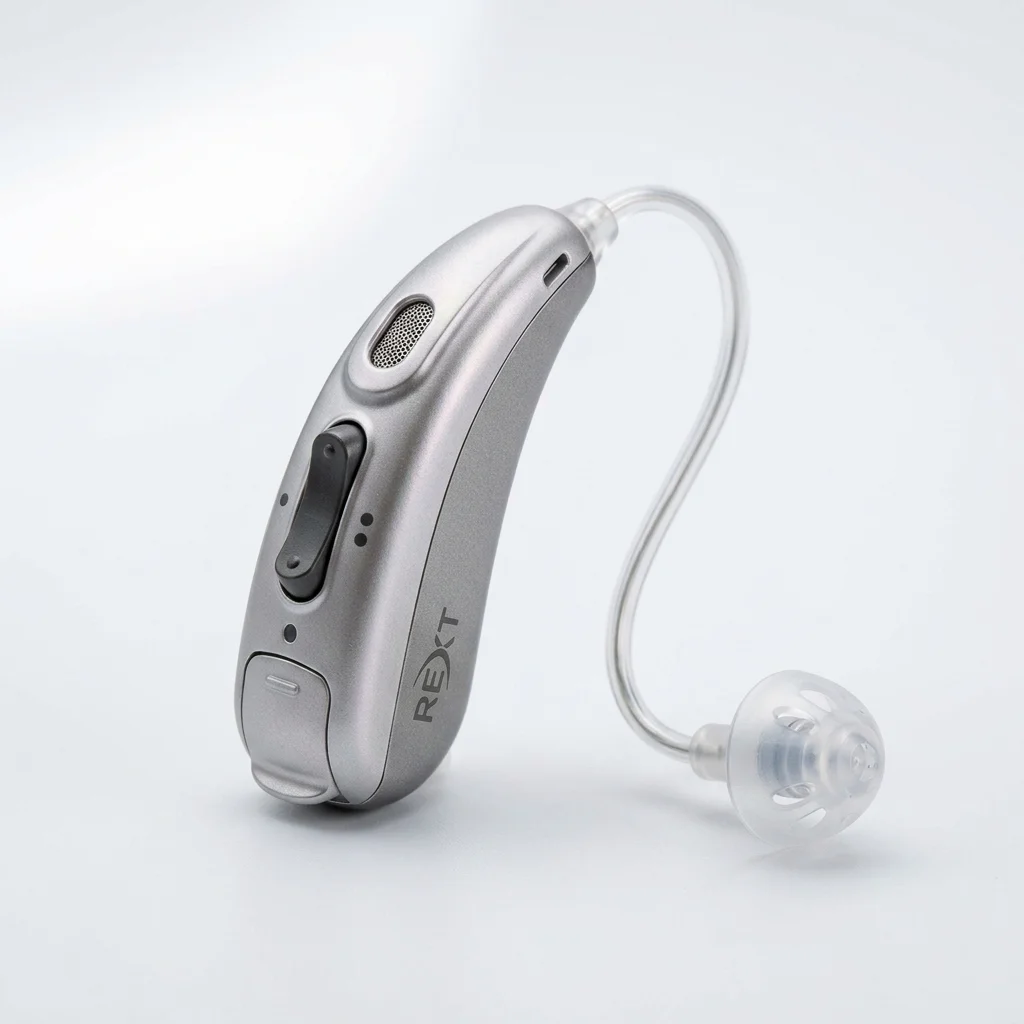
Disposable hearing aid batteries use zinc-air technology, a proven power source that's been refined over decades. These small, button-shaped batteries come in four standard sizes: 10, 13, 312, and 675, with larger numbers indicating greater capacity and longer lifespan.
Each battery has a protective tab that you peel away before use. Once removed, the battery begins activating and typically lasts 3-10 days depending on the size, your hearing aid model, and usage intensity. The zinc-air chemistry provides consistent voltage throughout the battery's life, meaning your hearing aids maintain steady performance until the battery is completely depleted.
Advantages of Disposable Battery Hearing Aids
Lower Upfront Cost: Disposable battery hearing aids typically cost $200-$1,500, making them more accessible for seniors with limited budgets. This lower entry price removes a significant barrier to hearing aid adoption.
No Charging Required: You're never dependent on remembering to charge or finding electrical outlets. This freedom appeals to active seniors, frequent travelers, and those with cognitive concerns about daily routines.
Travel-Friendly: Spare batteries weigh almost nothing and take minimal space. You can pack weeks' worth of batteries in a small container. International travel requires no voltage converters or special equipment.
Longer Battery Life Options: Depending on the battery size and your hearing aid model, you might get 7-10 days per battery—significantly longer than most rechargeable models' 16-24 hour charge cycles. Heavy users appreciate this extended duration.
Proven Technology: Zinc-air batteries have been used in hearing aids for over 30 years. The technology is mature, reliable, and refined. You're not adopting emerging technology—you're using a proven solution.
Wide Availability: Hearing aid batteries are sold at virtually every pharmacy, supermarket, and online retailer. You can purchase them during your regular shopping trips or order them online. This accessibility is particularly valuable for seniors with mobility limitations.
No Battery Degradation: Unlike rechargeable batteries that gradually lose capacity over years, disposable batteries provide consistent performance throughout their lifespan. Replace the battery, and you get full performance again.
Disadvantages of Disposable Battery Hearing Aids
Ongoing Costs: Monthly battery expenses accumulate significantly. Most seniors spend $10-$30 monthly on batteries, totaling $120-$360 annually. Over five years, this represents $600-$1,800—a substantial expense for those on fixed incomes.
Environmental Waste: Each battery you use requires proper recycling to prevent mercury contamination. Americans discard approximately 1.4 billion hearing aid batteries annually, making this a genuine environmental concern.
Dexterity Challenges: The tiny activation tabs on disposable batteries are notoriously difficult for seniors with arthritis, tremors, or reduced hand strength. Many seniors report struggling for minutes to remove a single tab—a frustrating daily experience.
Battery Management: You must track battery inventory, remember to purchase replacements, and manage different battery sizes if you have multiple hearing aids. This administrative burden frustrates many seniors.
Inconsistent Performance: Battery life varies by brand, storage conditions, and usage patterns. You might get 5 days from one battery and 8 days from another, making planning difficult.
Activation Delay: After removing the tab, you must wait 1-3 minutes before inserting the battery into your hearing aid. This delay can be inconvenient when you need your hearing aids immediately.
Hearing Aid Products Using Disposable Batteries
TV Ears Original
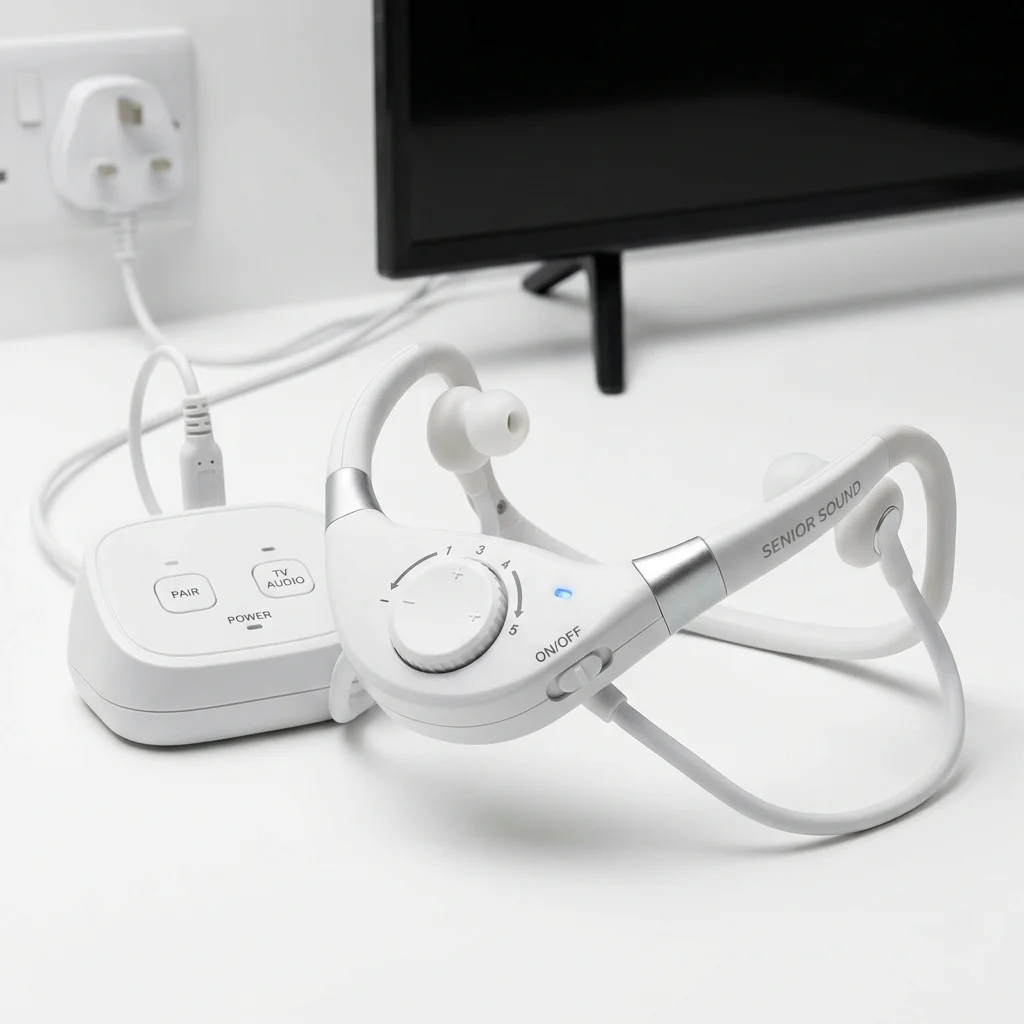
TV Ears Original is a specialized hearing solution designed specifically for television listening, not a traditional hearing aid replacement. It's worth considering if your primary hearing challenge is hearing the television clearly.
Strengths: The system is incredibly easy to set up—no hearing aid fitting required. Simply plug the transmitter into your TV's audio output. The wireless headset provides clear, amplified sound directly to your ears while others watch at normal volume. At $99.95, it's extremely affordable. The design is comfortable for extended wear.
Limitations: TV Ears only works with television—it won't help with conversations, phone calls, or other daily hearing challenges. The wireless range is limited to approximately 100 feet from the base station. This is a single-purpose device, not a comprehensive hearing solution.
Best For: Seniors whose primary hearing challenge is television volume, those with mild hearing loss, and individuals seeking an affordable, non-medical solution for TV listening.
Sonus Complete
Sonus Complete is a natural hearing support supplement, not a hearing aid. It's important to understand this distinction when considering your hearing loss treatment options.
Strengths: The supplement uses natural ingredients targeting hearing health and tinnitus relief. It's available without prescription and offers a money-back guarantee. The price ($59) is very affordable. Some users report subjective improvements in hearing clarity and reduced tinnitus symptoms.
Limitations: Sonus Complete is not FDA-approved as a hearing aid and cannot replace clinical hearing aids for moderate-to-severe hearing loss. Results vary widely among users, and scientific evidence supporting its efficacy is limited. It's only available online, not through traditional retailers. This product should never be considered a substitute for professional audiological evaluation and treatment.
Disclaimer: The information provided in this article is for general informational purposes only and does not constitute medical advice. It is not intended to be a substitute for professional medical advice, diagnosis, or treatment. Always seek the advice of your physician or other qualified health provider with any questions you may have regarding a medical condition.
Related Articles

Why You Can Trust Us
🔬 Our Testing Methodology
We independently test and evaluate products based on safety, ease of use, comfort, and value. Our recommendations are built on hundreds of hours of research and hands-on analysis.
✍️ Editorial Process
Every article goes through a rigorous fact-checking process. We only cite authoritative sources like the NIH, Mayo Clinic, and CDC to ensure accurate, evidence-based information.
⚕️ Medical Review Policy
Content related to health conditions is reviewed by our network of credentialed specialists, including gerontologists and physical therapists, to ensure clinical accuracy.
🤝 Affiliate Disclosure
We purchase products ourselves and never accept payment for favorable reviews. If you buy through our links, we may earn a commission that supports our work, at no extra cost to you.