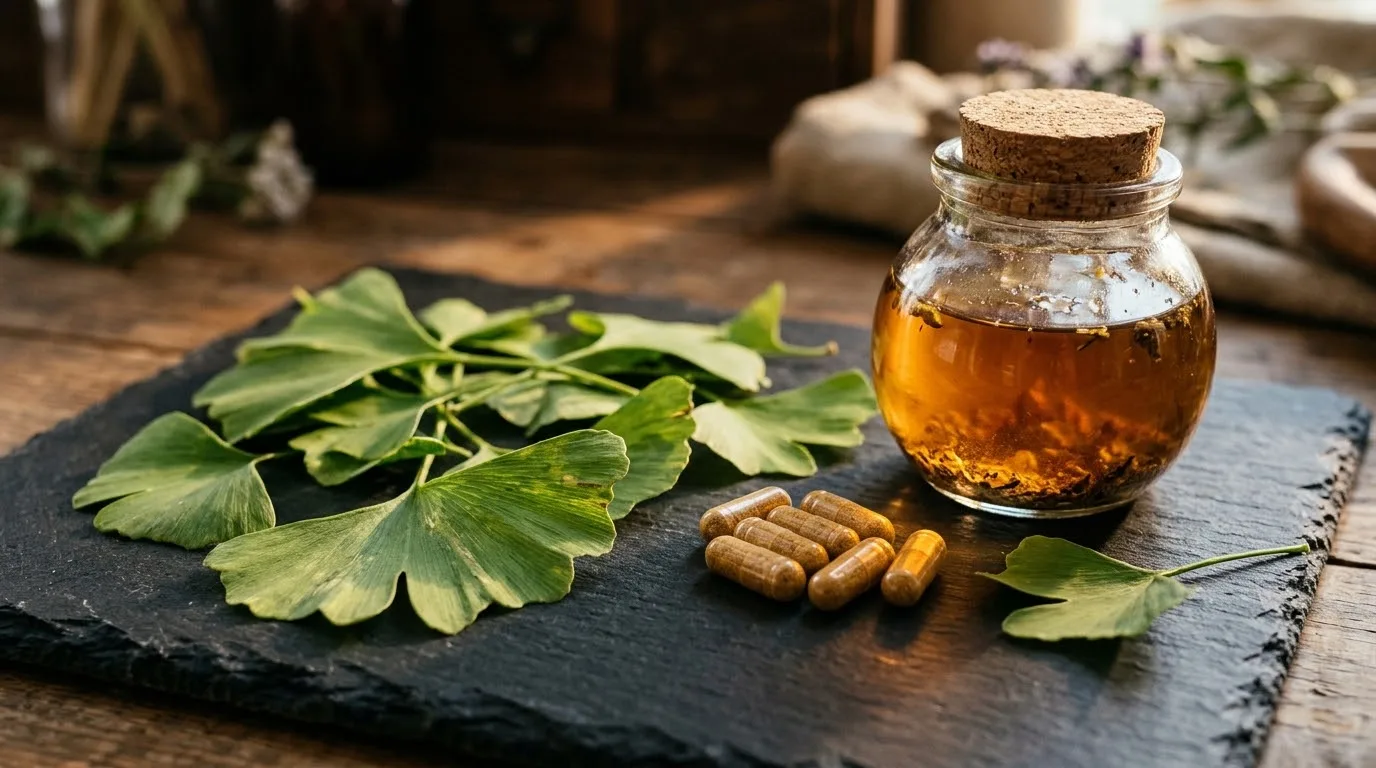
It is a scenario familiar to millions of aging adults: walking into the kitchen only to forget what you came for, misplacing your reading glasses for the third time in a morning, or pausing mid-sentence to search for a once-familiar word. According to data from the Centers for Disease Control and Prevention (CDC) and the National Institute on Aging (NIA), roughly 11% of American adults aged 45 and older report subjective cognitive decline. As we celebrate our 60s, 70s, and beyond, maintaining sharp memory recall, processing speed, and sustained attention becomes essential for preserving independence and quality of life.
Phosphatidylserine vs Ginkgo Biloba for Seniors (2026)
Compare Phosphatidylserine vs Ginkgo Biloba for senior memory, focus, and safety. Discover clinical evidence, blood thinner risks, and top picks.
By SeniorEaseGuide Research Editorial•✓ Evidence-Based•Updated Nov 9, 2026• 11 min read
Listen to this article
0:00 / 0:00Table of Contents (23 sections)
- ↳ 🧠 How Phosphatidylserine Works in the Aging Brain
- • 🌿 Understanding Ginkgo Biloba: The Vascular Microcirculation Enhancer
- ↳ 🧠 How Ginkgo Biloba Enhances Brain Perfusion
- • 📊 Head-to-Head Comparison: Phosphatidylserine vs Ginkgo Biloba
- • ⚡ Key Differences: Memory Recall vs. Mental Focus
- ↳ 👂 Phosphatidylserine Excels at Memory Recall & Relearning
- ↳ 🧠 Ginkgo Biloba Excels at Daily Focus & Vascular Alertness
- • ⚠️ Crucial Safety & Drug Interactions: The Blood Thinner Warning
- ↳ ⚠️ The Safety Risk of Ginkgo Biloba with Anticoagulants
- ↳ ⚠️ Phosphatidylserine’s Favorable Safety Profile
- • 💊 Senior Usability & Daily Regimen Considerations
- ↳ 🔹 1. Capsule Size & Dysphagia (Swallowing Difficulties)
- ↳ 🛒 2. Allergens: Soy vs. Sunflower Sources
- ↳ ⚠️ 3. Daily Timing and Food Interactions
- • 🏆 SeniorEase Score™ Verdict
- ↳ 🔹 Phosphatidylserine Overall Score: 4.7 / 5.0
- ↳ 🔹 Ginkgo Biloba Overall Score: 4.2 / 5.0
- • 💡 Final Recommendation
- • ❓ Frequently Asked Questions (FAQ)
- ↳ 🔹 1. Can I take Phosphatidylserine and Ginkgo Biloba together?
- ↳ 🔹 2. How long does it take to see results from Phosphatidylserine versus Ginkgo?
- ↳ 🔹 3. Is soy-based Phosphatidylserine safe for seniors with allergies?
- ↳ 🔹 4. Should I stop taking Ginkgo Biloba before a scheduled surgery or dental work?
📋 Senior Quick-Action Protocol & Checklist
To put the clinical guidance above into immediate practice, our geriatric research team outlines this evidence-based protocol for restorative sleep & cervical alignment protocol:
- ✔Step 1 (Cervical Spine Leveling): Align your neck horizontally using an Adjustable Loft Ergonomic Pillow or orthopedic Cervical Memory Foam Pillow to eliminate morning neck stiffness.
- ✔Step 2 (Bedroom Thermal Window): Keep ambient temperature at 65°F–68°F paired with breathable Cooling Bamboo Sheets to facilitate deep restorative delta sleep.
- ✔Step 3 (Restorative Mineral Wind-Down): Consider gentle sleep relaxation with Magnesium Glycinate 400mg 45 minutes before bedtime to prevent midnight muscle tension.
When searching for natural brain health support, two names consistently top the list of evidence-backed options: Phosphatidylserine (PS) and Ginkgo Biloba. While both supplements are frequently marketed for age-related memory enhancement, they operate through fundamentally different physiological mechanisms. Phosphatidylserine acts as a foundational structural lipid that rebuilds aging neuronal cell membranes, whereas Ginkgo Biloba functions primarily as a botanical botanical vasodilator that enhances cerebral microcirculation.
In this clinical comparison, we evaluate the peer-reviewed evidence, head-to-head performance for memory recall versus focus, senior-specific usability, and critical safety warnings—particularly regarding concurrent blood thinner use.
Phosphatidylserine is an essential phospholipid component of the neuronal cell membrane bilayer. It is particularly concentrated in the internal layer of cell membranes within human brain tissue, where it plays an irreplaceable role in maintaining membrane fluidity, facilitating signal transduction, and supporting neurotransmitter release.
As we age, total brain concentrations of Phosphatidylserine naturally decline. This structural loss alters cell-to-cell communication, diminishes dendritic spine density, and dampens the efficiency of key neurotransmitters like acetylcholine and dopamine—chemical messengers vital for short-term memory formation and recall.
🧠 How Phosphatidylserine Works in the Aging Brain
Unlike transient stimulants, Phosphatidylserine provides physical building blocks for damaged neurons. Its physiological mechanisms include:
- ✔ Restoring Cell Membrane Fluidity: Keeps neuronal membranes flexible, enabling optimal transport of nutrients into cells and cellular waste out of cells.
- ✔ Neurotransmitter Support: Enhances the synthesis and release of acetylcholine, a chemical messenger critical for memory consolidation and retrieval.
- ✔ Cortisol Modulation: Helps blunt excessive blunted stress responses by moderating hyperactive cortisol levels, protecting delicate hippocampal neurons from chronic stress-induced atrophy.
- ✔ Glucose Metabolism: Promotes efficient cerebral glucose utilization, providing aging brain cells with the energetic fuel necessary for clear thinking.
Multiple double-blind, placebo-controlled human trials have examined PS supplementation in seniors experiencing age-associated memory impairment (AAMI). Clinical studies demonstrate that daily intake of 100 mg to 300 mg of Phosphatidylserine supplements significantly improves word recall, executive function, and recognition memory over 8 to 12 weeks of consistent use. Remarkably, Phosphatidylserine remains one of the very few dietary supplements to hold a Qualified Health Claim from the U.S. Food and Drug Administration (FDA) regarding cognitive decline reduction.
🌿 Understanding Ginkgo Biloba: The Vascular Microcirculation Enhancer
Derived from the leaves of one of the world's oldest surviving tree species, Ginkgo Biloba has been utilized in traditional medicine for centuries. Modern dietary supplements utilize standardized leaf extracts—most notably EGb 761—which are engineered to contain precise percentages of active compounds: 24% ginkgo flavone glycosides and 6% terpene lactones (ginkgolides and bilobalide).
Where Phosphatidylserine builds the physical structure of brain cells, Ginkgo Biloba targets the blood vessels that feed them. Brain function relies on a constant delivery of oxygen and glucose through tiny microcapillaries. As vascular stiffness increases with age, microvascular perfusion often declines, contributing to brain fog and reduced cognitive stamina.
🧠 How Ginkgo Biloba Enhances Brain Perfusion
Standardized Ginkgo Biloba operates primarily on the vascular system and cellular metabolic pathways:
- 👉 Vasodilation & Blood Flow: Stimulates endothelial nitric oxide production, relaxing cerebral arterial walls and improving microcapillary blood flow to ischemic brain tissues.
- 👉 Potent Antioxidant Protection: Flavonol glycosides neutralize damaging reactive oxygen species (free radicals) that target fatty brain tissues.
- 👉 Platelet Activation Inhibition: Terpenoids (specifically Ginkgolide B) act as natural antagonists to Platelet-Activating Factor (PAF), reducing blood viscosity and platelet aggregation.
- 👉 Mitochondrial Support: Protects cellular powerhouses (mitochondria) from oxidative stress, enhancing cellular energy production during complex cognitive tasks.
Large-scale clinical investigations, such as the landmark Ginkgo Evaluation of Memory (GEM) Study funded by the National Institutes of Health (NIH), revealed that while standardized Ginkgo Biloba extract does not reverse advanced dementia, it provides moderate benefits for daily mental alertness, vascular focus, and mild age-related circulatory sluggishness in older adults.
📊 Head-to-Head Comparison: Phosphatidylserine vs Ginkgo Biloba
To help you evaluate which nutraceutical aligns best with your health goals, the following chart compares key operational metrics, active compounds, standard clinical dosages, and primary safety considerations.
| Feature / Specification | Phosphatidylserine (PS) | Ginkgo Biloba (EGb 761) |
|---|---|---|
| Primary Category | Structural Phospholipid (Membrane Lipid) | Botanical Herbal Extract (Vasodilator) |
| Primary Mechanism | Restores cell membrane fluidity & neurotransmitters | Increases cerebral capillary blood flow & reduces viscosity |
| Key Active Ingredients | Phosphatidylserine (Soy or Sunflower-derived) | 24% Flavone Glycosides / 6% Terpene Lactones |
| Standard Dosage | 100 mg twice or three times daily (100–300 mg/day) | 120 mg to 240 mg daily (divided into 2 doses) |
| Core Cognitive Focus | Memory recall, word-finding, learning capacity | Mental sharpness, focus, cold-extremity circulation |
| Blood Thinner Safety | High Safety: Minimal impact on clotting | High Warning: Inhibits platelet aggregation (PAF) |
| Senior Usability Factor | Softgels (often larger, take with meal containing fat) | Small tablets or softgels (easy to swallow) |
| View details → | View details → |
⚡ Key Differences: Memory Recall vs. Mental Focus
Choosing between these two popular supplements often comes down to identifying your specific primary cognitive symptom:
👂 Phosphatidylserine Excels at Memory Recall & Relearning
If your chief complaint involves forgetting names of acquaintances, losing your train of thought midway through a story, or struggling to retain new information, Phosphatidylserine is supported by robust structural evidence. Because it repairs the physical structure of the neuronal membrane, it directly impacts the density of synaptic receptors required for long-term potentiation—the biological foundation of memory consolidation. Clinical trials demonstrate that seniors taking PS exhibit measurable improvements in remembering lists, face-name association, and spatial recall.
🧠 Ginkgo Biloba Excels at Daily Focus & Vascular Alertness
Conversely, if your primary challenge is mental fatigue, slow processing speed, or general brain fog accompanied by poor peripheral circulation (such as cold hands and feet), Ginkgo Biloba offers targeted microvascular benefits. By dilating microblood vessels and reducing free radical damage inside arterial walls, Ginkgo promotes consistent oxygenation to subcortical brain regions. This vasodilation produces an invigorating effect on alertness, sustained mental endurance during reading, and overall daytime energy.
⚠️ Crucial Safety & Drug Interactions: The Blood Thinner Warning
Safety is the most critical consideration for seniors evaluating dietary supplements. Many older adults take prescription medications for cardiovascular health, hyperlipidemia, or hypertension. Here, the safety profiles of Phosphatidylserine and Ginkgo Biloba diverge dramatically.
⚠️ The Safety Risk of Ginkgo Biloba with Anticoagulants
Ginkgo Biloba contains ginkgolides that inhibit Platelet-Activating Factor (PAF). By preventing blood platelets from clumping together, Ginkgo exerts a potent mild blood-thinning effect. When combined with prescription blood thinners, antiplatelet drugs, or common over-the-counter pain relievers, Ginkgo significantly elevates the risk of internal bleeding, bruising, and spontaneous intracranial hemorrhage.
Avoid combining Ginkgo Biloba with:
- ⚠️ Anticoagulants: Warfarin (Coumadin), Eliquis (apixaban), Xarelto (rivaroxaban), Pradaxa (dabigatran).
- ⚠️ Antiplatelet Medications: Plavix (clopidogrel), Effient (prasugrel).
- ⚠️ Over-the-Counter NSAIDs: Daily Aspirin, Ibuprofen (Advil/Motrin), Naproxen sodium (Aleve).
- ⚠️ Surgical Procedures: Ginkgo must be discontinued at least 14 days prior to any elective surgery, dental procedure, or invasive medical test.
⚠️ Phosphatidylserine’s Favorable Safety Profile
In contrast, clinical studies show that Phosphatidylserine does not alter platelet aggregation, prothrombin time, or vascular dynamics. It carries an exceptional safety record in clinical trials lasting up to 6 months, showing no significant adverse interactions with cardiovascular medications, blood thinners, or diabetes management drugs. This makes PS a substantially safer baseline memory choice for seniors who take daily anticoagulant therapies under medical supervision.
💊 Senior Usability & Daily Regimen Considerations
A supplement is only effective if a senior can consistently, safely, and comfortably incorporate it into daily routine. Several practical factors impact daily compliance:
🔹 1. Capsule Size & Dysphagia (Swallowing Difficulties)
Phosphatidylserine is a fatty lipid compound typically delivered in lipid-filled softgels. These softgels can sometimes be moderate to large in size. Seniors who experience mild dysphagia (difficulty swallowing large pills) should look for sunflower-derived Phosphatidylserine softgels formulated in smaller 100 mg mini-softgel sizes or liquid concentrates. Conversely, standardized Ginkgo Biloba extract powders are compact, allowing manufacturers to fit effective 60 mg or 120 mg doses into tiny, easy-to-swallow hard tablets or small vegetarian capsules.
🛒 2. Allergens: Soy vs. Sunflower Sources
Historically, commercial Phosphatidylserine was manufactured using bovine (brain) tissue, which was discontinued due to safety concerns. Today, high-grade PS is produced from plant lecithin. Soy lecithin remains a common raw source; however, seniors with soy allergies or sensitivities can easily find non-GMO, soy-free sunflower lecithin-derived Phosphatidylserine, which offers identical bioactivity without allergenic triggers.
⚠️ 3. Daily Timing and Food Interactions
Because PS is a phospholipid (a structural fat), it requires dietary fat for optimal gastrointestinal absorption. Seniors should always take PS with meals—such as alongside breakfast eggs, yogurt, or dinner. Ginkgo Biloba, being a water/ethanol botanical extract, can be taken with or without food, though taking it with meals reduces the small possibility of mild stomach upset.
🏆 SeniorEase Score™ Verdict
Our overall SeniorEase Score™ balances rigorous clinical evidence, user safety, senior-friendly dosage form, and total daily value.
🔹 Phosphatidylserine Overall Score: 4.7 / 5.0
- ✔ Clinical Evidence: 4.9/5 (FDA qualified health claim; direct neuron structural repair)
- ✔ Safety Profile: 4.9/5 (Does not interact with blood thinners or clotting pathways)
- ✔ Ease of Use: 4.3/5 (Requires taking softgels 2–3 times daily with fatty meals)
- ✔ Value for Money: 4.5/5 (Higher production cost, but superior direct cellular benefit)
🔹 Ginkgo Biloba Overall Score: 4.2 / 5.0
- 👉 Clinical Evidence: 4.2/5 (Excellent microvascular study support; mixed results for memory)
- 👉 Safety Profile: 3.5/5 (High bleeding risk warning when combined with thinners/NSAIDs)
- 👉 Ease of Use: 4.8/5 (Very small tablets; easy once or twice daily dosing)
- 👉 Value for Money: 4.7/5 (Highly affordable and widely accessible)
💡 Final Recommendation
If your goal is to directly target age-related word-recall difficulties, retain short-term memory, and build synaptic health without worrying about interactions with daily blood thinners, Phosphatidylserine is the clear, clinically superior choice for most seniors.
If you are a healthy senior not taking anticoagulant or antiplatelet medications, who primarily wants an affordable, small-tablet supplement to combat sluggish morning mental energy and support overall extremity circulation, standardized Ginkgo Biloba remains a valuable, time-tested herbal option. Always consult your primary care physician or pharmacist before introducing any new dietary supplement to your daily healthcare routine.
❓ Frequently Asked Questions (FAQ)
🔹 1. Can I take Phosphatidylserine and Ginkgo Biloba together?
Yes, healthy seniors who are not on blood thinners, antiplatelet medications, or daily aspirin can safely combine Phosphatidylserine and Ginkgo Biloba. Because they operate through entirely different mechanisms—PS providing structural membrane support and Ginkgo boosting capillary blood flow—they can offer complementary cognitive benefits. However, always confirm safety with your physician first.
🔹 2. How long does it take to see results from Phosphatidylserine versus Ginkgo?
Phosphatidylserine works incrementally by building up cell membrane density; clinical trials typically measure noticeable improvements in memory recall after 6 to 12 weeks of daily 300 mg intake. Ginkgo Biloba's circulatory effects occur more rapidly, with many seniors reporting minor improvements in daily alertness and mental stamina within 2 to 4 weeks of consistent dosage.
🔹 3. Is soy-based Phosphatidylserine safe for seniors with allergies?
Seniors with known soy allergies should avoid soy-derived PS supplements. Fortunately, sunflower-derived Phosphatidylserine is widely available, completely soy-free, non-GMO, and clinically equivalent in efficacy and bioavailability.
🔹 4. Should I stop taking Ginkgo Biloba before a scheduled surgery or dental work?
Yes, absolutely. Because Ginkgo Biloba inhibits Platelet-Activating Factor (PAF) and thins the blood, medical guidelines strongly recommend discontinuing Ginkgo Biloba supplementation at least 14 days prior to any elective surgery, invasive medical procedure, or major dental work to minimize excessive bleeding risks.



Medical Disclaimer: The information provided in this guide is for educational purposes only and is not intended as personal medical advice. Always consult your physician, physical therapist, or qualified healthcare professional before beginning any new treatment, supplement, or mobility regimen.
Reviewed & Fact-Checked By

Sarah MitchellVerified Expert
Senior Care Researcher & Lead Editor
Sarah Mitchell is a dedicated senior care researcher and advocate with over 15 years of experience testing and reviewing products for older adults. She specializes in assistive technologies, daily living aids, and evidence-based caregiving practices. Full bio →
Master of Public Health (MPH) – Focus on AgingCertified Senior Advisor (CSA)Over 100+ Mobility Products Tested
Why You Can Trust Us
🔬 Testing Methodology
We independently evaluate products based on senior safety, ease of use, comfort, and value from hands-on analysis and research.
✍️ Editorial Process
Every article undergoes fact-checking, citing authoritative sources like the NIH, Mayo Clinic, and CDC for evidence-based accuracy.
⚕️ Medical Review Policy
Health content is reviewed by credentialed specialists, including gerontologists and physical therapists, to ensure clinical relevance.
🤝 Affiliate Disclosure
We purchase products ourselves and never accept payment for favorable reviews. Links may earn a commission at no extra cost to you.