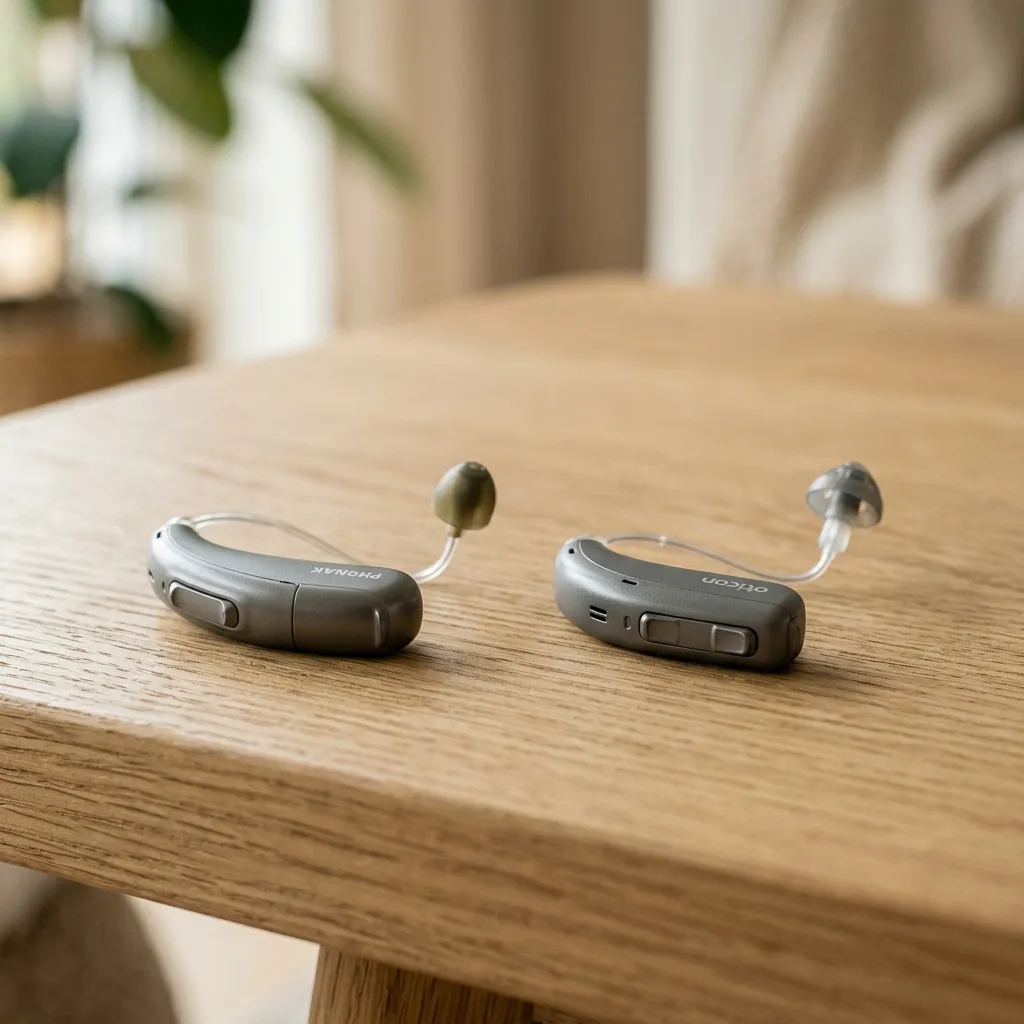
Understanding Your Hearing Aid Options
Hearing loss affects millions of Americans, and according to the National Institute on Deafness and Communication Disorders (NIDCD), approximately one in three people aged 65 and older experience hearing loss. Yet many seniors delay seeking help, which can lead to social isolation, cognitive decline, and reduced quality of life. The good news? Modern hearing aids—particularly from established brands like Phonak Signia and Oticon—offer exceptional sound quality, connectivity, and ease of use that can restore your engagement with family, friends, and community.
Choosing between hearing aid brands can feel overwhelming. Both Phonak Signia and Oticon are FDA-approved, clinically proven solutions trusted by audiologists nationwide. But they differ in philosophy, features, and user experience. This comprehensive guide will help you understand these differences so you can make an informed decision that matches your lifestyle, budget, and hearing needs.
Why This Comparison Matters for Seniors 55+
Presbycusis—age-related hearing loss—is the most common type of sensorineural hearing loss in older adults. It typically affects the ability to hear high frequencies first, making it harder to understand conversations in noisy environments, follow dialogue on television, or enjoy music. The impact extends beyond hearing: research published by the American Speech-Language-Hearing Association (ASHA) shows that untreated hearing loss is linked to increased risk of falls, depression, and cognitive decline in seniors.
Selecting the right hearing aid is personal. Your choice should reflect your daily activities, technology comfort level, budget, and specific hearing loss pattern. This guide compares two market leaders to help you find the best fit.
Overview of Phonak Signia Hearing Aids
Company Background and Reputation
Phonak, a subsidiary of Sonova, has over 70 years of hearing aid innovation. Signia is their premium consumer brand, known for cutting-edge technology and smartphone integration. Both brands are FDA-approved and widely recommended by audiologists. Phonak's commitment to research and development has made them a leader in wireless connectivity—a feature many tech-savvy seniors appreciate.
Key Technology Features
AutoSense OS Technology: Phonak Signia hearing aids automatically detect and adapt to your environment, switching between noise reduction, speech enhancement, and comfort modes without manual adjustment. This is particularly helpful for seniors who move between different settings throughout the day.
Direct Bluetooth Streaming: Unlike some competitors, Phonak Signia hearing aids stream directly from iPhones and Android devices. This means you can take phone calls, listen to audiobooks, or enjoy music without an intermediary device—a major advantage for seniors comfortable with smartphones.
Rechargeability: Most Phonak Signia models offer 24-hour rechargeable batteries. For seniors with arthritis or dexterity challenges, this eliminates the frustration of handling tiny disposable batteries.
Advanced Feedback Cancellation: Phonak's feedback management prevents the whistling sound that can occur with hearing aids, ensuring discreet, comfortable wear.
Best For
- Tech-savvy seniors who use smartphones regularly
- Those with active lifestyles requiring frequent environment changes
- Users who want seamless smartphone integration
- Seniors prioritizing modern, connected features
Overview of Oticon Hearing Aids
Company Background and Reputation
Oticon, founded in 1904, is one of the world's oldest and most respected hearing aid manufacturers. The company pioneered BrainHearing technology, a philosophy centered on how the brain processes sound rather than just amplifying frequencies. Oticon is FDA-approved and widely used in clinical settings, making it a trusted choice for seniors seeking established, proven solutions.
Key Technology Features
OpenSound Navigator: This technology helps your brain naturally process speech in noisy environments—a critical advantage for seniors who spend time in restaurants, family gatherings, or social events. Rather than aggressively cutting out background noise, it preserves the soundscape while enhancing speech clarity.
ConnectClip Compatibility: While Oticon doesn't offer direct smartphone streaming, their ConnectClip accessory (worn around the neck) provides wireless connectivity. Some seniors find this easier than managing app controls on a phone.
Battery and Rechargeable Options: Oticon offers both traditional disposable batteries (lasting 3-10 days) and rechargeable models (16-24 hours). This flexibility appeals to seniors with varying preferences.
Speech Enhancement: Oticon's technology is specifically designed to make speech sound natural and warm, rather than processed or artificial—important for seniors who want conversations to feel genuine.
Best For
- Seniors prioritizing natural, warm sound quality
- Those who spend significant time in noisy social environments
- Users who prefer simpler controls and less smartphone dependency
- People seeking established, clinically proven technology
Head-to-Head Comparison: Phonak Signia vs Oticon
Sound Quality and Processing
Noise Reduction: Phonak Signia uses advanced multi-channel noise reduction that aggressively filters background noise, making speech clearer in quiet settings. Oticon's OpenSound Navigator takes a different approach—it preserves environmental context while enhancing speech, which many seniors find more natural in social situations.
Speech Clarity: Phonak Signia excels in quiet environments with crisp, modern sound. Oticon shines in noisy environments, where its brain-friendly processing helps you follow conversations naturally. For seniors who attend family dinners, church services, or social clubs, Oticon's approach often feels more intuitive.
Sound Naturalness: Phonak Signia delivers a modern, slightly enhanced sound profile. Oticon prioritizes warmth and naturalness, making voices sound like they did before hearing loss. This is subjective—some seniors prefer Phonak's clarity, others prefer Oticon's warmth.
Feedback Management: Both brands excel here. Phonak's feedback cancellation is slightly more aggressive, while Oticon's is equally effective but less noticeable. For seniors concerned about whistling sounds, both are excellent choices.
Connectivity and Smartphone Integration
Phonak Signia: Direct streaming to iPhones and Android devices. Seniors can control volume and settings through the Phonak app, take calls hands-free, and listen to audiobooks or music. This is ideal for tech-comfortable seniors.
Oticon: Requires ConnectClip accessory for smartphone streaming. While this adds cost ($300-400), some seniors appreciate having a dedicated device rather than managing phone apps. The ConnectClip also works as a remote microphone, useful in group settings.
Implication for Seniors: If you're comfortable with smartphone apps and use your phone daily, Phonak Signia's direct streaming is more convenient. If you prefer simpler, dedicated devices, Oticon's ConnectClip approach may feel less overwhelming.
Battery Life and Charging
Phonak Signia: Rechargeable models offer 24-hour battery life with overnight charging. The charging case is compact and user-friendly. For seniors with arthritis or tremors, this eliminates the challenge of handling tiny disposable batteries.
Oticon: Rechargeable models offer 16-24 hours depending on the specific model. Battery-powered options use disposable batteries lasting 3-10 days. Oticon's flexibility appeals to seniors who travel frequently or prefer backup battery options.
For Seniors: Both options work well. Rechargeable is easier for those with dexterity concerns; disposable batteries offer flexibility for frequent travelers.
Ease of Use for Seniors
Button Size and Accessibility: Both brands offer behind-the-ear (BTE) and receiver-in-canal (RIC) designs. BTE models have larger buttons, better for seniors with vision or dexterity challenges. RIC models are more discreet but require finer motor control.
App Complexity: Phonak's app is intuitive for smartphone users but requires comfort with technology. Oticon's app is similarly designed. For seniors uncomfortable with apps, both brands work with simple remote controls or manual adjustments.
Hearing Care Professional Support: Both Phonak and Oticon have extensive networks of certified audiologists. The quality of local support often matters more than the brand—choose based on your audiologist's expertise and availability.
Adjustment Learning Curve: Most seniors adapt to hearing aids within 2-4 weeks. Both brands offer excellent follow-up support during this period. Oticon's simpler controls may feel less intimidating to less tech-savvy seniors.
Comfort and Fit
Design Options: Both brands offer BTE, RIC, and custom molded options. RIC designs are popular with seniors because they're discreet and comfortable for all-day wear. Custom molded options provide the most secure fit for active seniors.
Wearing Duration: Modern hearing aids are designed for 16+ hours of daily wear. Both Phonak Signia and Oticon models are comfortable for extended use. Proper fitting by your audiologist is essential—this matters more than the brand.
Price Range and Insurance Coverage
Phonak Signia: $2,000-$6,500 per pair, depending on model and features. Premium models with advanced connectivity cost more.
Oticon: $1,800-$6,000 per pair. Generally slightly more affordable than Phonak Signia at comparable feature levels.
Medicare and Insurance: Original Medicare does not cover hearing aids, but some Medicare Advantage plans offer limited coverage. Many states offer hearing aid assistance programs for low-income seniors. Check with your audiologist about financing options, payment plans, and nonprofit assistance programs.
💡 Expert Tip: Before purchasing hearing aids, consult with a board-certified audiologist. They can assess your specific hearing loss pattern (audiogram), recommend appropriate amplification levels, and ensure proper fitting. Many audiologists offer 30-60 day trial periods—use this time to test both brands in real-world situations before making a final decision.
Alternative Hearing Aid Options for Budget-Conscious Seniors
Not all seniors need premium hearing aids. If you're on a tight budget or have mild hearing loss, these alternatives deserve consideration:
Audien Atom Rechargeable
Price: $399
Pros: Extremely affordable, 24-hour rechargeable battery, no subscription fees, discreet in-ear design, good for mild-to-moderate hearing loss.
Cons: No smartphone app, basic noise reduction, limited customization, no professional fitting available.
Best For: Budget-conscious seniors with mild hearing loss who want a simple, affordable solution.
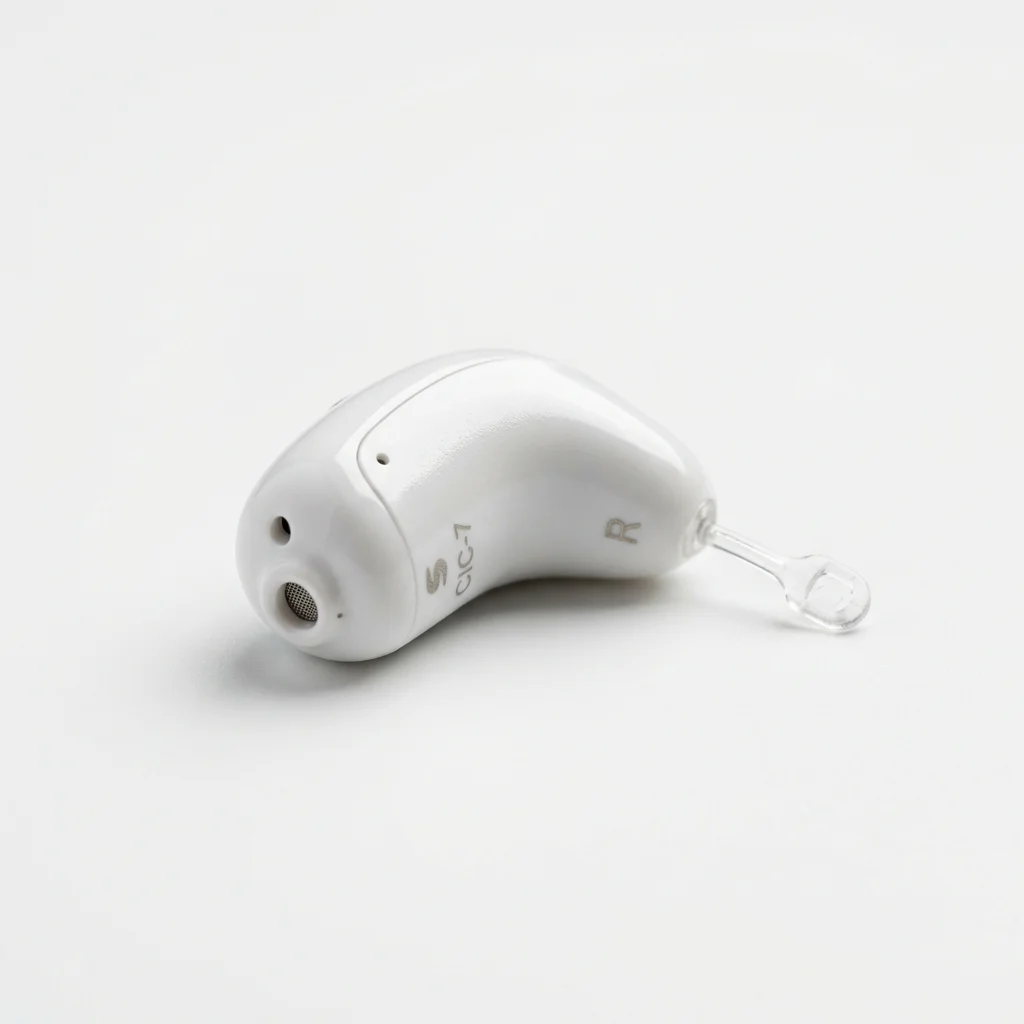
Eargo 7
Price: $1,850
Pros: Nearly invisible design (sits deep in ear canal), advanced noise reduction, FDA-cleared OTC option, comfortable for all-day wear.
Cons: Very expensive for OTC device, 16-hour battery life, requires frequent cleaning, small size difficult for seniors with dexterity issues.
Best For: Seniors prioritizing discretion and willing to pay premium prices for invisible design.
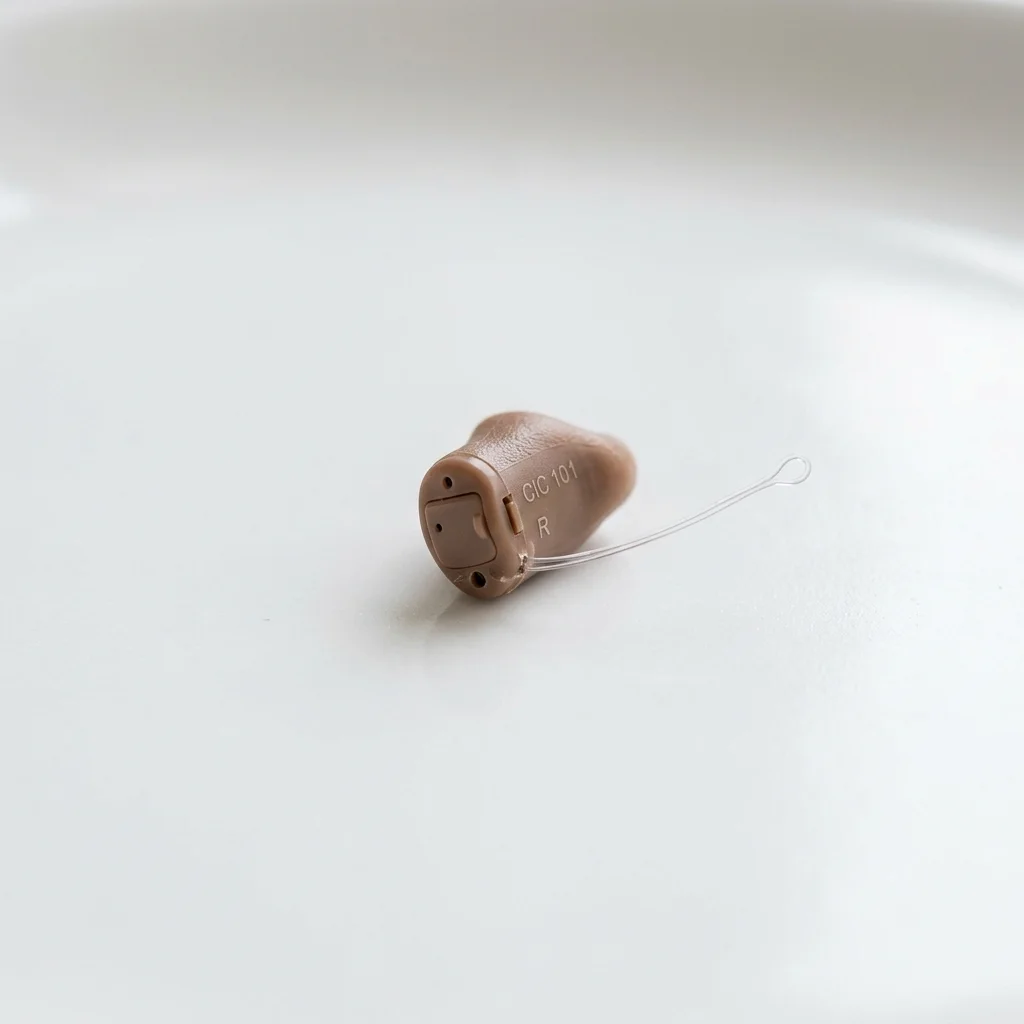
Lexie B2 Plus
Price: $999
Pros: Powered by Bose technology, excellent for first-time users, smartphone app available, remote care support included, good value at mid-range price.
Cons: Limited advanced features compared to premium brands, average 18-hour battery life, less customization available.
Best For: First-time hearing aid users seeking quality sound at mid-range pricing.
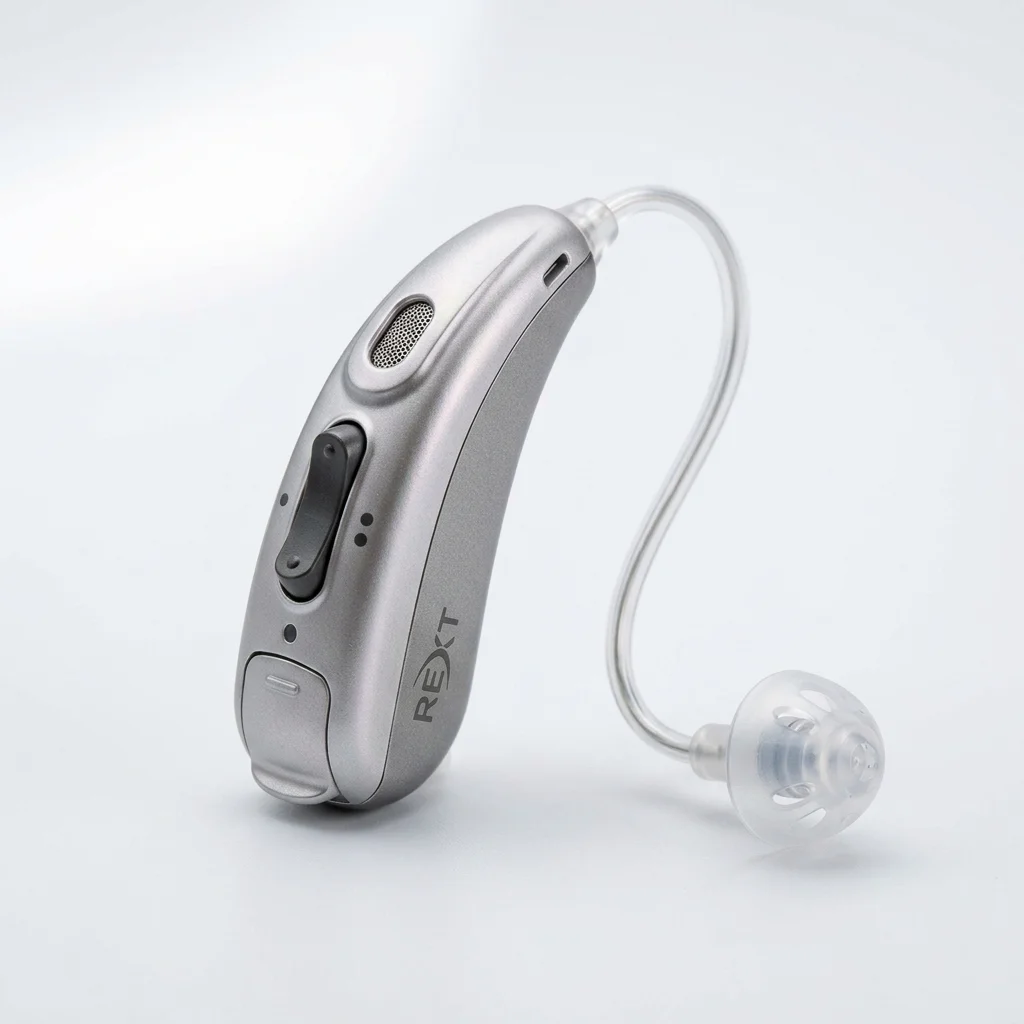
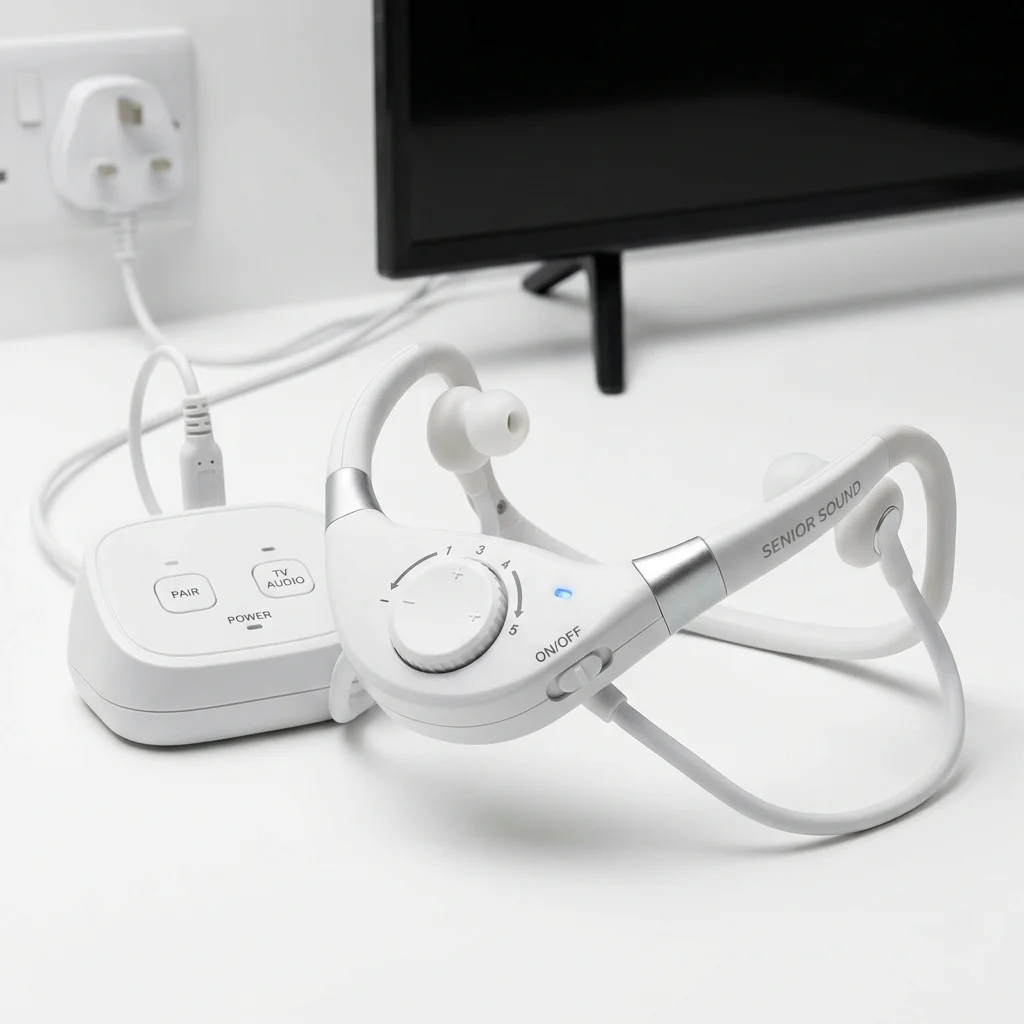
TV Ears Original
Price: $99.95
Pros: Solves TV volume issues without disturbing family members, easy setup (no audiologist needed), comfortable over-ear design, very affordable.
Cons: Only works with television, limited range from base station, not a complete hearing solution for daily life.
Best For: Seniors whose primary hearing challenge is understanding television dialogue.
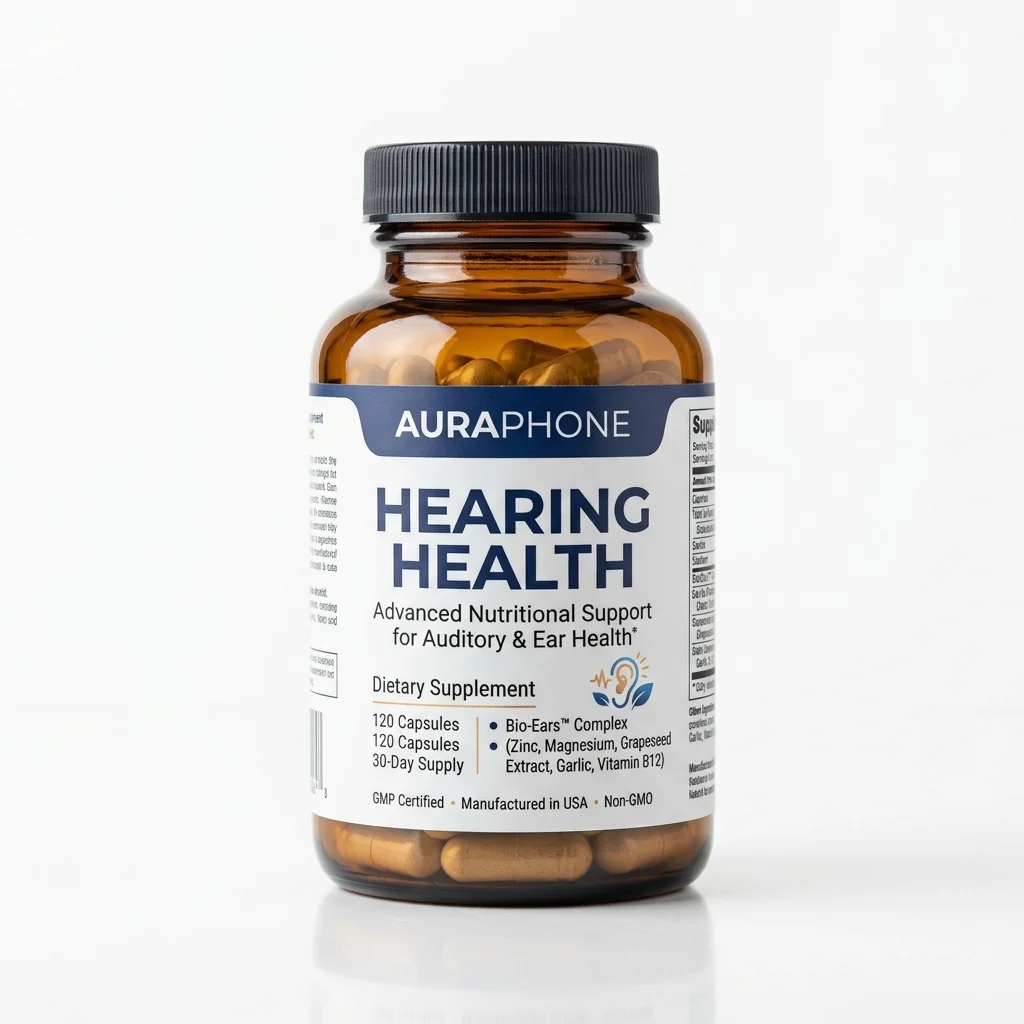
Sonus Complete
Price: $59
Pros: Natural hearing support formula, targets tinnitus symptoms, money-back guarantee, no device required.
Only available online, results vary widely among users, not FDA-cleared as hearing aid, should supplement rather than replace professional devices.
Best For: Seniors seeking supplement to hearing aids for tinnitus management (not as standalone solution).
Key Differences Explained for Seniors
Technology Philosophy
Phonak Signia: Focuses on connectivity, modern features, and smartphone integration. The philosophy is "hearing aids as smart devices"—they adapt automatically and connect seamlessly to your digital life. This appeals to seniors who embrace technology.
Oticon: Focuses on natural hearing and brain-friendly processing. The philosophy is "hearing aids that work like your brain"—they preserve natural soundscapes while enhancing speech. This appeals to seniors who want hearing aids to feel invisible and intuitive.
What This Means: Phonak Signia requires more active engagement (using apps, adjusting settings). Oticon requires less active management—it works more automatically. Choose based on your preference for control versus simplicity.
Audiologist Support and Fitting
Both brands have extensive networks of certified audiologists. However, local support matters more than brand. Choose an audiologist based on:
WHAT TO CONSIDER
- Proximity to your home (important for follow-up appointments)
- Experience with seniors and age-related hearing loss
- Willingness to spend time on proper fitting and adjustment
- Availability for follow-up care and troubleshooting
Ask your audiologist which brand they recommend for your specific hearing loss pattern. A
Disclaimer: The information provided in this article is for general informational purposes only and does not constitute medical advice. It is not intended to be a substitute for professional medical advice, diagnosis, or treatment. Always seek the advice of your physician or other qualified health provider with any questions you may have regarding a medical condition.
Related Articles



Reviewed & Fact-Checked By

Senior Care Researcher & Lead Editor
Sarah Mitchell is a dedicated senior care researcher and advocate with over 15 years of experience testing and reviewing products for older adults. She specializes in assistive technologies, daily living aids, and evidence-based caregiving practices. Full bio →
Why You Can Trust Us
🔬 Our Testing Methodology
We independently test and evaluate products based on safety, ease of use, comfort, and value. Our recommendations are built on hundreds of hours of research and hands-on analysis.
✍️ Editorial Process
Every article goes through a rigorous fact-checking process. We only cite authoritative sources like the NIH, Mayo Clinic, and CDC to ensure accurate, evidence-based information.
⚕️ Medical Review Policy
Content related to health conditions is reviewed by our network of credentialed specialists, including gerontologists and physical therapists, to ensure clinical accuracy.
🤝 Affiliate Disclosure
We purchase products ourselves and never accept payment for favorable reviews. If you buy through our links, we may earn a commission that supports our work, at no extra cost to you.