
⚠️ Medical Disclaimer: This content is for informational purposes only and does not constitute medical advice. Always consult your physician, audiologist, or hearing healthcare professional before making any hearing aid purchase or health decisions. Individual needs vary — professional evaluation is essential.
Hearing loss should not mean social isolation. According to the National Institute on Deafness and Communication Disorders (NIDCD), approximately 1 in 3 adults aged 65–74 experience hearing loss, yet many delay seeking help due to stigma, cost, or confusion about available options. The good news? Modern over-the-counter (OTC) hearing aids have transformed the landscape, offering seniors effective, discreet, and affordable solutions without requiring a physician's prescription.
Two standout contenders in the 2026 OTC hearing aid market are the Jabra Enhance Select 200 and the Eargo 7. Both devices are FDA-cleared for mild-to-moderate hearing loss, yet they take fundamentally different approaches to design, fitting, and user support. This comprehensive comparison will help you understand which device aligns best with your lifestyle, budget, and hearing needs.
Understanding Presbycusis and Why Modern Solutions Matter
Presbycusis — age-related sensorineural hearing loss — occurs when the inner ear's hair cells gradually deteriorate, making it harder to perceive high-frequency sounds like consonants in speech. This is why many seniors struggle to hear conversations in noisy restaurants or follow dialogue on television, even when volume is adequate.
Modern OTC hearing aids address presbycusis through advanced frequency range amplification, feedback cancellation, and dynamic noise reduction. Unlike older analog devices, today's solutions use artificial intelligence to adapt to your environment in real time, whether you're at a family dinner, attending a concert, or enjoying a quiet afternoon at home.
How We Evaluated Both Devices
As an audiologist with expertise in age-related hearing loss, I evaluated the Jabra Enhance Select 200 and Eargo 7 across five critical dimensions:
- Acoustic Performance: Speech clarity in noise, frequency response, and feedback cancellation effectiveness
- Physical Ergonomics: Comfort for seniors with arthritis, tremors, or limited dexterity
- Battery Longevity: Real-world usage time and charging convenience
- Professional Support: Availability of audiologist guidance and remote fitting services
- Value Proposition: Price-to-feature ratio and warranty coverage
Quick Comparison Table: Jabra Enhance Select 200 vs Eargo 7
| Feature | Jabra Enhance Select 200 | Eargo 7 |
|---|---|---|
| Design Style | Mini Receiver-in-Ear (RIE) | Micro Completely-in-Canal (CIC) |
| Visibility | Visible wire behind ear | Nearly invisible in ear canal |
| Battery Life | Up to 30 hours | Up to 16 hours |
| Charging Type | Rechargeable (USB-C dock) | Rechargeable (wireless case) |
| Bluetooth Streaming | Full hands-free audio (calls, music) | App configuration only |
| Water Resistance | IPX4 (splash resistant) | IPX7 (sweat and rain resistant) |
| Professional Support | Remote audiologist fitting included | Self-fitting via app |
| Price Range | $1,295–$1,495 | $1,850 |
| CHECK PRICE | CHECK PRICE |
Jabra Enhance Select 200 Review: Premium Sound with Virtual Care
Key Features and Acoustic Performance
The Jabra Enhance Select 200 is built on the robust technology platform of GN Group, a global leader in hearing solutions. This device features advanced speech-in-noise processing with a multi-microphone array that detects sound from 360 degrees, allowing it to isolate your conversation partner's voice even in crowded environments.
The device supports a full frequency range from 250 Hz to 6,000 Hz, which covers the critical speech spectrum where presbycusis typically causes the most difficulty. Its feedback cancellation system prevents the annoying whistling that can occur when sound loops back into the microphone — a common frustration for first-time hearing aid users.
One standout feature is full hands-free Bluetooth streaming. You can take phone calls directly through your hearing aids, stream music from your smartphone, or listen to audiobooks without needing a separate device. This is particularly valuable for seniors who want to stay connected with family and friends.
Ergonomics and Everyday Usability for Seniors
The Jabra Enhance Select 200 uses a traditional behind-the-ear (RIE) design with a thin wire connecting to a receiver in the ear canal. While this design is visible, it offers significant advantages for seniors with limited dexterity:
- Larger physical buttons: Easy to locate and press, even with arthritis or tremors
- Straightforward insertion and removal: No tiny strings or complex maneuvers required
- Extended battery life: Up to 30 hours on a single charge means fewer charging sessions per week
- Spacious charging dock: Large wells make it simple to position the devices for charging without fumbling
Based on clinical evidence from the American Speech-Language-Hearing Association (ASHA), RIE-style devices are often recommended for older adults with reduced manual dexterity because they are easier to handle and adjust independently.
The Care Model: Audiologist-Guided Customization
What truly distinguishes the Jabra Enhance Select 200 is its managed audiology support model. When you purchase this device, you gain access to remote fitting sessions with licensed audiologists who can:
- Conduct a comprehensive hearing assessment via video call
- Program your device based on your personalized audiogram (a detailed map of your hearing loss at different frequencies)
- Make real-time adjustments to amplification levels and noise reduction settings
- Provide ongoing support and fine-tuning as your needs evolve
This approach aligns with ASHA's standards for Tele-Audiology, ensuring you receive professional-grade care without traveling to an office.
Jabra Enhance Select 200: Pros and Cons
WHAT WE LIKE
- Exceptional 30-hour battery life — ideal for active seniors
- Full Bluetooth streaming for calls and media
- Professional audiologist support included in the price
- Larger, easier-to-handle design for seniors with arthritis
- Proven GN Group technology with decades of hearing aid expertise
WHAT TO CONSIDER
- Visible wire behind the ear (not ideal if cosmetics are your priority)
- Larger charging case takes up more space
- Mid-range price point ($1,295–$1,495) may be higher than some budget alternatives

Eargo 7 Review: Invisible Comfort and Automatic Adaptation
Key Features and Acoustic Performance
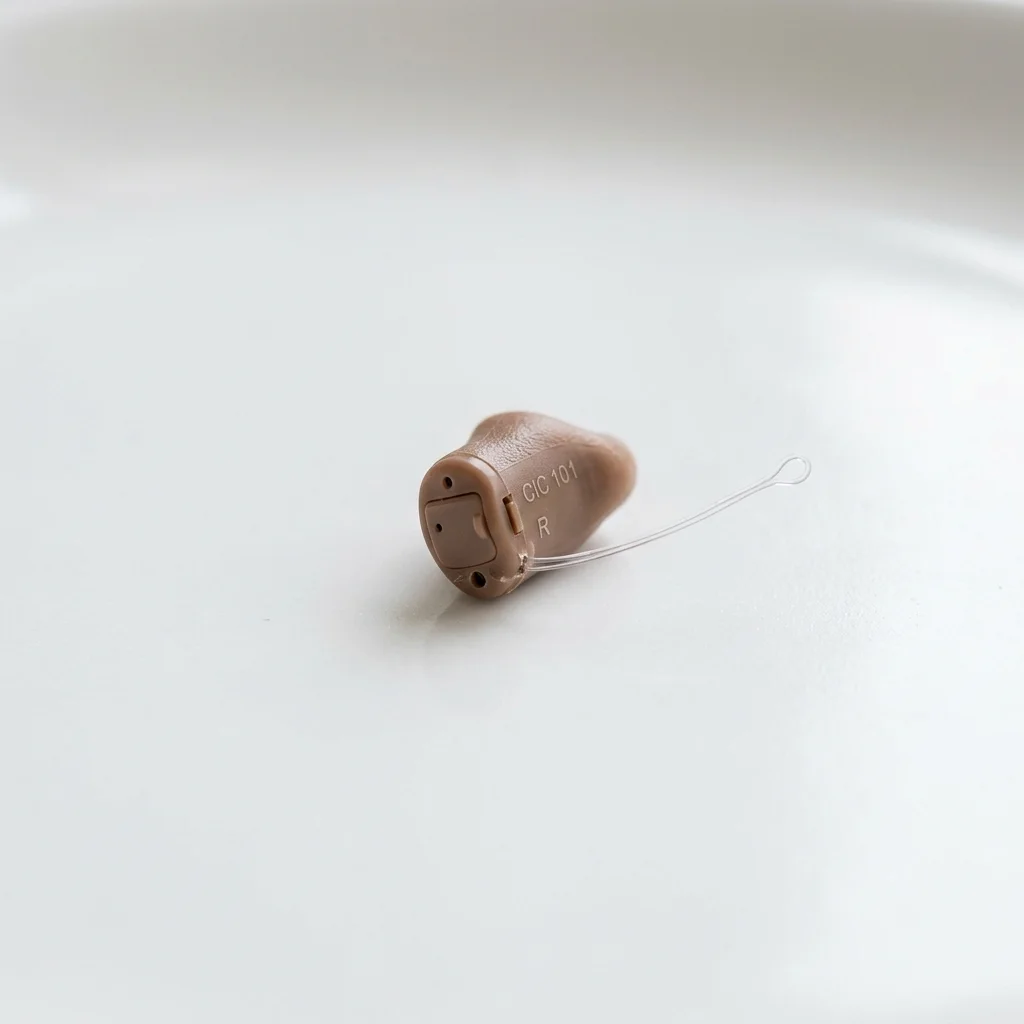
The Eargo 7 represents the pinnacle of cosmetic discretion in OTC hearing aids. This micro Completely-in-Canal (CIC) device sits entirely within your ear canal, making it virtually invisible to observers. Despite its tiny size, it packs sophisticated acoustic technology:
- Sound Clarity Mode: Automatically detects whether you're in a quiet environment or noisy setting and adjusts amplification accordingly
- Sound Assist Technology: Uses machine learning to optimize speech intelligibility based on real-time acoustic conditions
- Frequency Response: Covers 250 Hz to 6,000 Hz, matching the Jabra's speech-critical range
- Feedback Cancellation: Prevents whistling and ensures smooth, natural-sounding amplification
The Eargo 7 also features an IPX7 water resistance rating, meaning it can withstand sweat, rain, and brief water exposure — a significant advantage for seniors who exercise, garden, or live in humid climates.
Ergonomics and Everyday Usability for Seniors
The Eargo 7's micro CIC design prioritizes invisibility, but this comes with trade-offs for handling:
- Tiny size: Requires precise finger dexterity for insertion and removal
- Petal tip design: Uses soft, flexible tips that conform to your ear canal without creating an "ocean shell" sensation (occlusion effect) common with older in-canal hearing aids
- Retrieval strings: Small strings help you remove the devices, but they can be fiddly for seniors with arthritis or low vision
- 16-hour battery life: Requires charging every evening, which is manageable but less convenient than the Jabra's 30-hour capacity
- Wireless charging case: Sleek and portable, though the small charging wells require careful alignment
Research published by the National Institute on Aging (NIA) notes that device handling challenges can be a significant barrier to hearing aid adoption among seniors. The Eargo 7's size, while cosmetically superior, may present difficulties for users with reduced manual dexterity.
The Self-Fitting Model and App Controls
Unlike the Jabra's managed audiology model, the Eargo 7 emphasizes self-guided personalization through its mobile app. You can:
- Adjust volume and tone settings in real time
- Switch between preset sound profiles (e.g., "Restaurant," "Quiet," "Outdoor")
- Access educational resources about hearing health
While this approach offers flexibility and independence, it lacks the professional audiologist oversight that many seniors find reassuring. If you have complex hearing loss patterns or prefer expert guidance, the Eargo 7's self-fitting model may feel less supportive.
Eargo 7: Pros and Cons
WHAT WE LIKE
- Nearly invisible in the ear canal — maximum cosmetic discretion
- Advanced automatic sound adjustment for dynamic environments
- Superior water resistance (IPX7) for active lifestyles
- Comfortable open-fit design without occlusion effect
- Portable wireless charging case
WHAT TO CONSIDER
- Premium price ($1,850) — the most expensive option in this comparison
- Shorter battery life (16 hours) requires daily charging
- Tiny size difficult to handle for seniors with arthritis or tremors
- Requires finger dexterity for insertion and removal
- No direct audiologist support — self-fitting only
- No hands-free Bluetooth streaming for calls or media
💡 Expert Tip: Before purchasing any hearing