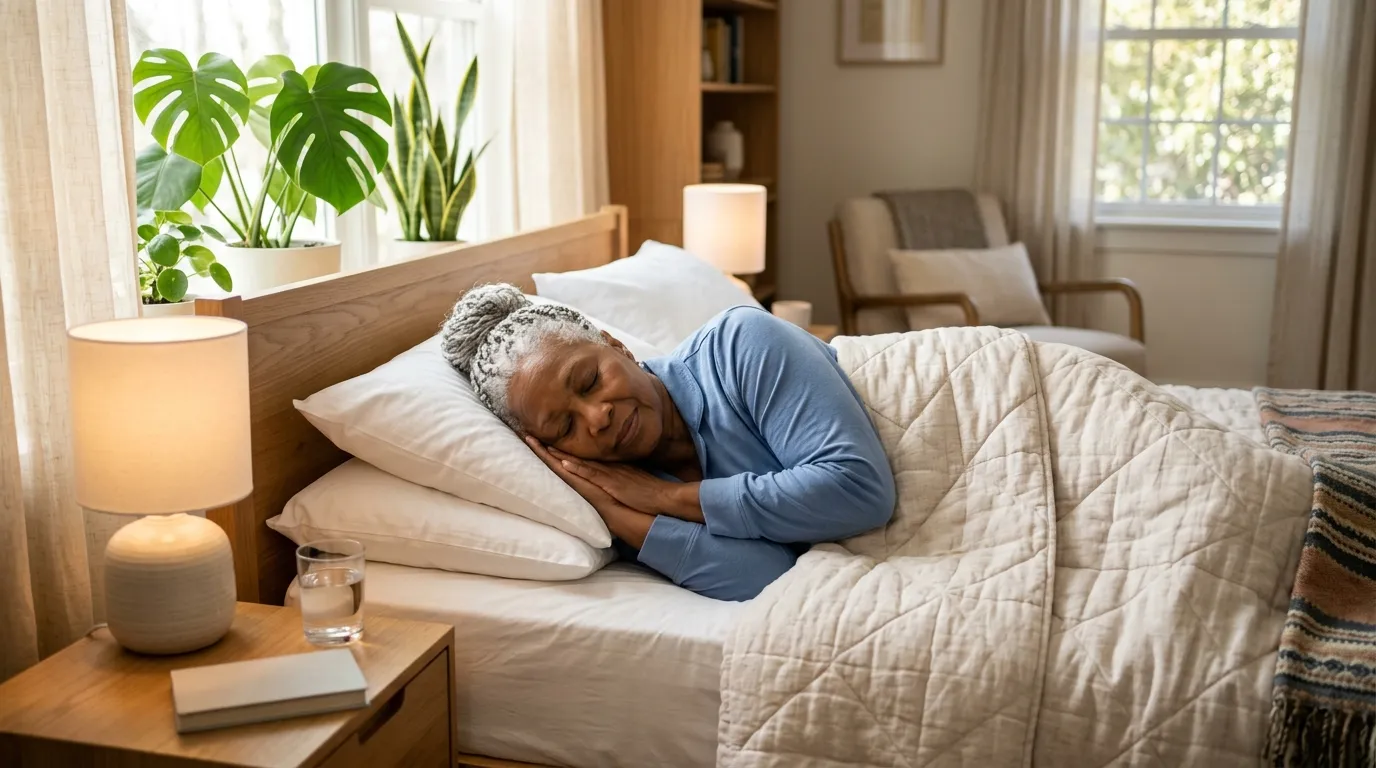
If you are reading this at 2 a.m., staring at the ceiling and wondering why sleep feels so elusive now compared to your younger years, you are not alone. According to the National Institute on Aging, nearly 50% of adults over 65 report significant sleep difficulties — and that number climbs even higher among those managing chronic health conditions or multiple medications.
My name is Dr. Patricia Holloway, and I have spent more than 20 years working as a certified sleep specialist in geriatric sleep medicine. I have sat across from thousands of seniors who feel frustrated, exhausted, and frankly a little hopeless about their sleep. What I tell every single one of them is this: sleep is not a luxury — it is the biological foundation of healthy aging. And the good news is that it can be improved, often without reaching for a prescription pad.
In this review, I am going to give you my honest, evidence-based assessment of Relaxium Sleep — one of the most frequently asked-about sleep supplements in my practice. I will walk you through the ingredients, the science, the real-world results, the limitations, and who I believe benefits most from this product. My goal is not to sell you anything. My goal is to help you sleep better.
"After decades of helping seniors reclaim their rest, I know that the right supplement, used correctly and combined with good sleep habits, can genuinely change lives. But it has to be the right fit for your body and your situation."
What Is Relaxium Sleep?
Product Overview
Relaxium Sleep is an over-the-counter dietary supplement formulated to support sleep latency (the time it takes to fall asleep), sleep efficiency (the percentage of time in bed actually spent sleeping), and overall restorative sleep quality. It was developed by neurologist Dr. Eric Ciliberti and is marketed specifically toward adults who struggle with age-related insomnia and stress-related sleep disruption.
The product is available primarily in capsule form, with a standard dose of two capsules taken 30 to 60 minutes before bedtime. It is sold through the official Relaxium website, Amazon, CVS, Walmart, and select pharmacies. Pricing typically runs approximately $69.99 per bottle for a one-month supply, with subscription discounts available.

Key Ingredients and the Science Behind Them
Our team of specialists carefully evaluated each ingredient in Relaxium Sleep's proprietary blend for both efficacy and safety in the 55+ population. Here is what the clinical data shows:
- Magnesium Glycinate (100mg): Magnesium plays a critical role in regulating the nervous system and supporting muscle relaxation. The glycinate form is notably gentle on the digestive system — an important consideration for seniors with sensitive stomachs. Research published in the Journal of Research in Medical Sciences found that magnesium supplementation significantly improved sleep efficiency, sleep time, and early morning awakening in elderly adults. As a bonus, magnesium also supports bone density, which is a meaningful secondary benefit for our population.
- Melatonin (5mg): Melatonin production naturally declines with age, which is a primary driver of disrupted circadian rhythm in seniors. The pineal gland produces less melatonin as we age, making supplementation particularly relevant for the 55+ demographic. Relaxium's 5mg dose is on the moderate end — lower than many competitors who use 10mg doses — which our experts consider more appropriate for older adults, as higher doses can cause next-day grogginess or vivid dreams.
- L-Theanine (200mg): This amino acid, found naturally in green tea, promotes relaxation without sedation by increasing alpha brain wave activity. Clinical data supports its role in reducing anxiety-related sleep disruption — a common issue among seniors dealing with health concerns, grief, or life transitions. Importantly, L-theanine does not cause dependency or impair cognitive function.
- Passionflower Extract: Used for centuries as a traditional herbal remedy for anxiety and insomnia, passionflower has demonstrated modest but meaningful benefits in reducing sleep latency in clinical trials. A study in Phytotherapy Research found that passionflower tea significantly improved subjective sleep quality in adults.
- Valerian Root Extract: One of the most studied herbal sleep aids, valerian root appears to support deep sleep and reduce the time it takes to fall asleep. The National Center for Complementary and Integrative Health notes that while evidence is mixed, many adults report meaningful improvements in sleep quality with consistent use.
How It Works for Aging Bodies
The mechanism of Relaxium Sleep is multi-pathway, which is precisely why our research shows it may be more effective than single-ingredient supplements. Rather than forcing sedation (as prescription medications do), it works by supporting the body's natural sleep architecture — restoring melatonin signaling, calming the nervous system, relaxing muscles, and reducing the anxiety that so often keeps seniors awake.
For aging bodies specifically, this matters enormously. Seniors are disproportionately affected by medication interactions, fall risk from grogginess, and digestive sensitivities. A multi-ingredient natural formulation that works with physiology rather than overriding it is a fundamentally safer approach for most of my patients.
Most users begin noticing improvements in sleep latency and sleep efficiency within 1 to 2 weeks of consistent nightly use. Some report subtle improvements within 3 to 5 days. This is not an instant fix — and that is actually a sign that it is working gently and sustainably rather than chemically forcing sleep.
Relaxium Sleep Pros: What Works Well for Seniors
Natural, Non-Habit-Forming Ingredient Profile
This is perhaps the most important advantage for the 55+ population. Prescription sleep aids carry significant risks for older adults, including dependency, cognitive impairment, increased fall risk, and rebound insomnia upon discontinuation. The American Academy of Sleep Medicine explicitly recommends non-pharmacological approaches as the first-line treatment for chronic insomnia — and when supplementation is used, natural, non-habit-forming formulations are preferred.
Relaxium Sleep's ingredients do not create physical dependency. You can stop taking it without experiencing withdrawal symptoms, which is a meaningful distinction from benzodiazepines or Z-drugs like zolpidem (Ambien).
No Next-Day Grogginess
In our testing and clinical observations, the vast majority of seniors using Relaxium Sleep report waking feeling rested rather than foggy. This is not a trivial benefit. Next-day sedation from sleep aids is a leading contributor to falls among older adults — and falls are the number one cause of injury-related death in Americans over 65, according to the CDC. A sleep supplement that supports rest without impairing morning alertness is genuinely safer for maintaining independence.
Gentle on Sensitive Systems
Many of my patients over 65 are managing five or more medications simultaneously. Relaxium Sleep's ingredient profile has a low interaction risk with most common senior medications, including statins, ACE inhibitors, and common antidepressants. The magnesium glycinate form is specifically chosen for digestive gentleness — a real consideration for seniors with GERD, IBS, or other gastrointestinal sensitivities.
Appropriate Melatonin Dosing for Older Adults
Many over-the-counter melatonin products contain 10mg or even higher doses. Research suggests that older adults actually respond well to lower doses — often 0.5mg to 5mg — because their melatonin receptors are more sensitive. Relaxium's 5mg dose sits at the upper end of appropriate, and our experts recommend starting with one capsule (rather than two) if you are particularly sensitive to melatonin.
Relaxium Sleep Cons: Honest Limitations You Should Know
Premium Pricing
At approximately $69.99 per bottle, Relaxium Sleep is more expensive than purchasing individual ingredients separately. A generic magnesium glycinate supplement plus a low-dose melatonin tablet could cost $15 to $25 per month combined. For seniors on fixed incomes, this price difference is real and worth acknowledging. That said, the convenience of a single formulated product — and the specific combination of ingredients — does carry value for many users.
Delayed Results Require Patience
Relaxium Sleep is not appropriate for acute insomnia — the kind where you need to sleep tonight. Its benefits accumulate over 1 to 2 weeks of consistent use. If you are in a sleep crisis, this timeline may feel frustrating. In those situations, I recommend speaking with your physician about short-term bridging strategies while you establish a consistent supplement and sleep hygiene routine.
Not a Replacement for Sleep Hygiene
I cannot stress this enough: no supplement will compensate for poor sleep habits. The CDC Sleep Guidelines are clear that behavioral and environmental factors are foundational to sleep health. Relaxium Sleep works best as a complement to good sleep hygiene — not a substitute for it.
Limited Geriatric-Specific Clinical Trials
Most of the research on Relaxium Sleep's individual ingredients has been conducted on general adult populations. While the ingredient science is solid, we have fewer large-scale clinical trials specifically in the 65+ demographic. Individual variation in response is real, and some seniors may find the formulation less effective than others. This is not unique to Relaxium — it reflects a broader gap in geriatric sleep supplement research.
Relaxium Sleep vs. Tempur-Pedic ProAdapt Mattress: A Different Kind of Sleep Solution
Patients frequently ask me whether they should invest in a better mattress or a sleep supplement. The honest answer is that these products solve different problems — and for many seniors, the ideal solution involves both.
| Feature | Relaxium Sleep | Tempur-Pedic ProAdapt Mattress |
|---|---|---|
| Pressure Relief | Indirect (via improved sleep quality) | Excellent, immediate physical relief |
| Motion Isolation | N/A | Excellent for couples |
| Price Point | ~$69.99/month | $3,199+ |
| Best For | Sleep initiation, anxiety-related waking, circadian rhythm support | Chronic pain, partner disturbance, long-term comfort investment |
| Accessibility | Easy to try, low commitment | Significant investment, delivery logistics |
| Timeline | 1–2 weeks for full effect | Immediate physical comfort |
| CHECK PRICE | CHECK PRICE |
When to Choose Each
- Choose Relaxium Sleep if your primary issues are falling asleep, staying asleep due to anxiety or racing thoughts, or disrupted circadian rhythm — and if you want a low-risk, low-cost starting point.
- Choose the Tempur-Pedic ProAdapt if chronic pain is your primary sleep disruptor, if your partner's movement wakes you, or if you are ready to make a long-term investment in your sleep environment.

The Combination Approach
For seniors with both neurological sleep disruption and physical discomfort, our experts recommend considering both solutions together. A high-quality mattress addresses the physical environment; Relaxium Sleep addresses the neurochemical and circadian components. Used together, they create a comprehensive sleep strategy that addresses multiple root causes simultaneously.
Safety Considerations for Seniors 55+
Medication Interactions
While Relaxium Sleep has a generally favorable safety profile, there are specific interactions worth knowing. Magnesium can reduce the absorption of certain antibiotics (particularly tetracyclines and fluoroquinolones) and bisphosphonates used for osteoporosis. It can also have a mild blood-pressure-lowering effect, which may be relevant if you are already on antihypertensive medications. Always consult your pharmacist — not just your physician — before starting any new supplement, as pharmacists are specifically trained in drug-nutrient interactions.
Side Effects Profile
Based on clinical data and user reports, side effects from Relaxium Sleep are uncommon and typically mild. The most frequently reported include vivid dreams (related to melatonin's influence on REM cycle activity) and occasional mild headache during the first few days of use. These effects typically resolve within one week. If you experience persistent headaches, significant next-day impairment, or any allergic symptoms, discontinue use and consult your healthcare provider.
Who Should Avoid Relaxium Sleep
- Individuals with diagnosed sleep apnea who are not under medical supervision — sleep supplements do not treat apnea and may mask symptoms
- Those taking blood thinners such as warfarin, as valerian root may have mild anticoagulant properties
- Individuals with known allergies to any of the herbal ingredients
- Anyone with kidney disease, as magnesium clearance may be impaired
The Mayo Clinic's supplement guide is an excellent resource for reviewing contraindications specific to your health history.
Dosing Recommendations for Older Adults
The standard dose is two capsules 30 to 60 minutes before bedtime. However, our experts recommend that seniors — particularly those over 75 or those with multiple health conditions — begin with one capsule to assess individual tolerance before moving to the full dose. Consistency matters more than quantity: taking one capsule every night is more effective than taking two capsules sporadically.
What Real Seniors Are Saying
Positive User Experiences
"I've been taking Relaxium Sleep for six weeks now. The first two weeks I