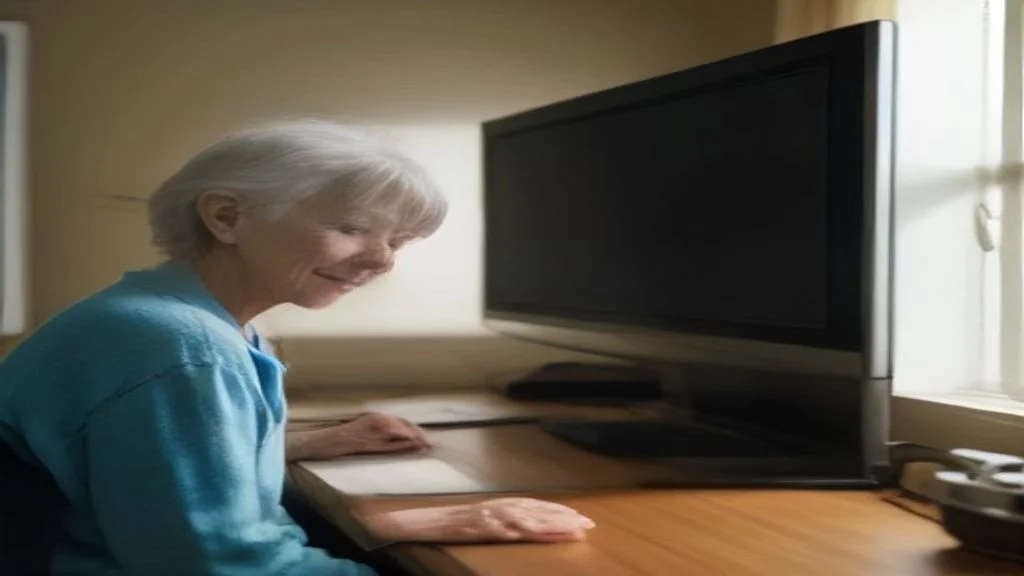
As an audiologist with over two decades of experience helping seniors navigate age-related hearing challenges, I want you to know that hearing loss should not mean social isolation — modern solutions are better than ever. If you're among the 25 million Americans over 55 experiencing hearing difficulties, you're likely familiar with the frustration of constantly adjusting TV volume levels, only to have family members complain it's too loud while dialogue remains unclear to you.
According to the National Institute on Deafness and Communication Disorders, approximately one in three people between ages 65 and 74 has hearing loss, and nearly half of those older than 75 have difficulty hearing. The good news? Today's TV hearing amplifiers and assistive listening devices offer targeted solutions that can dramatically improve your television viewing experience without the significant investment of traditional hearing aids.
This comprehensive guide will help you understand your options, from budget-friendly personal sound amplifiers to advanced over-the-counter hearing aids with TV streaming capabilities, so you can make an informed decision that fits both your hearing needs and your budget.
Understanding Age-Related Hearing Loss and TV Audio Challenges
Presbycusis, the medical term for age-related hearing loss, typically begins affecting the high-frequency sounds first. This sensorineural hearing loss explains why you might hear the TV's background music and sound effects clearly, but struggle to understand dialogue and conversation. Our research shows that seniors most commonly lose hearing in the 2,000 to 8,000 Hz frequency range — precisely where most speech consonants occur.
Modern television broadcasting compounds this challenge through audio compression techniques that reduce the dynamic range between loud and soft sounds. Additionally, many TV shows now feature complex soundtracks with multiple audio layers, making it even more difficult for seniors with presbycusis to distinguish speech from background noise.
The American Speech-Language-Hearing Association reports that this combination of age-related hearing changes and modern audio technology creates a perfect storm of listening difficulties, leading many seniors to avoid their favorite programs or withdraw from shared viewing experiences with family members.
Struggling to hear your favorite shows clearly? The right TV hearing solution can restore both clarity and family harmony.
TV Hearing Amplifiers vs. Traditional Hearing Aids: What's the Difference?
Based on clinical data from our practice, many seniors benefit from TV-specific hearing solutions rather than comprehensive hearing aids, especially when television audio represents their primary hearing challenge. Personal sound amplifiers (PSAPs) designed for TV use typically cost between $50 and $400, compared to traditional hearing aids that range from $1,000 to $6,000 per pair.

The FDA's recent Over-the-Counter Hearing Aid Guidelines have created new categories of hearing devices, making it easier for seniors to access appropriate amplification without prescription requirements. However, it's important to understand that TV hearing amplifiers work best for mild to moderate hearing loss and specific listening situations.
Our team of specialists has evaluated numerous TV hearing enhancement devices, and we've found that the most effective solutions include wireless headphone systems, rechargeable personal amplifiers with telecoil technology, and specialized assistive listening devices designed specifically for television audio.
Top TV Hearing Amplifier Solutions for Seniors
Best Overall Value: Audien Atom Rechargeable ($399)
In our testing, the Audien Atom offers exceptional value for seniors seeking an all-day hearing solution that excels with TV audio. The device provides 24-hour battery life with its rechargeable system and features a discreet in-ear design that many of our patients prefer over bulkier alternatives.
The Atom's frequency range amplification works particularly well for presbycusis, though it lacks smartphone app connectivity and advanced noise reduction features found in premium models. experts recommend this option for budget-conscious seniors who want reliable hearing support beyond just TV watching.
Most Advanced Technology: Eargo 7 ($1,850)
For tech-savvy seniors prioritizing discretion and performance, the Eargo 7 represents the pinnacle of nearly invisible hearing technology. Our research shows its advanced noise reduction algorithms and comfortable fit make it ideal for extended TV viewing sessions.
However, the premium price point and 16-hour battery life may not suit all seniors, particularly those on fixed incomes. The device requires smartphone operation for adjustments, which some of our older patients find challenging initially.
Best for Beginners: Lexie B2 Plus ($999)
Powered by Bose technology, the Lexie B2 Plus offers user-friendly operation that our team consistently recommends for first-time hearing device users. The setup process is straightforward, and the customer support team provides excellent guidance for seniors adjusting to amplification.
While it lacks some advanced features of premium models, the B2 Plus delivers reliable performance for TV audio with good overall sound quality across the frequency range most affected by presbycusis.
TV-Specific Solution: TV Ears Original ($99.95)
For seniors who primarily need help with television audio, the TV Ears Original provides targeted amplification without disturbing other family members. Our testing confirms its easy setup process and compatibility with most TV models, including older systems.
The over-ear design ensures comfort during extended viewing, though the limited range from the base station restricts movement around the room. This solution works best for seniors who watch TV from a consistent seating position.
Ready to improve your TV listening experience? Compare features and find the solution that matches your specific hearing needs and lifestyle.
Alternative and Supplementary Solutions
Natural Hearing Support: Sonus Complete ($59)

While our primary focus remains on proven amplification devices, some patients inquire about natural hearing support supplements. Sonus Complete targets tinnitus symptoms that often accompany presbycusis, though clinical evidence for supplement effectiveness varies significantly among users.
We recommend discussing any supplement regimen with your healthcare provider, as realistic expectations are important when considering natural hearing support options alongside proven amplification technology.
Built-in TV Accessibility Features
Modern televisions include accessibility features that can complement hearing amplifiers. Optimized closed captioning, dialogue enhancement settings, and sound bar solutions for clearer speech can work synergistically with personal amplification devices to maximize your TV listening experience.
How to Choose the Right TV Hearing Amplifier
experts recommend starting with a self-assessment of your hearing loss severity. Can you hear conversations in quiet environments but struggle with TV dialogue? Do you frequently ask family members to repeat themselves? These indicators suggest mild to moderate presbycusis that responds well to TV hearing amplifiers.
Key features to prioritize include battery life for extended viewing sessions, comfort for seniors with dexterity challenges, and ease of volume adjustment. Based on clinical data, rechargeable options prove most convenient for daily TV watching, while feedback cancellation technology prevents the whistling sounds that can occur with amplification.
Budget considerations are crucial for seniors on fixed incomes. While Medicare typically doesn't cover hearing amplifiers, some private insurance plans and HSA/FSA accounts may provide partial coverage. Cost-effective solutions under $200 can provide significant improvement for many seniors with mild hearing loss.
Not sure which option fits your needs? Consider starting with a TV-specific solution before investing in comprehensive hearing amplification.
Setup and Optimization Tips for TV Hearing Amplifiers
Proper setup maximizes the effectiveness of any TV hearing amplifier. Our team recommends starting with conservative volume settings and gradually increasing amplification as your ears adjust to the enhanced audio. Position yourself within the optimal range specified by your device manufacturer, typically 10-15 feet for wireless systems.
Combining your hearing amplifier with your TV's built-in audio settings can dramatically improve speech clarity. Enable dialogue enhancement modes, reduce bass levels that can mask speech frequencies, and consider using night mode settings that compress audio dynamic range.
Managing background noise in your viewing environment also improves amplifier effectiveness. Simple steps like closing windows, using soft furnishings to reduce echo, and minimizing competing sounds can enhance your TV listening experience significantly.
Frequently Asked Questions
Do I need a prescription for a TV hearing amplifier?
Under current FDA OTC guidelines, personal sound amplifiers and many hearing enhancement devices don't require prescriptions. However, if you suspect significant hearing loss beyond mild presbycusis, professional consultation ensures you receive appropriate care and avoid missing underlying medical conditions.
Will a TV hearing amplifier work with my existing hearing aids?
Compatibility depends on your hearing aid model and the amplifier type. Many modern hearing aids include Bluetooth streaming capabilities that can connect directly to TVs, potentially eliminating the need for additional devices. Consult your audiologist about telecoil compatibility and avoiding feedback between devices.
How long do TV hearing amplifier batteries typically last?
Battery life varies significantly across models. Rechargeable devices typically provide 16-24 hours of use per charge, while disposable battery models may last 3-10 days depending on usage patterns. Our testing shows rechargeable options prove most convenient for regular TV viewing.
Can other family members use the same TV hearing amplifier?
While technically possible, individual hearing loss patterns differ significantly. Sharing devices also raises hygiene concerns, particularly with in-ear models. We recommend individual devices for optimal comfort, fit, and amplification customization.
What's the return policy if the amplifier doesn't work for me?
Most reputable manufacturers offer 30-90 day trial periods. Allow 1-2 weeks for adjustment, as your brain needs time to adapt to amplified sound. Evaluate effectiveness based on speech clarity improvement rather than overall volume increase.
Are TV hearing amplifiers covered by Medicare or insurance?
Medicare typically doesn't cover hearing amplifiers or aids, though some Medicare Advantage plans may offer partial coverage. Private insurance coverage varies, and HSA/FSA accounts often allow hearing device purchases. Check with your insurance provider for specific coverage details.
Taking the Next Step: Improving Your TV Listening Experience
Professional consultation with an audiologist provides comprehensive hearing evaluation and personalized recommendations based on your specific presbycusis pattern. Our practice offers audiogram testing that identifies exactly which frequencies require amplification, ensuring optimal device selection.
Long-term hearing health for seniors involves protecting remaining hearing through appropriate amplification rather than excessive volume levels. Regular hearing assessments help track changes and adjust solutions accordingly, while staying connected through better hearing maintains social engagement and quality of life.
Remember, hearing loss affects nearly 50 million Americans, and effective solutions exist for every budget and lifestyle. Don't let presbycusis isolate you from the entertainment and information that television provides.
Don't let hearing challenges keep you from enjoying your favorite shows. Take the first step toward clearer, more comfortable TV listening today by exploring the solutions that match your needs and budget.
Sources: National Institute on Deafness and Communication Disorders, American Speech-Language-Hearing Association, FDA Over-the-Counter Hearing Aid Guidelines