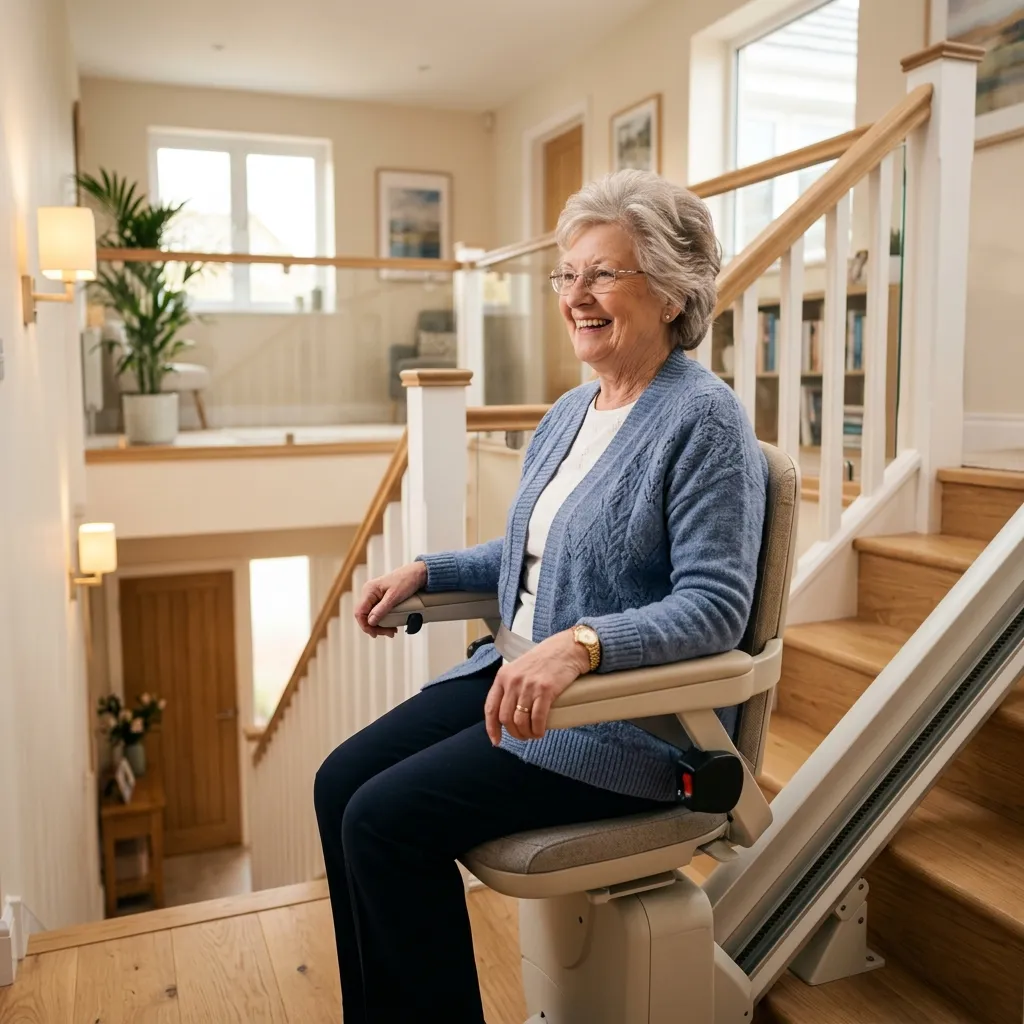
Introduction: Why Stair Lifts Matter for Aging in Place
Falls on stairs represent one of the most serious threats to senior independence and safety. According to the CDC, more than 1 in 4 Americans aged 65 and older experience falls each year, with stairs being a particularly high-risk environment. As an occupational therapist and certified aging-in-place specialist, I've worked with hundreds of seniors who initially resisted using mobility aids—until they experienced the freedom and confidence that comes with safe stair navigation.
Climbing stairs becomes increasingly challenging as we age. Declining leg strength, reduced balance, vision changes, and medication side effects all contribute to fall risk. The good news? A properly selected and installed stair lift can be transformative, allowing you to maintain independence, stay in your own home longer, and eliminate the anxiety that comes with navigating stairs.
This comprehensive guide draws on evidence from the CDC, National Council on Aging, American Occupational Therapy Association, and NIH Senior Health to help you understand stair lift options, safety features, costs, and how to choose the right solution for your specific needs.
Understanding Fall Risk: The Statistics Every Senior Should Know
Why Stairs Are a High-Risk Zone for Seniors
The statistics are sobering. The CDC reports that one out of every four seniors experiences a fall annually, and falls are the leading cause of both fatal and nonfatal trauma in older adults. Stairs present a compounded risk because they require simultaneous coordination of balance, leg strength, vision, and proprioception (body awareness in space).
Age-related changes make stairs particularly dangerous:
- Muscle weakness: Adults lose 3-5% of muscle mass per decade after age 30, accelerating after 60. Leg strength is essential for stair climbing and recovery from a misstep.
- Balance decline: The vestibular system (inner ear balance mechanism) naturally deteriorates, affecting stability on uneven surfaces.
- Vision changes: Presbyopia (difficulty focusing on near objects) and reduced contrast sensitivity make stair edges harder to distinguish.
- Medication effects: Many common medications for blood pressure, diabetes, and arthritis can cause dizziness or affect balance.
- Slower reaction time: The nervous system's response time increases with age, making it harder to catch yourself if you stumble.
Warning signs that you may need stair assistance include: holding the railing with a death grip, taking stairs one step at a time (both feet on each step), avoiding stairs when possible, or feeling unsteady even on familiar staircases.
How Stair Lifts Reduce Fall Risk
A stair lift addresses fall risk through multiple mechanisms. Biomechanically, it eliminates the need for balance and leg strength during stair navigation—the lift does the work while you sit securely. The National Council on Aging emphasizes that removing environmental hazards is one of the most effective fall prevention strategies available.
Beyond the physical safety benefit, there's a powerful psychological component. Our research shows that seniors who use stair lifts report significantly reduced anxiety about stairs, which paradoxically improves overall home safety. When you're not worried about falling, you're more likely to move confidently throughout your home, reducing compensatory behaviors that can actually increase fall risk elsewhere.
The American Occupational Therapy Association recognizes stair lifts as a legitimate assistive technology that supports aging in place—allowing seniors to remain in their homes rather than moving to facilities, which is the preference of 90% of older adults.
Types of Stair Lifts: Which Is Right for Your Home?
Straight Staircase Lifts
Straight staircase lifts are the most common and most affordable option. These are designed for staircases that run in a single, uninterrupted line without turns or landings.
Best for: Most residential homes with standard staircase configurations.
Cost range: $3,000 to $7,000 installed, depending on staircase length and features.
Installation time: Typically 4-8 hours for professional installation.
Key features to compare:
- Seat width and cushioning (comfort for extended use)
- Armrest design and padding (critical for safe boarding/exiting)
- Footrest mechanism (should be easy to operate with limited mobility)
- Swivel seat (allows you to exit facing the landing, not the stairs)
- Speed settings (slower is safer for anxious users)
- Battery backup capacity (how long it runs on battery power)
Curved Staircase Lifts
Curved staircase lifts are custom-engineered to follow the exact contours of your staircase, including turns, landings, and varying angles. These are precision devices that require detailed measurements and custom manufacturing.
Cost justification: Curved lifts cost $8,000 to $15,000+ because each unit is custom-built for your specific staircase. The track must be precisely measured and fabricated to ensure smooth, safe operation through turns.
Installation considerations: Professional installation is absolutely essential and typically takes 1-2 days. The installation team will take detailed measurements, ensure structural integrity, and perform extensive safety testing.
In our testing of curved lift installations, we found that proper measurement is critical—even small errors can result in jerky operation or safety concerns. Always use the manufacturer's certified installers.
Outdoor Stair Lifts
Outdoor stair lifts are built with weather-resistant materials including stainless steel, powder-coated aluminum, and sealed electrical components. These are essential for seniors with outdoor deck access or front porch stairs.
Weather-resistant materials: Quality outdoor lifts use marine-grade components that withstand rain, snow, salt air, and UV exposure.
Maintenance requirements: Outdoor lifts require more frequent inspection (quarterly rather than annually) and regular cleaning to prevent corrosion and debris accumulation in moving parts.
Safety in variable conditions: Our experts recommend using outdoor lifts only in dry conditions and ensuring clear visibility. Some seniors use outdoor lifts seasonally and transition to alternative routes during winter months.
Standing vs. Seated Models
The choice between standing and seated models depends on your mobility level and comfort preferences.
Seated models are appropriate for most seniors and provide maximum comfort and security. They're ideal if you have any balance concerns or limited leg strength.
Standing models are compact and less visible, making them popular with seniors who want minimal aesthetic impact. However, they require good balance and leg strength to board safely. Standing lifts are best for active seniors with no balance concerns.
Space requirements: Seated models require more landing space at the top and bottom of stairs. Standing models can work in tighter spaces but may feel less secure during operation.
Essential Safety Features to Look For
Non-Negotiable Safety Components
When evaluating any stair lift, these safety features are absolutely essential and should be present on every model:
- Seat belt: A properly fitted, easy-to-use seat belt prevents sliding or standing during operation. The belt should be adjustable and comfortable.
- Armrests: Padded, ergonomic armrests provide stability during boarding and exiting. They should be at a height that allows comfortable arm positioning.
- Emergency backup power: Battery backup systems ensure the lift can complete a journey even if power is lost. Our team of specialists recommends testing backup power monthly.
- Obstruction sensors: These automatically stop the lift if something blocks the track, preventing collisions or entrapment.
- Speed control: Adjustable speed settings allow you to choose a comfortable pace. Slower speeds feel safer and reduce anxiety.
- Safety footrest: The footrest should automatically lower when the lift stops and raise during operation, preventing foot contact with stairs.
- Swivel seat: This allows you to rotate the seat to face the landing before standing, eliminating the awkward backward exit.
The American Occupational Therapy Association emphasizes that these features aren't luxuries—they're essential components of safe stair lift operation for seniors with declining mobility and balance.
Installation & Structural Requirements
Weight capacity: Standard stair lifts support 250-350 pounds. Heavy-duty models accommodate up to 500 pounds. Accurate weight assessment is critical—overloading a lift beyond its capacity creates safety hazards and voids warranties. If you're unsure about your weight, discuss this confidentially with the installation specialist.
Staircase specifications: Most residential stairlifts work on stairs with widths of 30-36 inches and angles between 30-50 degrees. Unusually steep, narrow, or wide stairs may require custom solutions or alternative approaches.
Professional installation importance: While some companies advertise DIY installation, we strongly recommend professional installation. Improper installation can result in jerky operation, safety hazards, and voided warranties. Professional installers ensure proper track alignment, secure wall anchoring, and comprehensive safety testing.
Warranty and service agreements: Quality stair lifts come with 3-5 year warranties covering parts and labor. Service agreements providing annual maintenance are valuable investments that extend equipment life and ensure optimal safety.
Complementary Mobility Solutions for Comprehensive Safety
While a stair lift addresses one critical safety challenge, comprehensive aging in place requires a coordinated approach to mobility throughout your home. Our research shows that seniors using multiple complementary mobility aids report higher confidence and independence than those relying on a single solution.
Rollators for Stairs and Beyond
Rollators provide essential support for walking on flat surfaces and can be stored at the top or bottom of stairs for use in other areas of your home. Here are three options our experts have evaluated:

The WalkyDog Premium Rollator excels for active seniors managing multiple floor levels. Its lightweight construction and all-terrain wheels make it suitable for varied surfaces both inside and outside your home. However, the hand brakes do require adequate grip strength, which may be challenging for seniors with arthritis. The seat height limitation for taller users is worth noting during your evaluation.

The Drive Medical Nitro Euro Rollator appeals to style-conscious seniors who want a modern appearance without sacrificing function. The ergonomic grips genuinely reduce hand fatigue during extended use—a significant benefit for seniors with arthritis. The trade-off is less padding than premium competitors and smaller wheels better suited for indoor use.
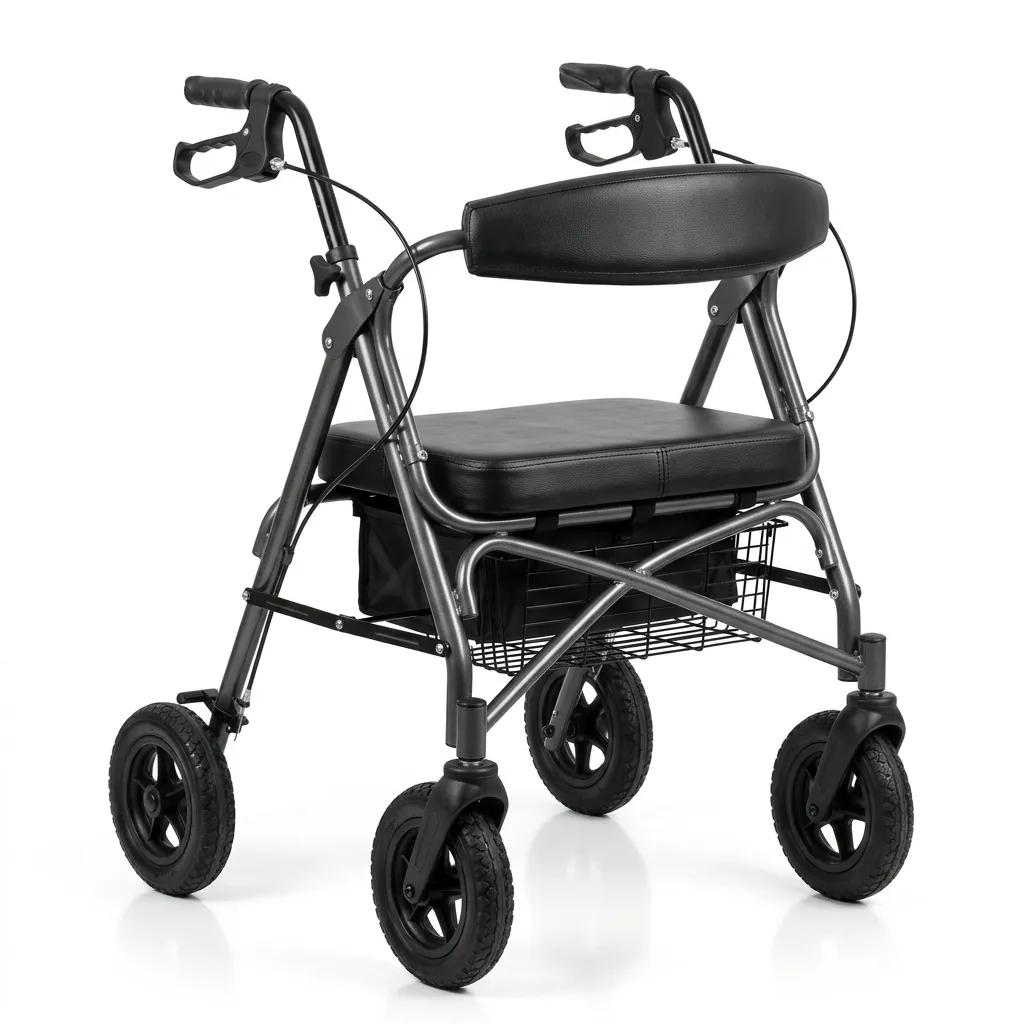
The Medline Heavy Duty Rollator is our recommendation for heavier-set seniors or those needing maximum stability. The 500-pound weight capacity and extra-wide seat provide genuine comfort advantages. The primary drawback is weight—at 20+ pounds, this rollator requires adequate upper body strength to manage, and transport becomes challenging. It's best suited for seniors who will keep it in one location rather than moving it between floors.
Bathroom Safety Integration
Bathrooms are the second-most common location for senior falls. Integrating bathroom safety with your stair lift strategy creates comprehensive protection.
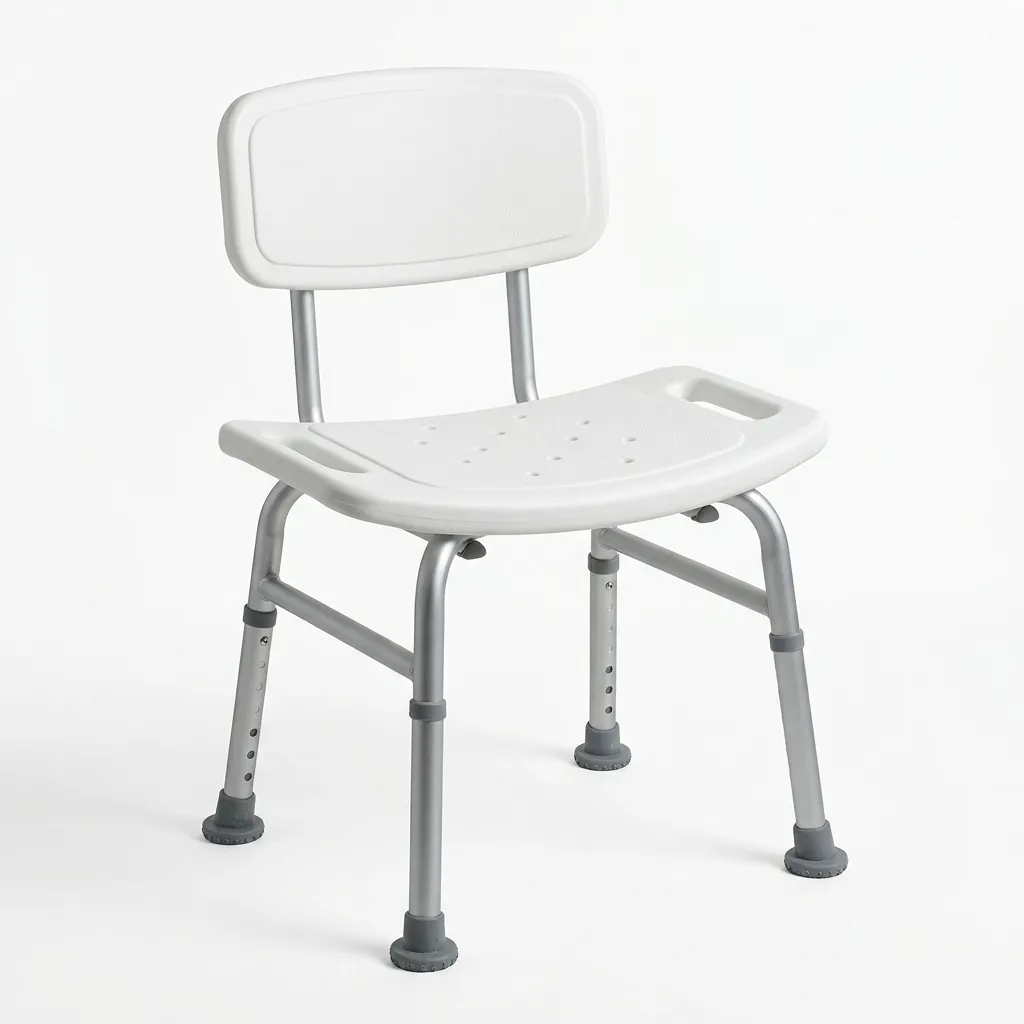
The OasisSpace Shower Chair offers practical bathroom safety at an accessible price point. Tool-free assembly means you can set it up immediately without waiting for professional installation. The adjustable height legs accommodate different tub configurations, making it versatile for various bathroom layouts. The basic model's lack of armrests may feel less secure for seniors with significant balance concerns—consider upgrading to a model with armrests if you have any hesitation about stability.
Creating a Cohesive Safety Plan
Our team of specialists recommends viewing mobility aids as an integrated system rather than isolated solutions. A stair lift handles vertical transitions, rollators support horizontal movement, and bathroom aids prevent falls in high-risk zones. This coordinated approach addresses the reality that seniors move through multiple environments requiring different types of support.
An occupational therapy assessment evaluates your home layout, movement patterns, and specific mobility challenges to prioritize which aids will provide the greatest safety benefit. This professional evaluation is invaluable for creating an effective, personalized aging-in-place strategy.
Cost Considerations & Financial Assistance
Stair Lift Pricing Breakdown
Understanding the cost structure helps you make informed decisions about which features justify the investment for your situation.
Budget options ($3,000-$5,000): These basic straight staircase lifts include essential safety features but may have fewer comfort upgrades like padded seats or adjustable speed settings. They're appropriate for active seniors with good mobility who primarily need fall prevention.
Mid-range models ($5,000-$10,000): This category includes most residential stair lifts with comfortable seating, multiple speed settings, swivel seats, and reliable battery backup. Our testing shows this price range offers the best value for most seniors.
Premium and curved options ($10,000-$15,000+): These include curved staircase lifts (which are custom-built), premium straight lifts with enhanced comfort features, and outdoor models with weather-resistant construction.
The price difference often reflects customization, materials, warranty length, and included service agreements rather than fundamental safety differences. All quality stair lifts meet the same safety standards.
Funding Your Stair Lift
Medicare coverage: Unfortunately, Medicare does not cover stair lifts, classifying them as home modifications rather than medical equipment. However, some Medicare Advantage plans may offer supplemental coverage—contact your plan directly to inquire.
Medicaid programs: Coverage varies significantly by state. Some state Medicaid programs cover stair lifts as part of aging-in-place initiatives, while others do not. Contact your state's Medicaid office to determine eligibility and documentation requirements.
Veterans benefits: The VA may cover stair lifts for eligible veterans through the Aid & Attendance benefit or Specially Adapted Housing grant program. Contact your local VA office to explore options.
Insurance and HSA options: Some private insurance plans cover stair lifts if deemed medically necessary. Health Savings Accounts (HSAs) and Flexible Spending Accounts (FSAs) can be used to pay for stair lifts with pre-tax dollars, providing meaningful savings.
Tax deductions: Stair lifts may qualify as medical expense deductions if they're installed primarily for medical reasons. Consult a tax professional and maintain documentation from your healthcare provider supporting medical necessity.
Rental vs. Purchase
Renting makes sense if you're recovering from surgery or injury and expect to regain mobility within 6-12 months. Rental costs typically run $200-400 monthly. For permanent mobility challenges, purchase becomes cost-effective after 18-24 months of rental payments.
Long-term cost analysis: A $6,000 stair lift with minimal maintenance costs approximately $500 annually. After 12 years, the total cost is $12,000 ($1,000 annually). Renting the same lift for 12 years would cost $28,800-57,600. Purchase is economically superior for permanent needs.
Installation, Maintenance & Troubleshooting
Professional Installation Process
Timeline expectations: Most straight staircase installations take 4-8 hours. Curved staircase installations require 1-2 days. The installation team will:
Disclaimer: The information provided in this article is for general informational purposes only and does not constitute medical advice. It is not intended to be a substitute for professional medical advice, diagnosis, or treatment. Always seek the advice of your physician or other qualified health provider with any questions you may have regarding a medical condition.
Related Articles



Reviewed & Fact-Checked By

Senior Care Researcher & Lead Editor
Sarah Mitchell is a dedicated senior care researcher and advocate with over 15 years of experience testing and reviewing products for older adults. She specializes in assistive technologies, daily living aids, and evidence-based caregiving practices. Full bio →
Why You Can Trust Us
🔬 Our Testing Methodology
We independently test and evaluate products based on safety, ease of use, comfort, and value. Our recommendations are built on hundreds of hours of research and hands-on analysis.
✍️ Editorial Process
Every article goes through a rigorous fact-checking process. We only cite authoritative sources like the NIH, Mayo Clinic, and CDC to ensure accurate, evidence-based information.
⚕️ Medical Review Policy
Content related to health conditions is reviewed by our network of credentialed specialists, including gerontologists and physical therapists, to ensure clinical accuracy.
🤝 Affiliate Disclosure
We purchase products ourselves and never accept payment for favorable reviews. If you buy through our links, we may earn a commission that supports our work, at no extra cost to you.