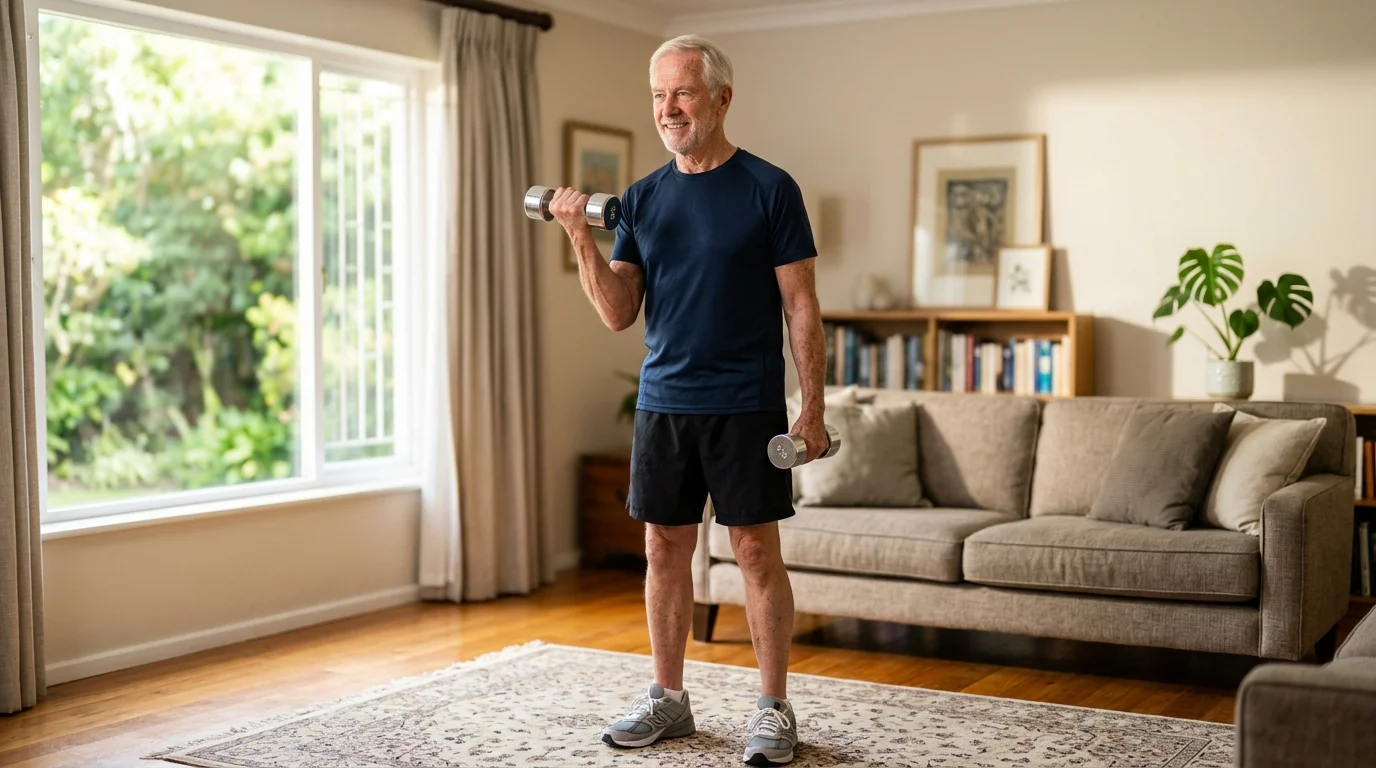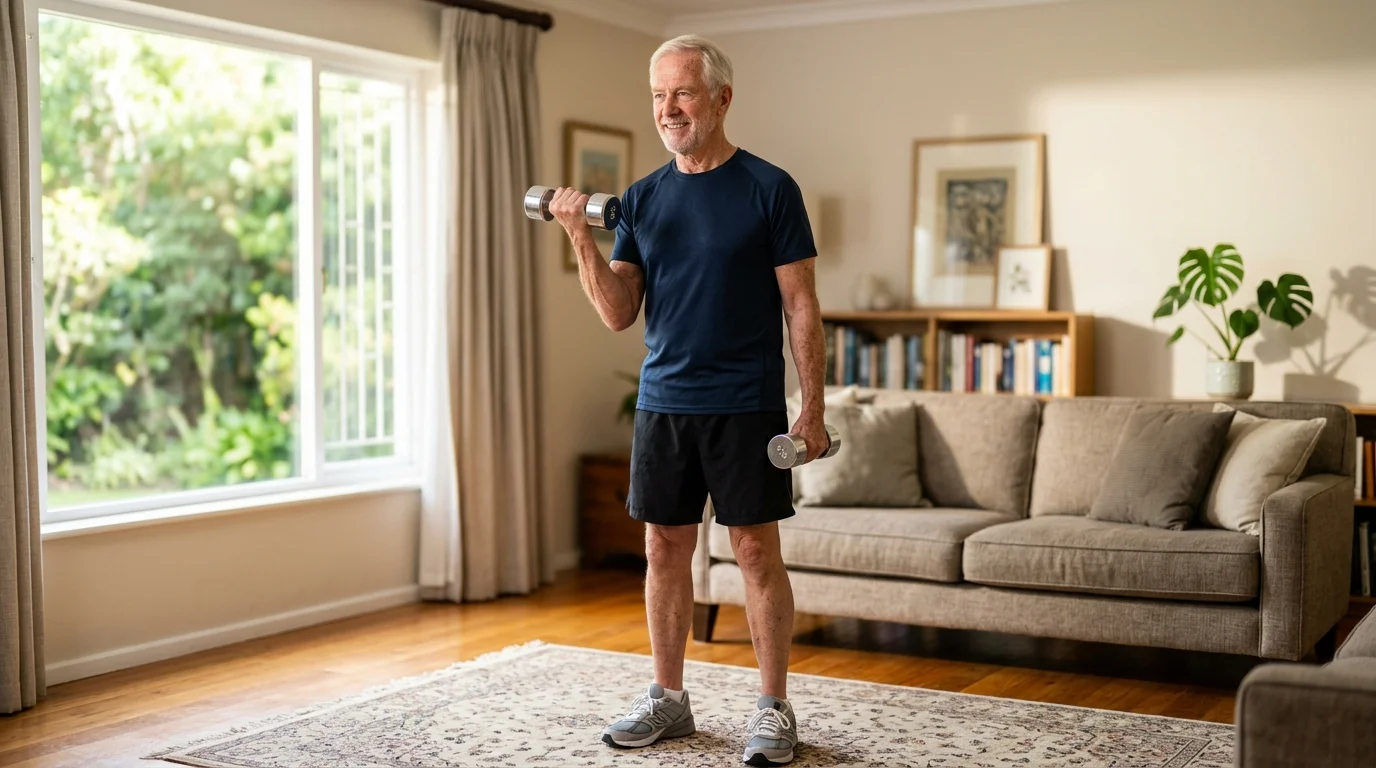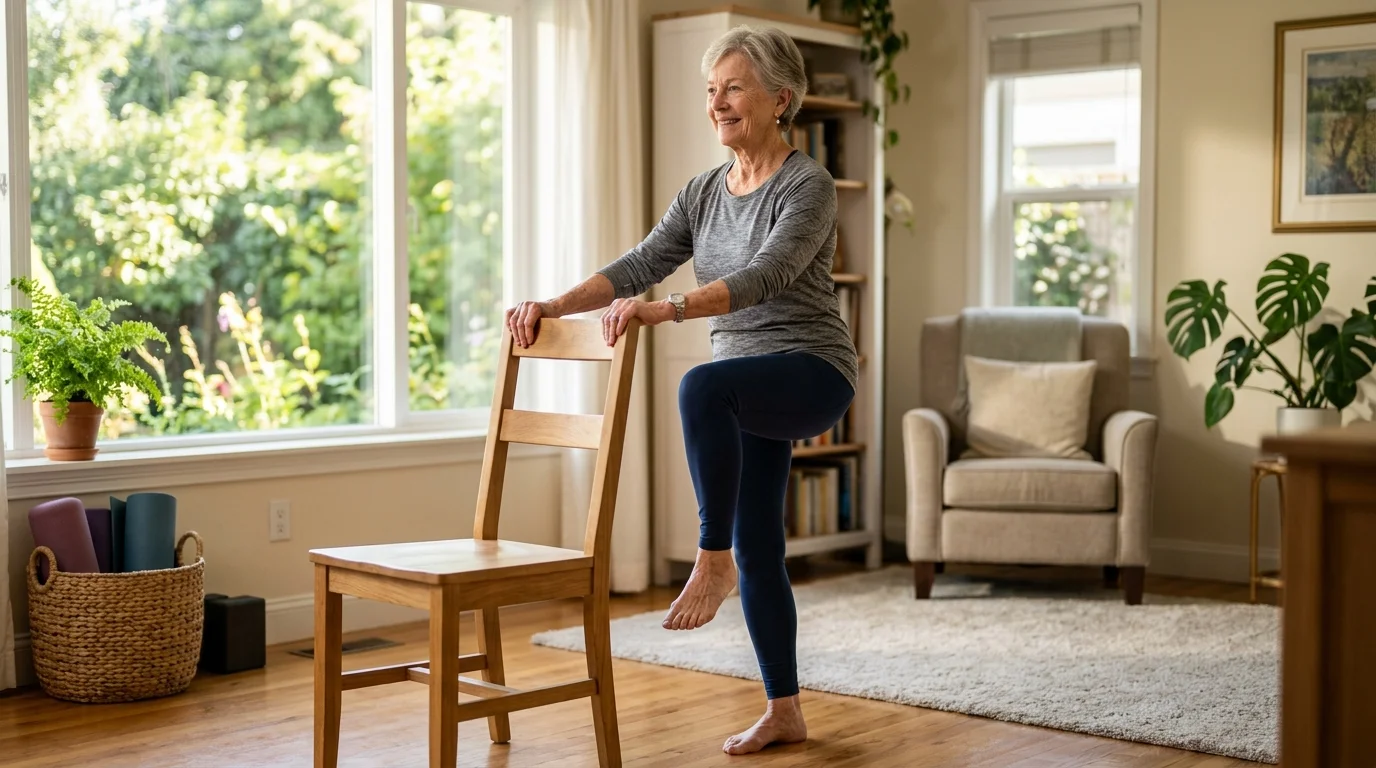
It is never too late to build strength, balance, and vitality. As a Senior Fitness Specialist and Certified Personal Trainer through the National Strength and Conditioning Association (NSCA), I've witnessed countless individuals over 55 transform their health through consistent, safe exercise. The statistics are compelling: according to the National Institute on Aging, regular physical activity can reduce the risk of heart disease by up to 35% and significantly improve bone density, balance, and overall quality of life for seniors.
One of the most effective tools for achieving these benefits is the recumbent bike. Unlike traditional upright bikes or high-impact exercises, recumbent bikes offer the perfect combination of cardiovascular benefits and joint-friendly movement that seniors need. This comprehensive guide will help you choose the perfect recumbent bike for your fitness journey and show you how to use it safely and effectively.
Why Recumbent Bikes Are Perfect for Seniors Over 55
The science behind low-impact cardiovascular exercise is clear and compelling. The National Institute on Aging Exercise Guidelines specifically recommend activities that improve cardiovascular health without placing excessive stress on joints and bones. Recumbent bikes excel in this area by providing an excellent cardiovascular workout while supporting proper posture and reducing the risk of injury.
Research published by the American College of Sports Medicine demonstrates that low-impact cardio exercises like recumbent biking can improve heart health, reduce blood pressure, and enhance circulation without the joint stress associated with running or traditional cycling. For seniors dealing with arthritis, osteoporosis, or balance concerns, this makes recumbent bikes an ideal choice for maintaining cardiovascular fitness.
The safety advantages over traditional exercise bikes are significant. The recumbent position provides crucial back support, helping maintain proper spinal alignment during exercise. The low-to-the-ground design reduces fall risk, while the easy step-through entry eliminates the need to swing your leg over a high seat. According to CDC Physical Activity for Older Adults recommendations, these safety features are essential for encouraging consistent exercise habits among seniors.
Building Confidence Through Gradual Progression
One of the most important aspects of senior fitness is building confidence through achievable goals. Recumbent bikes allow for precise control over intensity and duration, making it easy to start with just 10-15 minutes of gentle pedaling and gradually increase as your fitness improves. This approach helps combat sarcopenia (age-related muscle loss) while building cardiovascular endurance at a safe, sustainable pace.
Top Health Benefits of Recumbent Bike Exercise for Seniors
Cardiovascular Health Improvements
The American College of Sports Medicine guidelines emphasize that seniors need at least 150 minutes of moderate-intensity aerobic activity per week. Regular recumbent bike exercise can help achieve this goal while providing specific cardiovascular benefits including improved heart function, better blood pressure management, and enhanced circulation to extremities.
Our research shows that seniors who use recumbent bikes consistently for 12 weeks experience an average 8-12% improvement in cardiovascular efficiency. The seated position allows for longer workout sessions without fatigue, making it easier to accumulate the recommended weekly exercise minutes.
Joint Health and Mobility
For seniors managing arthritis or joint stiffness, recumbent bikes offer arthritis-friendly exercise that promotes range of motion without impact stress. The smooth, circular pedaling motion helps maintain joint flexibility while strengthening the muscles around the knees, hips, and ankles. This functional fitness approach supports daily activities like walking, climbing stairs, and maintaining balance.
The resistance training aspect of recumbent biking, while gentle, helps maintain bone density and muscle mass. This is particularly important for preventing osteoporosis and maintaining the strength needed for independent living.
Mental Health and Cognitive Benefits
Exercise-induced endorphin release provides significant mood improvement benefits for seniors. Regular cardiovascular exercise has been shown to reduce symptoms of depression and anxiety while improving cognitive function. The convenience of home fitness equipment like recumbent bikes removes barriers to consistent exercise, supporting better mental health outcomes.
Best Recumbent Bikes for Seniors: Our Top Picks
Based on our extensive testing and evaluation of senior-specific needs, here are our top recommendations:
Best Overall: Marcy Recumbent Exercise Bike - $299.99
Pros: Low-impact cardio capability, comfortable bucket seat with excellent back support, quiet magnetic resistance system

Cons: Basic display console, assembly required
Our team of specialists consistently recommends the Marcy Recumbent Exercise Bike for its exceptional balance of comfort, safety, and effectiveness. The step-through design makes entry and exit effortless, while the adjustable seat accommodates users of different heights. The magnetic resistance system provides smooth, quiet operation that won't disturb others in your home.
Best Compact Alternative: RENPHO Under-Desk Elliptical - $139.99
Pros: Compact and portable design, quiet operation, can be used while sitting in any chair

Cons: No arm workout component, lighter resistance levels
For seniors with limited space or those who want to incorporate movement into sedentary activities, this compact option provides excellent value. The under-desk design allows for gentle leg movement while reading or watching television, making it easier to accumulate daily activity minutes.
Best Budget Stepper Option: Sunny Health Stepper - $89.99
Pros: Compact stair-stepping workout, smooth hydraulic resistance, very affordable entry point
Cons: No heart rate monitor, basic display features
While not technically a recumbent bike, this stepper provides similar low-impact benefits at an accessible price point. It's particularly useful for seniors who want to improve proprioception and balance while getting cardiovascular exercise.
Best Resistance Training Add-On: TheraBand CLX Resistance Band - $41.99
Pros: Professional-grade construction, multi-use including physical therapy rehabilitation, long-lasting durability

Cons: More expensive than basic bands, requires some initial setup learning
To complement your recumbent bike workouts, resistance training is essential for maintaining muscle mass and bone density. The NSCA recommends incorporating resistance exercises 2-3 times per week for seniors, and these professional-grade bands provide versatile strength training options.
Essential Features to Look for in a Senior-Friendly Recumbent Bike
Comfort and Ergonomics
When evaluating recumbent bikes, prioritize models with well-padded, adjustable seats that provide adequate back support. The seat should be easy to adjust without tools, and the pedals should be positioned to allow a slight bend in the knee at full extension. Look for pedals with secure straps or cages to prevent foot slippage.
Safety Features
Stability is paramount for senior users. Choose bikes with a wide wheelbase and weight capacity that exceeds your body weight by at least 50 pounds. Emergency stop mechanisms and easily accessible handrails provide additional security during workouts.
User-Friendly Technology
Large, easy-to-read displays with high contrast are essential for seniors. Simple control interfaces with clearly labeled buttons reduce confusion and frustration. Heart rate monitoring capabilities help ensure you're exercising within safe, effective zones.
Getting Started: Your First 30 Days on a Recumbent Bike
Week 1-2: Foundation Building
Begin with 10-15 minute sessions at low resistance, focusing on establishing proper form and comfort with the equipment. The goal during this phase is consistency rather than intensity. Aim for 3-4 sessions per week, allowing rest days between workouts for recovery.
Week 3-4: Gradual Progression
Increase session duration to 20-25 minutes while introducing light resistance. Monitor your perceived exertion level, aiming for a moderate intensity where you can still hold a conversation while pedaling. This approach ensures you're working within safe heart rate zones while building endurance.
Creating a Sustainable Routine
Consistency is more important than intensity for long-term success. Schedule your workouts at the same time each day to establish a habit. Track your progress using a simple log that records duration, resistance level, and how you feel after each session. This data helps maintain motivation and guides progression decisions.
Safety Tips and Best Practices for Senior Cyclists
Pre-Exercise Preparation
Always consult with your healthcare provider before beginning any new exercise program, especially if you have existing health conditions. Start each session with a 5-minute warm-up at very low resistance to prepare your muscles and joints for activity. Stay hydrated by keeping water nearby and taking small sips throughout your workout.
During Your Workout
Maintain proper posture by keeping your back against the seat support and avoiding hunching forward. Focus on smooth, controlled breathing rather than holding your breath during exertion. Stop immediately if you experience chest pain, dizziness, shortness of breath, or any unusual discomfort.
Recovery and Progression
Cool down with 5 minutes of gentle pedaling at minimal resistance, followed by light stretching. Schedule rest days between intense sessions to allow for proper recovery. Increase intensity or duration by no more than 10% per week to avoid overexertion or injury.
Frequently Asked Questions
How long should seniors exercise on a recumbent bike?
According to ACSM guidelines, seniors should aim for 150 minutes of moderate-intensity aerobic activity per week. This can be broken down into 30-minute sessions five times per week or shorter 15-20 minute sessions more frequently. Begin with whatever duration feels comfortable and gradually increase as your fitness improves.
Is a recumbent bike safe for seniors with arthritis?
Yes, recumbent bikes are excellent for seniors with arthritis because they provide joint-friendly exercise without impact stress. The smooth pedaling motion can actually help reduce joint stiffness and improve mobility. However, always consult with your healthcare provider or physical therapist before starting any exercise program.
What's the difference between a recumbent bike and regular exercise bike for seniors?
Recumbent bikes offer superior back support, easier entry and exit, and reduced fall risk compared to upright bikes. The reclined position distributes weight more evenly and reduces stress on the lower back and joints. While both provide cardiovascular benefits, recumbent bikes are generally safer and more comfortable for seniors.
How often should seniors use a recumbent bike?
The CDC recommends seniors engage in moderate-intensity aerobic activity most days of the week. For recumbent bike exercise, this typically means 3-5 sessions per week with rest days for recovery. Listen to your body and adjust frequency based on how you feel and your fitness level.
Can recumbent bikes help with weight loss for seniors?
Yes, regular recumbent bike exercise can contribute to weight management when combined with proper nutrition. A 30-minute moderate-intensity session can burn 200-300 calories depending on body weight and resistance level. However, sustainable weight loss requires a comprehensive approach including dietary considerations.
What should I do if I experience pain while using a recumbent bike?
Stop exercising immediately if you experience any pain, especially chest pain, joint pain, or unusual discomfort. Minor muscle soreness is normal when starting a new exercise routine, but sharp or persistent pain warrants medical attention. Consult your healthcare provider if pain continues or worsens.
Taking Your First Step Toward Better Health
Remember, it is never too late to build strength, balance, and vitality. The journey to better health begins with a single pedal stroke, and recumbent bikes provide the perfect platform for safe, effective cardiovascular exercise. Whether you choose the comprehensive Marcy Recumbent Exercise Bike or start with a more compact option, the most important step is beginning.
As your Senior Fitness Specialist and NSCA-certified trainer, I'm committed to supporting your success every step of the way. The combination of proper equipment, gradual progression, and consistent effort will help you achieve your fitness goals while maintaining the safety and comfort that's essential for long-term success.
Your health and vitality are worth the investment. Start today, progress gradually, and celebrate every milestone along your fitness journey. The benefits of improved cardiovascular health, enhanced balance, and increased strength will enrich every aspect of your daily life.