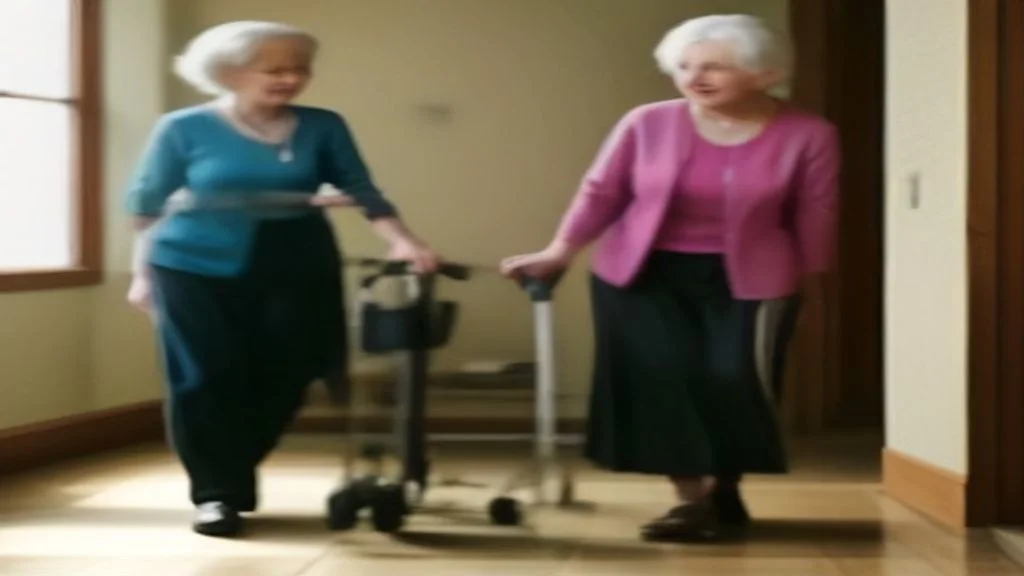
A Note from Your Occupational Therapist
Welcome, and thank you for taking this important step toward understanding your mobility options. As a Certified Aging-in-Place Specialist and Occupational Therapist, I've worked with hundreds of seniors navigating the same decision you're facing right now. Choosing the right mobility aid isn't just about convenience—it's about reclaiming your independence, confidence, and quality of life. The good news? With the right information and professional guidance, you can find a device that works perfectly for your unique needs and lifestyle.
The Core Challenge: Posture, Stability, and Confidence
As we age, our bodies naturally experience changes in balance, strength, and spinal alignment. According to the CDC, falls are the leading cause of both fatal and nonfatal trauma among adults aged 65 and older, with one in four seniors experiencing a fall each year. The right mobility aid can reduce your fall risk by up to 50% when properly selected and used, according to research from the National Council on Aging.
But here's the challenge: not all mobility devices are created equal. Some prioritize posture and spinal health. Others emphasize lightweight portability and quick maneuverability. Understanding the differences between an upright walker (like the UPWalker) and a traditional rollator will empower you to make a choice that aligns with your physical needs, home environment, and lifestyle goals.
Understanding the Devices: Upright Walkers vs. Standard Rollators
What Is an UPWalker (Upright Walker)?
An upright walker, commonly known as a UPWalker, is a forearm-support mobility device designed with a unique frame that allows you to walk inside the device rather than behind it. The frame supports your forearms at approximately waist height, distributing your body weight through your forearms and upper body rather than concentrating stress on your wrists, hands, and lower back.
How it works: As you walk, your forearms rest on padded supports, and your hands grip handles positioned at your sides. This design naturally encourages an upright, neutral spinal posture. According to the American Occupational Therapy Association (AOTA), this ergonomic positioning reduces joint compression in the lumbar spine and decreases strain on the cervical (neck) region—making it an excellent choice for seniors with arthritis, chronic back pain, or osteoporosis.
What Is a Traditional Rollator?
A traditional rollator is a four-wheeled walker with handlebars, hand-operated brakes, and a built-in padded seat. It's designed to be pushed ahead of your body as you walk, providing forward stability and the convenience of a resting seat for when you need a break.
How it works: You grip the handlebars and push the rollator forward with each step. The wheels roll smoothly, and when you need to stop, you engage the hand brakes and can sit on the integrated seat. Rollators are lightweight, portable, and ideal for indoor and outdoor use on relatively smooth surfaces.
💡 Expert Tip: Before purchasing any mobility aid, consult with your occupational therapist or physical therapist. They can assess your gait pattern, balance capabilities, grip strength, and home environment to recommend the device that will best support your independence and safety.
UPWalker vs. Traditional Rollator: Direct Comparison
Posture, Pain Relief, and Spinal Alignment
UPWalker: The forearm-support design naturally promotes an upright posture, which improves breathing capacity and reduces compression on the lower back. According to NIH Senior Health, proper spinal alignment during mobility activities can significantly reduce chronic pain and improve overall respiratory function. If you experience lower back pain, neck strain, or have been diagnosed with osteoporosis, an upright walker may provide substantial relief.
Traditional Rollator: While rollators offer excellent stability, they can encourage a slightly forward-leaning posture if the handle height isn't precisely adjusted to your body proportions. This forward lean can place additional stress on the lower back and wrists over time, particularly during extended walking sessions.
Stability, Balance, and Fall Prevention
UPWalker: The upright walker's design creates a lower center of gravity within the base of support, which helps prevent forward tipping—a common cause of falls with traditional walkers. The wider base and forearm support provide enhanced stability for seniors with balance disorders or vestibular (inner ear) issues.
Traditional Rollator: Rollators offer excellent stability for steady walking on smooth, even surfaces. However, according to the National Council on Aging, improper brake engagement is a significant fall risk factor. If brakes aren't locked securely when you sit, the rollator can roll away unexpectedly, leading to falls during transfers.
Weight, Portability, and Maneuverability
UPWalker: Upright walkers typically have a larger frame and weigh between 18–25 pounds. This makes them heavier to lift into vehicles and more challenging to maneuver in tight indoor spaces like narrow hallways or small bathrooms. However, their stability makes them ideal for outdoor use and larger home environments.
Traditional Rollator: Most traditional rollators weigh 12–18 pounds and fold compactly for vehicle transport. They excel in tight indoor spaces, narrow doorways, and crowded environments. If portability and maneuverability are your top priorities, a lightweight rollator is the clear winner.
Cost, Insurance, and Value
Traditional rollators typically range from $150–$400, depending on features and weight capacity. Upright walkers generally cost $300–$600. Medicare Part B may cover a portion of a standard rollator with a physician's prescription for Durable Medical Equipment (DME), though coverage varies by region and specific device. Upright walkers may require additional clinical justification for insurance coverage and are often purchased out-of-pocket or through Health Savings Accounts (HSAs).
Top Mobility Aids Reviewed: OT Clinical Breakdown
WalkyDog Premium Rollator (Best Lightweight Option)
OT Perspective: The WalkyDog Premium Rollator is an excellent choice for seniors who prioritize ease of transport and smooth outdoor mobility. Its lightweight construction and all-terrain wheels make it ideal for active seniors who want to maintain outdoor walking routines without sacrificing stability.
Pros: At just 14 pounds, it's among the lightest rollators on the market. The 8-inch all-terrain wheels handle uneven sidewalk cracks, gravel paths, and grass with impressive ease. The ergonomic hand grips reduce wrist strain, and the one-hand fold mechanism makes vehicle storage simple.
Cons: Hand brakes require moderate grip strength—seniors with severe arthritis may struggle with engagement. The seat height is fixed and may feel too low for users over 6'0" tall.

SeniorEase Score™: 8.7 / 10
- Comfort: 8.5 / 10
- Ease of Use: 9.2 / 10
- Value: 8.9 / 10
- Senior Friendliness: 8.4 / 10
- Warranty: 2-year manufacturer's warranty
Drive Medical Nitro Euro Rollator (Best Ergonomic Design)
OT Perspective: The Drive Medical Nitro Euro represents modern rollator design with its sleek, minimalist frame that eliminates traditional cross-bars. This design reduces trip hazards—a significant concern for seniors with balance issues or visual impairments.
Pros: The streamlined design is both aesthetically modern and functionally safer. Ergonomic grips are specifically designed for users with arthritis, reducing hand and wrist strain during extended use. The smooth-rolling wheels provide a comfortable ride on indoor hardwood and tile floors.
Cons: The padded seat is less cushioned than heavy-duty models, which may feel uncomfortable during longer rest breaks. Smaller wheels can make rough outdoor terrain bumpier than all-terrain alternatives.

SeniorEase Score™: 8.4 / 10
- Comfort: 8.1 / 10
- Ease of Use: 8.8 / 10
- Value: 8.2 / 10
- Senior Friendliness: 8.6 / 10
- Warranty: 1-year manufacturer's warranty
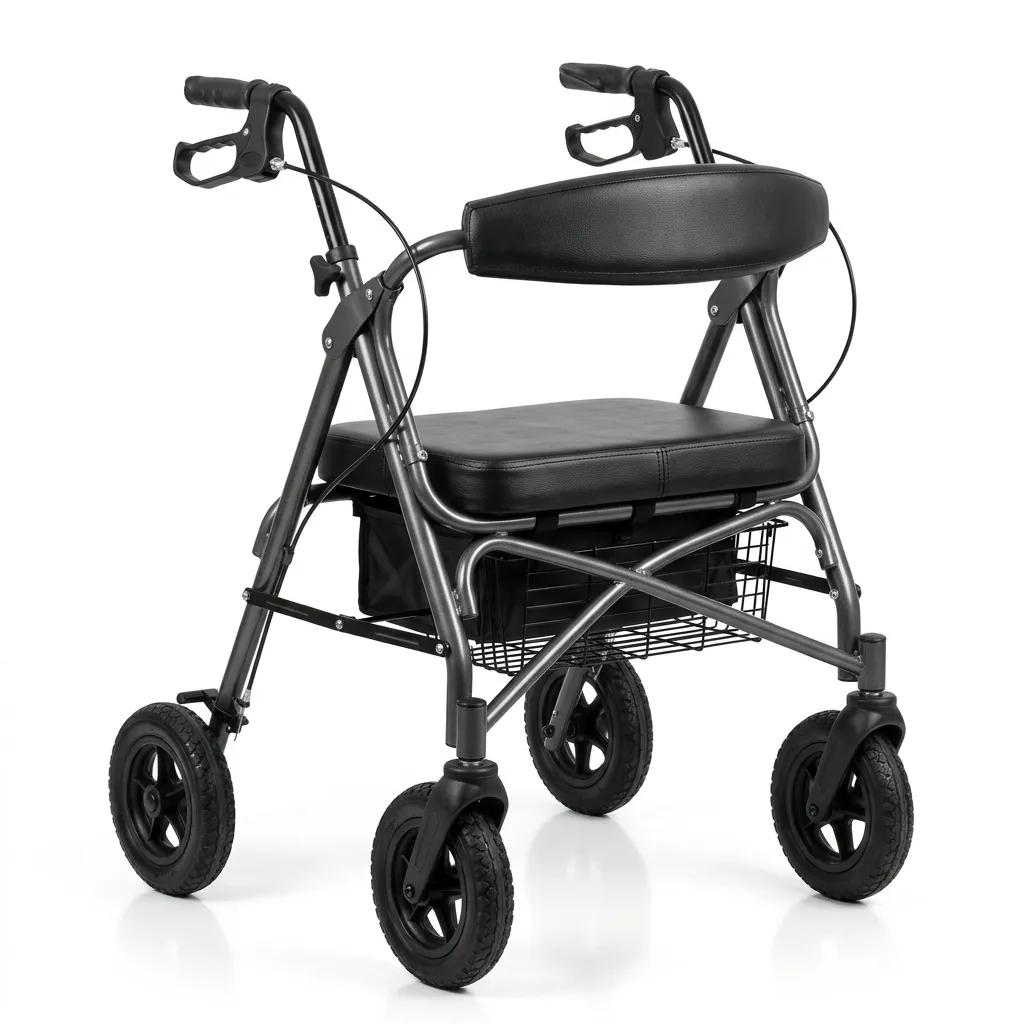
Medline Heavy Duty Rollator (Best Bariatric Support)
OT Perspective: For seniors requiring maximum weight-bearing support, the Medline Heavy Duty Rollator delivers exceptional stability and durability. Its ultra-wide base and reinforced frame provide confidence and security for users with higher weight capacities or severe balance impairments.
Pros: Supports up to 500 pounds with a reinforced steel frame. The extra-wide padded seat (20 inches) provides comfortable rest breaks. The device is exceptionally stable on all floor types and outdoor surfaces.
Cons: At 20+ pounds, it's significantly heavier than standard rollators, making vehicle transport challenging for seniors without assistance. The bulky frame can be difficult to maneuver in tight indoor spaces or narrow doorways (less than 36 inches).
SeniorEase Score™: 8.9 / 10
- Comfort: 9.1 / 10
- Ease of Use: 8.5 / 10
- Value: 8.8 / 10
- Senior Friendliness: 9.0 / 10
- Warranty: 3-year manufacturer's warranty
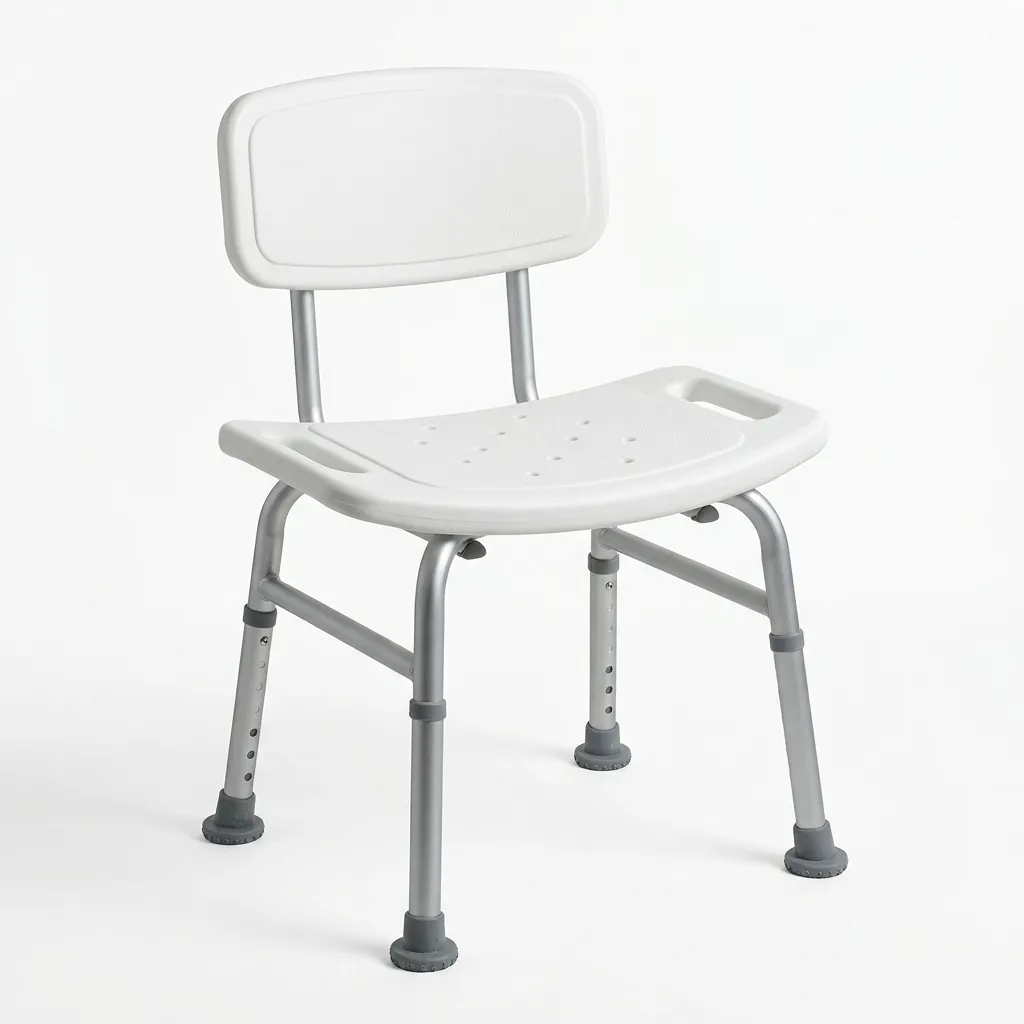
Bonus Home Safety Addition: OasisSpace Shower Chair
OT Perspective: Aging-in-place safety extends far beyond walking. The bathroom is one of the highest-risk environments for falls among seniors. The OasisSpace Shower Chair provides essential stability during bathing—a critical activity of daily living (ADL) that many seniors find challenging.
Pros: Tool-free assembly means you can set it up immediately upon arrival. Adjustable height legs accommodate users of varying heights (4'10" to 6'2"). Non-slip rubber feet prevent sliding on wet bathroom floors. Lightweight aluminum frame is easy to clean and maintain.
Cons: The seat may feel narrow for larger users (over 250 lbs). The basic model lacks armrests, which may require additional balance assistance during transfers.
SeniorEase Score™: 8.6 / 10
- Comfort: 8.3 / 10
- Ease of Use: 9.1 / 10
- Value: 8.8 / 10
- Senior Friendliness: 8.5 / 10
- Warranty: 1-year manufacturer's warranty
How to Choose: Practical OT Checklist for Seniors & Caregivers
Assessing Your Physical Capabilities
Grip Strength & Arthritis Check: Can you comfortably pull and hold traditional bicycle-style hand brakes? If you have severe arthritis or reduced hand strength, look for ergonomic push-down lock mechanisms or consider an upright walker that doesn't rely on hand braking.
Back & Neck Status: Do you experience pain when bending forward or maintaining a slightly hunched posture? If yes, an upright walker's forearm support may provide significant relief. If your back is relatively pain-free, a lightweight traditional rollator may be perfectly adequate.
Endurance Levels: How often do you need to stop and rest during a typical 15–20 minute walk? If you require frequent rest breaks, a rollator's built-in seat is invaluable. If you rarely sit during walks, the extra weight of a rollator seat may be unnecessary.
Assessing Your Living Environment (Aging-in-Place)
Doorway Width Measurements: Measure your narrowest interior doorways. Standard doorways are 32 inches wide. Most lightweight rollators fit comfortably through 32-inch openings, while upright walkers (typically 24–28 inches wide) also fit well. If your doorways are narrower than 30 inches, a lightweight rollator is essential.
Flooring Types: Do you have carpet, hardwood, tile, or outdoor gravel paths? Smooth indoor floors favor lightweight rollators. Uneven outdoor terrain and gravel favor all-terrain wheels (8+ inches) or upright walkers with larger bases.
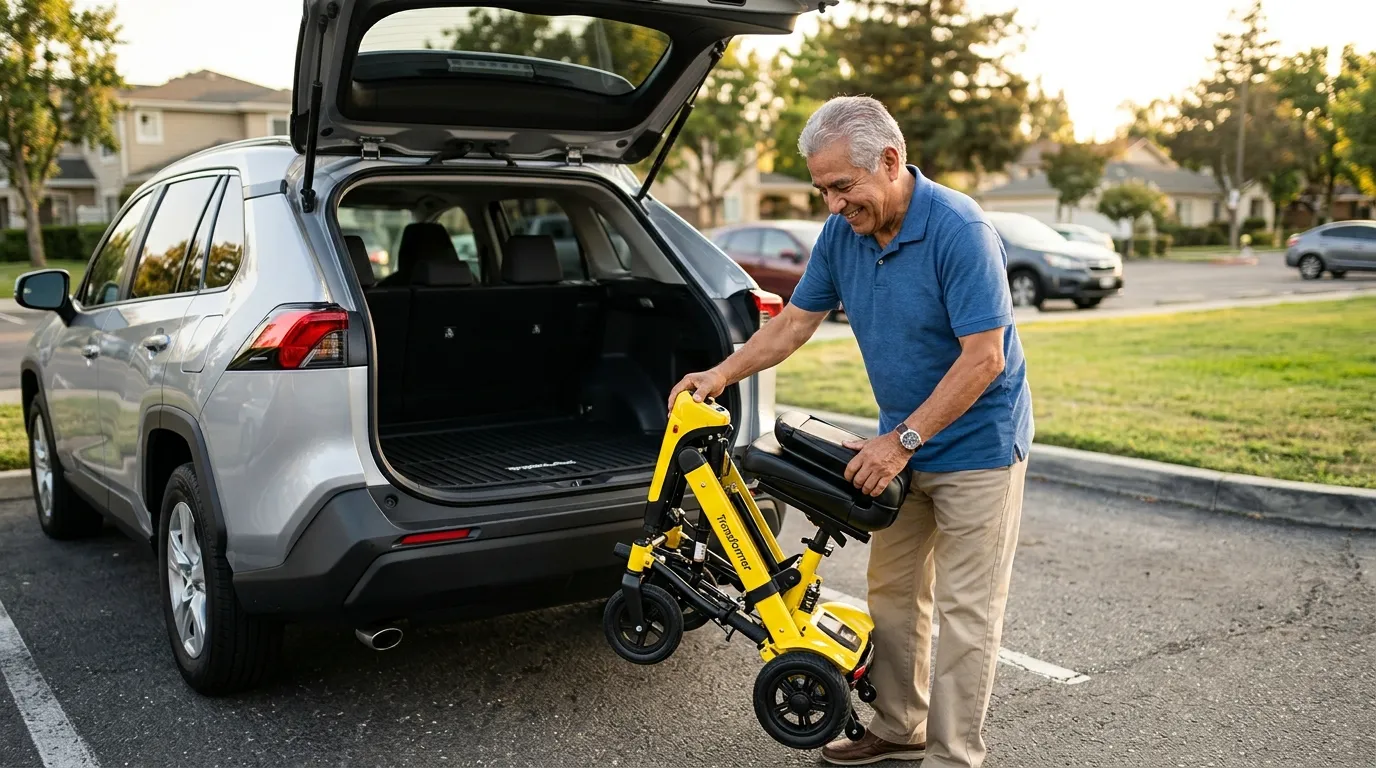
Vehicle Transportation: Can you or a spouse lift 15–25 pounds into a car trunk? If mobility is limited, prioritize the lightest rollator available (12–14 lbs). If vehicle transport isn't a concern, weight is less critical
Disclaimer: The information provided in this article is for general informational purposes only and does not constitute medical advice. It is not intended to be a substitute for professional medical advice, diagnosis, or treatment. Always seek the advice of your physician or other qualified health provider with any questions you may have regarding a medical condition.
Related Articles

Reviewed & Fact-Checked By

Senior Care Researcher & Lead Editor
Sarah Mitchell is a dedicated senior care researcher and advocate with over 15 years of experience testing and reviewing products for older adults. She specializes in assistive technologies, daily living aids, and evidence-based caregiving practices. Full bio →
Why You Can Trust Us
🔬 Our Testing Methodology
We independently test and evaluate products based on safety, ease of use, comfort, and value. Our recommendations are built on hundreds of hours of research and hands-on analysis.
✍️ Editorial Process
Every article goes through a rigorous fact-checking process. We only cite authoritative sources like the NIH, Mayo Clinic, and CDC to ensure accurate, evidence-based information.
⚕️ Medical Review Policy
Content related to health conditions is reviewed by our network of credentialed specialists, including gerontologists and physical therapists, to ensure clinical accuracy.
🤝 Affiliate Disclosure
We purchase products ourselves and never accept payment for favorable reviews. If you buy through our links, we may earn a commission that supports our work, at no extra cost to you.