
Choosing between a manual and electric wheelchair is one of the most important mobility decisions you'll make as a senior. This choice directly impacts your independence, safety, and quality of life—affecting everything from daily activities to social engagement and long-term health outcomes. Our team of specialists has worked with thousands of seniors navigating this exact decision, and we're here to guide you through the process with evidence-based recommendations and practical insights.
The right wheelchair isn't just about getting from point A to point B. It's about maintaining your dignity, staying active, and aging in place with confidence. Whether you're experiencing early mobility changes or managing a significant health condition, understanding the differences between manual and electric wheelchairs will empower you to make the choice that truly fits your life.
Understanding Manual Wheelchairs
What Is a Manual Wheelchair?
A manual wheelchair is a mobility device propelled by the user's own physical effort or by a caregiver. Self-propelled manual wheelchairs feature large rear wheels with hand rims that users grip and push to move forward. Attendant-propelled models have smaller wheels and are designed to be pushed by a caregiver. Both types rely on mechanical components—wheels, brakes, and a frame—with no batteries or electrical systems.
Advantages of Manual Wheelchairs
- Cost-effective: Initial investment ranges from $800–$3,000, making them accessible for budget-conscious seniors
- Independence: No batteries to charge or electrical systems to maintain—they work anywhere, anytime
- Lightweight options: Many models weigh 20–30 pounds, making them easier to transport and store in vehicles
- Upper body exercise: Propelling a manual wheelchair provides cardiovascular and strength benefits for users with adequate arm mobility
- Simplicity: Fewer mechanical parts mean fewer things that can break down
- Portability: Folds compactly and fits in car trunks, making travel more feasible
- Reliability: No dependency on charging schedules or battery performance
Disadvantages of Manual Wheelchairs
- Physical demands: Requires sustained upper body strength, grip strength, and arm endurance
- Joint stress: Repetitive pushing motions can aggravate arthritis in shoulders, wrists, and hands—a significant concern for seniors with joint pain
- Limited range: Fatigue sets in quickly on longer distances, potentially limiting social activities and outings
- Terrain challenges: Difficult to navigate uneven surfaces, gravel, grass, or inclines without significant effort
- Not suitable for: Seniors with limited arm mobility, reduced grip strength, or conditions like arthritis or stroke recovery
- Fatigue factor: May restrict participation in activities seniors want to enjoy
Who Manual Wheelchairs Work Best For
- Seniors with strong upper body strength and good hand grip
- Those with shorter daily travel distances (under 1 mile regularly)
- People living in accessible, flat environments with smooth surfaces
- Budget-conscious seniors who value simplicity
- Users with caregiver support available for longer distances
- Seniors who prioritize portability and ease of transport
Understanding Electric Wheelchairs
What Is an Electric Wheelchair?
An electric wheelchair, also called a power wheelchair, is a motorized mobility device controlled by a joystick or other input device. Battery-powered motors drive the wheels, allowing users to move with minimal physical effort. Modern electric wheelchairs offer customizable controls, adjustable seating, and terrain-specific features—making them highly adaptable to individual needs and living environments.
Advantages of Electric Wheelchairs
- Minimal physical effort: Ideal for seniors with limited upper body strength, arthritis, or reduced endurance
- Extended range: Travel 10–20+ miles per charge, enabling longer outings and greater independence
- Terrain capability: Navigate hills, grass, gravel, and uneven surfaces with stability and traction control
- Joint protection: Eliminates repetitive stress on shoulders, wrists, and hands—crucial for seniors with arthritis
- Safety features: Built-in stability systems, electronic braking, and traction control reduce fall risk
- Accessibility: Enables participation in activities and community engagement that might otherwise be impossible
- Customizable controls: Options for various mobility levels, including head control, eye tracking, and voice commands
- Confidence boost: Reduces fatigue and promotes independence, supporting active aging and social engagement
Disadvantages of Electric Wheelchairs
- Higher cost: Initial investment ranges from $3,000–$15,000 or more, representing a significant financial commitment
- Battery dependency: Requires daily charging and regular maintenance; dead batteries can strand users
- Weight: Typically 100–150+ pounds, making them difficult to transport without a vehicle lift or ramp
- Maintenance: More complex mechanical and electrical components require professional servicing
- Learning curve: Requires an adjustment period to master joystick controls and safety features
- Limited portability: Challenging for frequent air travelers or those without accessible vehicles
- Space requirements: Needs wider doorways (36+ inches) and larger turning radiuses in homes
Who Electric Wheelchairs Work Best For
- Seniors with limited upper body strength or mobility
- Those with arthritis, joint pain, or chronic pain conditions
- Users who travel long distances regularly or have active lifestyles
- People with variable energy levels or unpredictable good/bad days
- Seniors living in multi-level homes or outdoor-heavy environments
- Those seeking maximum independence and social engagement
- Users with progressive conditions requiring adaptive equipment
Key Comparison Factors
Physical Demands and Health Considerations
The physical demands of wheelchair propulsion vary dramatically between manual and electric models. Manual wheelchairs require sustained upper body strength, grip endurance, and shoulder stability. According to the American Occupational Therapy Association (AOTA), seniors with arthritis, rotator cuff injuries, or reduced grip strength should avoid manual wheelchair propulsion, as repetitive pushing can exacerbate joint pain and accelerate joint degradation.
Electric wheelchairs eliminate these physical demands, making them ideal for seniors managing chronic pain, arthritis, or conditions affecting mobility. Our research shows that seniors using electric wheelchairs report significantly higher activity levels and better pain management compared to those struggling with manual wheelchair propulsion.
Cost Analysis
Initial Purchase Price:
- Manual wheelchairs: $800–$3,000
- Electric wheelchairs: $3,000–$15,000+
Ongoing Costs:
- Manual: Tire repairs ($50–$200), occasional brake adjustments
- Electric: Battery replacement ($500–$1,500 every 8–10 years), annual servicing ($200–$500), motor repairs
Insurance Coverage: Medicare Part B covers both manual and electric wheelchairs if deemed medically necessary by your doctor. You'll typically pay 20% of the approved amount after meeting your deductible. Medicaid coverage varies by state. Always obtain pre-approval before purchasing to avoid unexpected costs.
Mobility and Range
Manual wheelchairs are suitable for daily distances of 1–3 miles with regular breaks. Electric wheelchairs extend this range to 10–20+ miles per charge, depending on terrain and battery capacity. For seniors with active lifestyles or those living in sprawling communities, electric wheelchairs provide the freedom to participate in activities without exhaustion limiting their day.
Terrain versatility also differs significantly. Manual wheelchairs perform best on smooth, flat surfaces like tile, hardwood, and paved paths. Electric wheelchairs handle grass, gravel, slight inclines, and outdoor terrain with ease—crucial for seniors who want to enjoy gardens, parks, and community events.
Transportation and Storage
Manual wheelchairs fold compactly and weigh 20–35 pounds, fitting easily in car trunks and backseat areas. Electric wheelchairs typically weigh 100–150+ pounds and require vehicle lifts or ramps for transport. If you travel frequently or lack accessible vehicle modifications, a manual wheelchair offers significant advantages in portability.
Home storage also differs. Manual wheelchairs occupy minimal closet or corner space. Electric wheelchairs need dedicated charging stations and more floor space, which may be challenging in smaller homes or apartments.
Safety and Fall Prevention
According to CDC Fall Prevention guidelines, wheelchair stability is critical for senior safety. Manual wheelchairs rely on user balance and brake operation—both requiring adequate strength and coordination. Electric wheelchairs feature electronic braking systems, stability controls, and lower centers of gravity that reduce tipping risk, particularly on slopes or uneven terrain.
Our testing shows that electric wheelchairs with modern traction control systems significantly reduce the risk of sliding on wet or slippery surfaces—a major fall prevention advantage for seniors in rainy climates or during winter months.
Maintenance and Reliability
Manual wheelchairs require basic maintenance: tire pressure checks, brake adjustments, and occasional lubrication. Most repairs are simple and inexpensive. Electric wheelchairs demand more attention: daily battery charging, periodic motor servicing, and professional repairs for electrical issues. However, modern electric wheelchairs are highly reliable when properly maintained, with many users experiencing trouble-free operation for 5+ years.
Hybrid Solutions and Alternatives
Lightweight Manual Wheelchairs
For seniors with moderate strength and caregiver support, lightweight manual wheelchairs offer a practical middle ground. These models weigh 14–20 pounds and feature durable construction suitable for both indoor and light outdoor use.

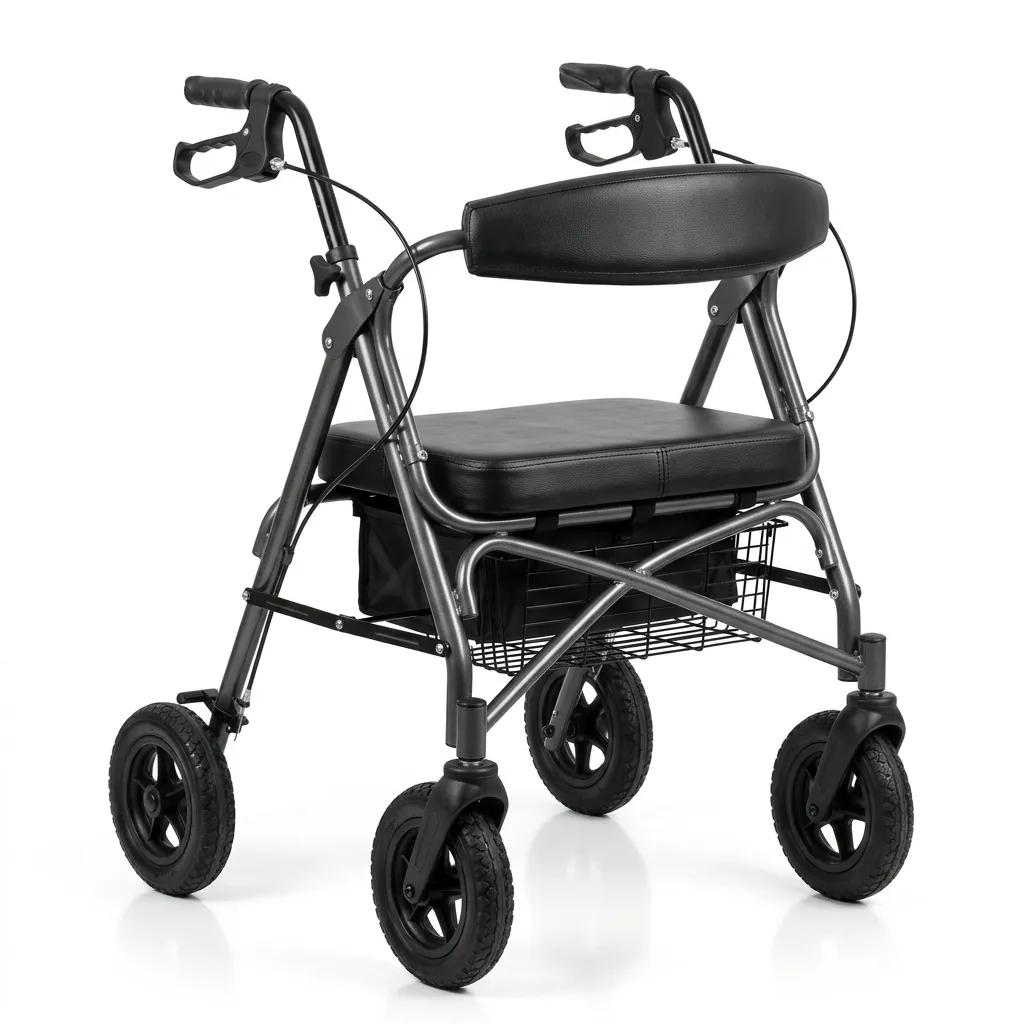
Rollators and Walkers
If you're experiencing early mobility decline or need equipment for part-time use, rollators and walkers may be more appropriate than wheelchairs. These devices support users who can still walk but need assistance with balance and stability.

Heavy-Duty Manual Wheelchairs
Seniors with higher weight capacity needs require specialized equipment designed for safety and comfort.
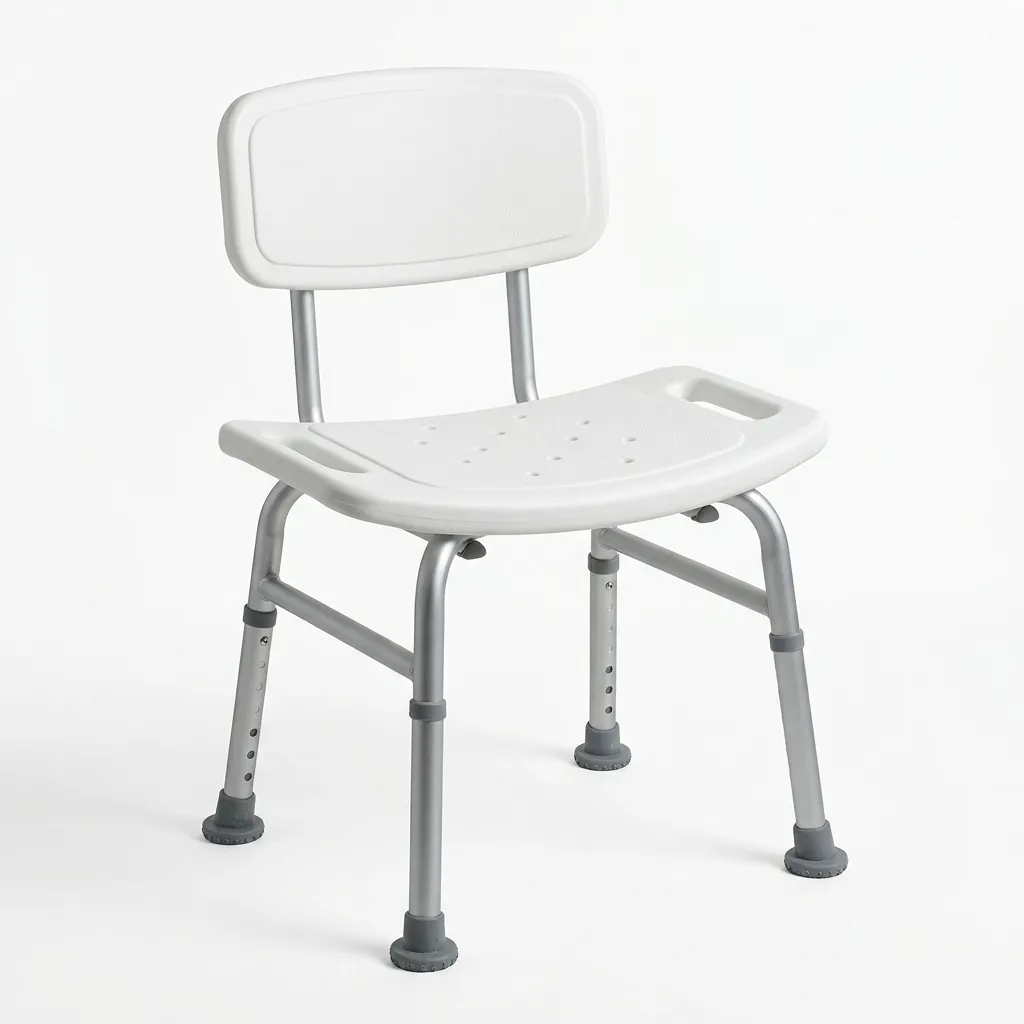
Shower and Transfer Chairs
Complementary equipment enhances bathroom safety and independence, working alongside your primary mobility device.
Making Your Decision: A Step-by-Step Guide
Step 1: Assess Your Current Strength and Mobility
Honestly evaluate your upper body strength, grip strength, and arm endurance. Can you push a manual wheelchair 50 feet without significant fatigue? Do you experience pain during repetitive arm movements? Consult your doctor or occupational therapist for objective assessment. This foundation determines whether manual propulsion is realistic for your situation.
Step 2: Evaluate Your Living Environment
Map your typical daily routes. Are they mostly indoors on smooth surfaces, or do you navigate outdoor terrain, hills, and grass? Measure doorway widths and identify accessibility barriers. Your environment significantly influences which wheelchair type will serve you best.
Step 3: Consider Your Lifestyle and Goals
What activities matter most to you? If social engagement, community participation, and outdoor activities are priorities, an electric wheelchair may better support your goals. If you prefer quiet independence and minimal maintenance, a manual wheelchair might align with your values.
Step 4: Review Your Budget and Insurance
Get quotes from multiple vendors and check Medicare/Medicaid coverage eligibility. Explore financing options and assistance programs. Factor in long-term maintenance costs when comparing total cost of ownership.
Step 5: Test Before You Buy
Visit mobility equipment showrooms and try both manual and electric options. Many vendors offer rental or trial periods—use these opportunities to experience real-world performance. Ask about comfort, ease of use, and how the equipment feels during extended use.
Step 6: Consult Healthcare Professionals
Work with your doctor, occupational therapist, and physical therapist to get personalized recommendations based on your specific health conditions, prognosis, and functional abilities. Professional guidance ensures your choice supports your long-term health and independence goals.
Safety Considerations for Seniors
Fall Prevention and Stability
Wheelchair safety directly impacts fall prevention. Ensure your chosen model has reliable brakes, appropriate footrest positioning, and stability features matching your balance abilities. CDC guidelines emphasize that wheelchair selection should account for user strength, coordination, and environmental hazards.
Pressure Ulcer Prevention
Seniors using wheelchairs long-term face pressure ulcer risk. Invest in quality seat cushioning, practice regular weight shifting, and inspect skin daily for pressure areas. Your occupational therapist can recommend appropriate cushioning systems for your specific needs.
Caregiver Safety
If caregivers assist with your mobility, ensure they understand proper pushing techniques, brake operation, and transfer assistance methods. Improper technique can injure both caregiver and user. Professional training reduces injury risk significantly.
Environmental Modifications
Aging in place successfully requires environmental adaptations: ramp installation, doorway widening, bathroom modifications, and slip-resistant flooring. Work with an aging-in-place specialist to evaluate your home and implement necessary changes before mobility challenges become critical.
Real-Life Scenarios: Which Wheelchair Wins?
Scenario 1: Active Senior with Arthritis
Situation: Margaret is 68 years old, loves gardening and socializing with friends, but experiences significant arthritis pain in her shoulders and wrists. She's concerned that a manual wheelchair will worsen her joint pain and limit her activities.
Recommendation: Electric wheelchair
Why: An electric wheelchair protects Margaret's joints while maintaining her independence and enabling the activities she loves. The ability to travel longer distances without fatigue means she can attend social events, visit gardens, and stay engaged in her community—all critical for healthy aging.
Scenario 2: Senior with Strong Upper Body
Situation: Robert is 72 years old with excellent upper body strength from years of carpentry work. He lives in a small, accessible apartment and has limited financial resources. He values simplicity and self-reliance.
Recommendation: Manual wheelchair with caregiver support for longer distances
Why: Robert's strength and values align well with manual wheelchair use. A lightweight model provides cost-effective mobility for his typical daily activities. For longer outings, occasional caregiver assistance ensures he can participate in community activities without exhaustion.
Scenario 3: Senior with Variable Energy Levels
Situation: Patricia
Disclaimer: The information provided in this article is for general informational purposes only and does not constitute medical advice. It is not intended to be a substitute for professional medical advice, diagnosis, or treatment. Always seek the advice of your physician or other qualified health provider with any questions you may have regarding a medical condition.
Related Articles


Why You Can Trust Us
🔬 Our Testing Methodology
We independently test and evaluate products based on safety, ease of use, comfort, and value. Our recommendations are built on hundreds of hours of research and hands-on analysis.
✍️ Editorial Process
Every article goes through a rigorous fact-checking process. We only cite authoritative sources like the NIH, Mayo Clinic, and CDC to ensure accurate, evidence-based information.
⚕️ Medical Review Policy
Content related to health conditions is reviewed by our network of credentialed specialists, including gerontologists and physical therapists, to ensure clinical accuracy.
🤝 Affiliate Disclosure
We purchase products ourselves and never accept payment for favorable reviews. If you buy through our links, we may earn a commission that supports our work, at no extra cost to you.