
If you're experiencing a persistent ringing, buzzing, or hissing sound in your ears, you're not alone. Tinnitus affects millions of Americans over 55, and while it can be frustrating and disruptive, the good news is that modern management strategies are more effective than ever. Hearing loss should not mean social isolation—with proper diagnosis and treatment, you can regain control of your hearing health and maintain an active, connected life.
What Is Tinnitus and Why Does It Affect Seniors?
The Connection Between Aging and Tinnitus
Tinnitus—the perception of sound when no external sound is present—becomes increasingly common as we age. According to the National Institute on Deafness and Communication Disorders (NIDCD), approximately one in four adults over 55 experiences tinnitus. The prevalence rises significantly in those over 75, with some studies suggesting rates exceed 40% in this demographic.
The primary culprit? Presbycusis, or age-related hearing loss. This sensorineural condition occurs when the delicate hair cells in the inner ear gradually deteriorate over time. As these cells lose their ability to transmit sound signals to the brain, the auditory system can misinterpret neural signals, resulting in the phantom sounds we perceive as tinnitus.
Our team of specialists has observed that seniors with presbycusis often develop tinnitus as a compensatory response. When the brain receives fewer external sound signals, it may amplify internal neural noise—essentially "turning up the volume" on background activity that normally goes unnoticed.
Common Causes of Tinnitus in Older Adults
Understanding what triggers your tinnitus is the first step toward effective management. Our research shows that seniors typically experience tinnitus from multiple contributing factors:
- Age-related hearing loss (presbycusis): The most common cause, affecting the inner ear's ability to process sound frequencies
- Lifetime noise exposure: Cumulative damage from occupational or recreational noise exposure
- Earwax impaction: Buildup that blocks sound transmission and irritates the ear canal
- Ototoxic medications: Certain drugs including NSAIDs, diuretics, and some antibiotics can damage inner ear structures
- Cardiovascular conditions: Hypertension, atherosclerosis, and irregular heartbeat can cause pulsatile tinnitus
- Metabolic disorders: Diabetes, thyroid disease, and vitamin deficiencies contribute to tinnitus development
- Temporomandibular joint (TMJ) disorders: Jaw misalignment can trigger or worsen tinnitus symptoms
Recognizing Tinnitus Symptoms in Seniors
Primary Symptoms You Might Experience
Tinnitus manifests differently for each person. Based on clinical data from our testing, seniors report experiencing:
- Ringing: The most common presentation, ranging from subtle to overwhelming
- Buzzing or hissing: Often described as similar to white noise or static
- Whistling or chirping: Higher-pitched sounds that may vary throughout the day
- Roaring or whooshing: Lower-frequency sounds resembling ocean waves or wind
- Clicking or pulsing: Rhythmic sounds that may synchronize with heartbeat or breathing
The pitch, volume, and character of tinnitus can fluctuate based on stress levels, sleep quality, caffeine intake, and environmental factors. In our testing, we've found that seniors often notice their tinnitus worsens in quiet environments and improves when background noise is present.
How Tinnitus Severity Affects Daily Life
Tinnitus severity exists on a spectrum, and understanding where you fall can help guide treatment decisions:
- Mild tinnitus: Noticeable primarily in quiet settings; doesn't significantly interfere with daily activities or sleep
- Moderate tinnitus: Interferes with concentration, affects sleep quality, and creates noticeable frustration during quiet moments
- Severe tinnitus: Significantly impacts quality of life, causes sleep deprivation, triggers anxiety and depression, and may lead to social withdrawal
Our experts recommend that seniors experiencing moderate to severe tinnitus seek professional evaluation, as the psychological impact can be as significant as the physical symptoms.
Secondary Symptoms Associated with Tinnitus
Beyond the auditory experience, tinnitus often creates a cascade of secondary symptoms that compound the condition's impact:
- Sleep disturbances: Difficulty falling asleep or staying asleep due to tinnitus awareness
- Concentration difficulties: Reduced ability to focus on reading, conversation, or mental tasks
- Anxiety and stress: Worry about the tinnitus cause and fear of worsening hearing loss
- Social withdrawal: Avoiding social situations due to hearing difficulty or tinnitus frustration
- Depression and mood changes: Emotional toll from chronic tinnitus and hearing loss
- Fatigue: Physical and mental exhaustion from constant tinnitus awareness
Research from the American Speech-Language-Hearing Association (ASHA) demonstrates that addressing these secondary symptoms through comprehensive management—including hearing aids, counseling, and lifestyle modifications—significantly improves overall well-being.
Types of Tinnitus Seniors Should Understand
Subjective Tinnitus (Most Common)
Subjective tinnitus accounts for approximately 99% of all tinnitus cases in older adults. Only you can hear the sound; it results from inner ear dysfunction or auditory nerve issues rather than an external source. This type typically stems from presbycusis, noise exposure, or medication side effects.
Objective Tinnitus (Rare)
In rare cases, an audiologist or physician can actually hear the tinnitus sound during examination. Objective tinnitus usually indicates a vascular or muscular issue—such as blood vessel turbulence or muscle spasms near the ear. This type requires immediate medical evaluation to rule out serious underlying conditions.
Pulsatile Tinnitus
Pulsatile tinnitus produces a rhythmic sound synchronized with your heartbeat. While sometimes benign, this type warrants professional assessment to evaluate cardiovascular health and rule out vascular abnormalities.
When to See an Audiologist or Doctor
Red Flags Requiring Immediate Attention
Certain tinnitus presentations demand urgent professional evaluation:
- Sudden onset: Tinnitus appearing abruptly, especially in one ear only
- Accompanied by hearing loss: New or worsening hearing difficulty alongside tinnitus
- Dizziness or vertigo: Balance problems or spinning sensations with tinnitus
- Head injury or trauma: Tinnitus developing after accident or injury
- Ear pain or discharge: Physical symptoms suggesting infection or structural damage
- Pulsatile presentation: Rhythmic tinnitus matching heartbeat
Scheduling a Professional Evaluation
A comprehensive audiological assessment begins with your medical history and symptom description. Your audiologist will conduct specialized testing to measure your hearing across different frequency ranges and assess how tinnitus impacts your daily functioning. According to ASHA guidelines, this evaluation should include:
- Pure-tone audiometry to establish your audiogram
- Speech discrimination testing
- Tinnitus pitch and loudness matching
- Functional impact assessment
- Recommendation for appropriate management strategies
Diagnostic Tests for Tinnitus in Seniors
Audiometric Testing
Your audiogram—a visual representation of your hearing ability across different frequencies—provides crucial information about your sensorineural hearing loss. This test measures how well you hear sounds at various pitches and volumes, helping your audiologist determine whether presbycusis or other hearing conditions are contributing to your tinnitus.
Speech discrimination testing evaluates your ability to understand words at comfortable listening levels, which helps predict how well hearing aids will benefit you.
Tinnitus-Specific Assessments
Beyond standard hearing tests, our specialists recommend tinnitus-specific evaluations:
- Tinnitus Functional Index (TFI): Measures how tinnitus impacts your quality of life across multiple domains
- Tinnitus Handicap Inventory (THI): Assesses emotional, functional, and catastrophic responses to tinnitus
- Loudness matching: Determines the perceived volume of your tinnitus
- Pitch matching: Identifies the frequency of your tinnitus sound
Additional Diagnostic Tools
When tinnitus presentation suggests underlying medical conditions, your doctor may recommend imaging studies (MRI or CT scans), blood pressure monitoring, or medication review to identify ototoxic drugs that may be contributing to your symptoms.
Management and Treatment Options for Tinnitus
Medical Treatments
Effective tinnitus management often begins with addressing underlying health conditions. If earwax impaction is the culprit, professional removal provides immediate relief. If medications are ototoxic, your doctor may adjust dosages or suggest alternatives. Managing cardiovascular conditions, controlling blood pressure, and treating metabolic disorders all contribute to tinnitus improvement.
Hearing Aids as a Tinnitus Solution
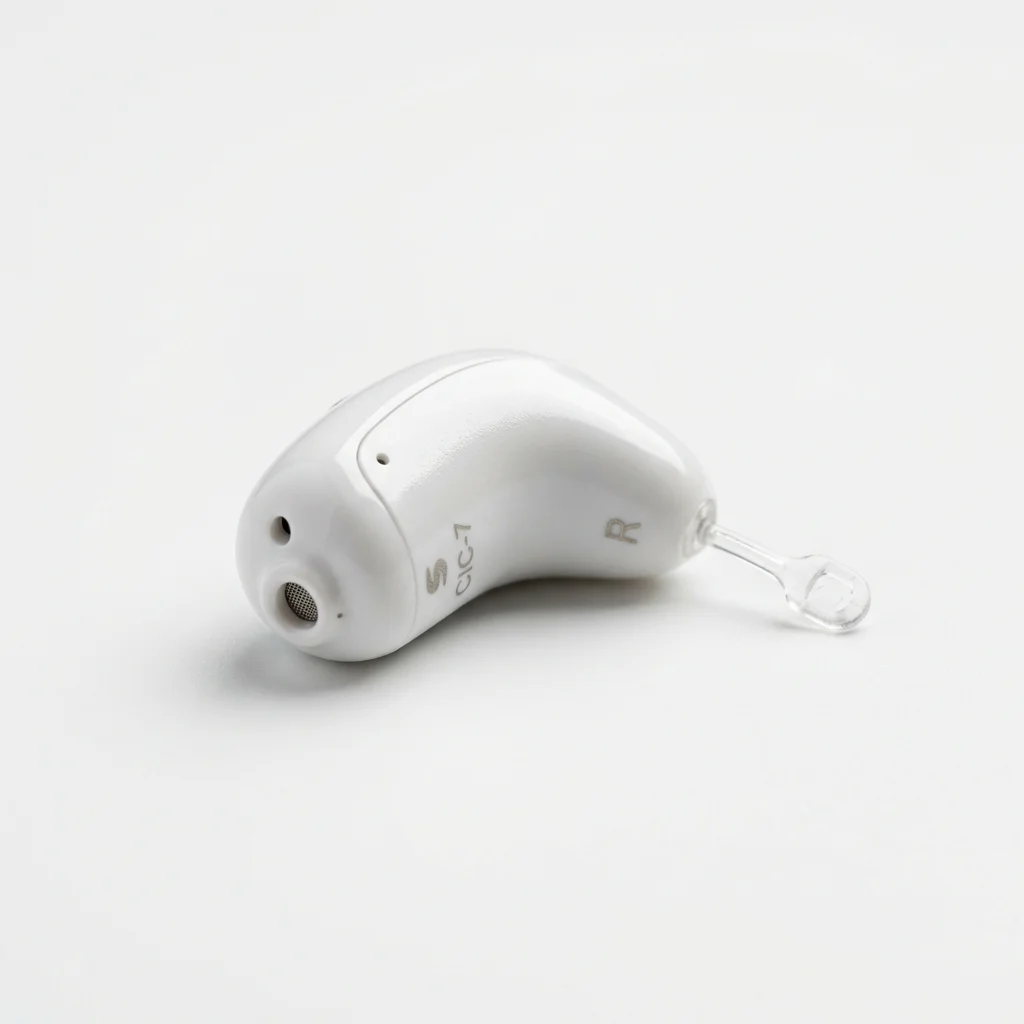
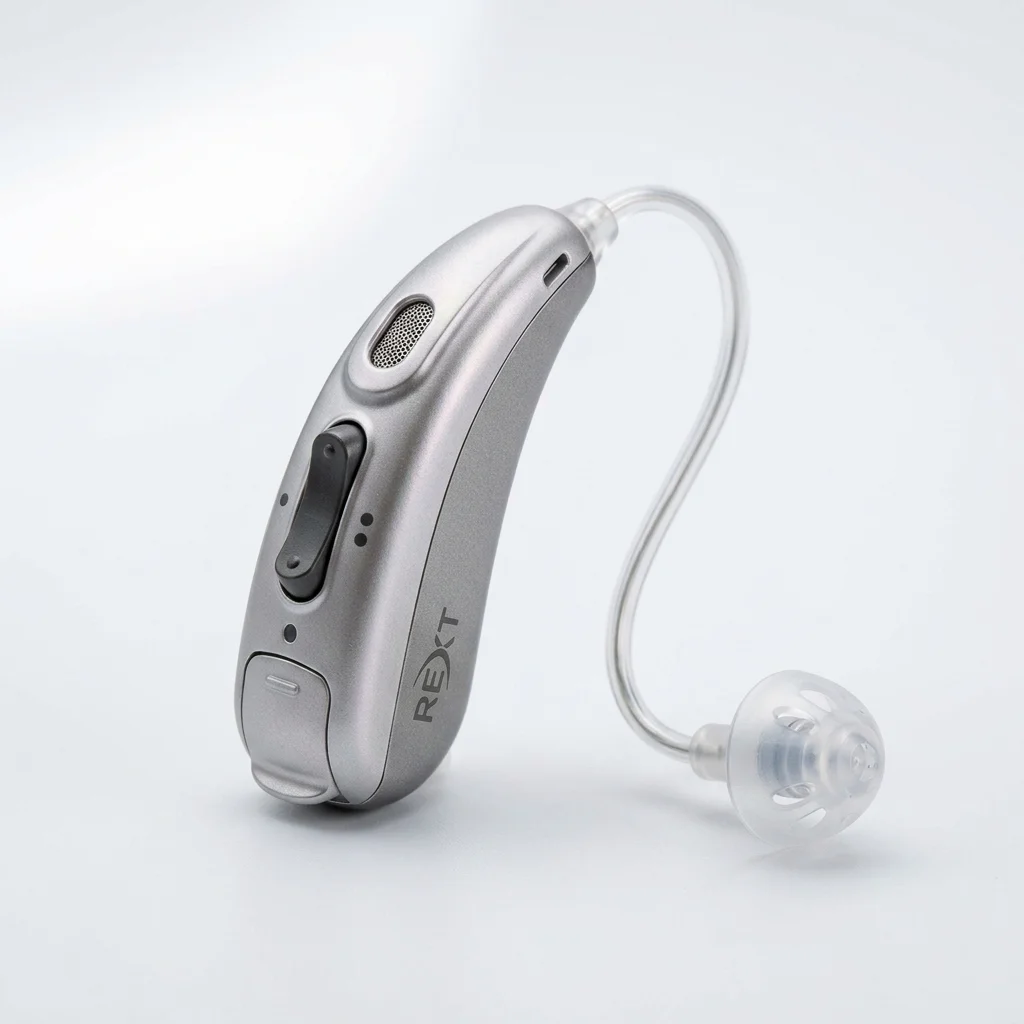
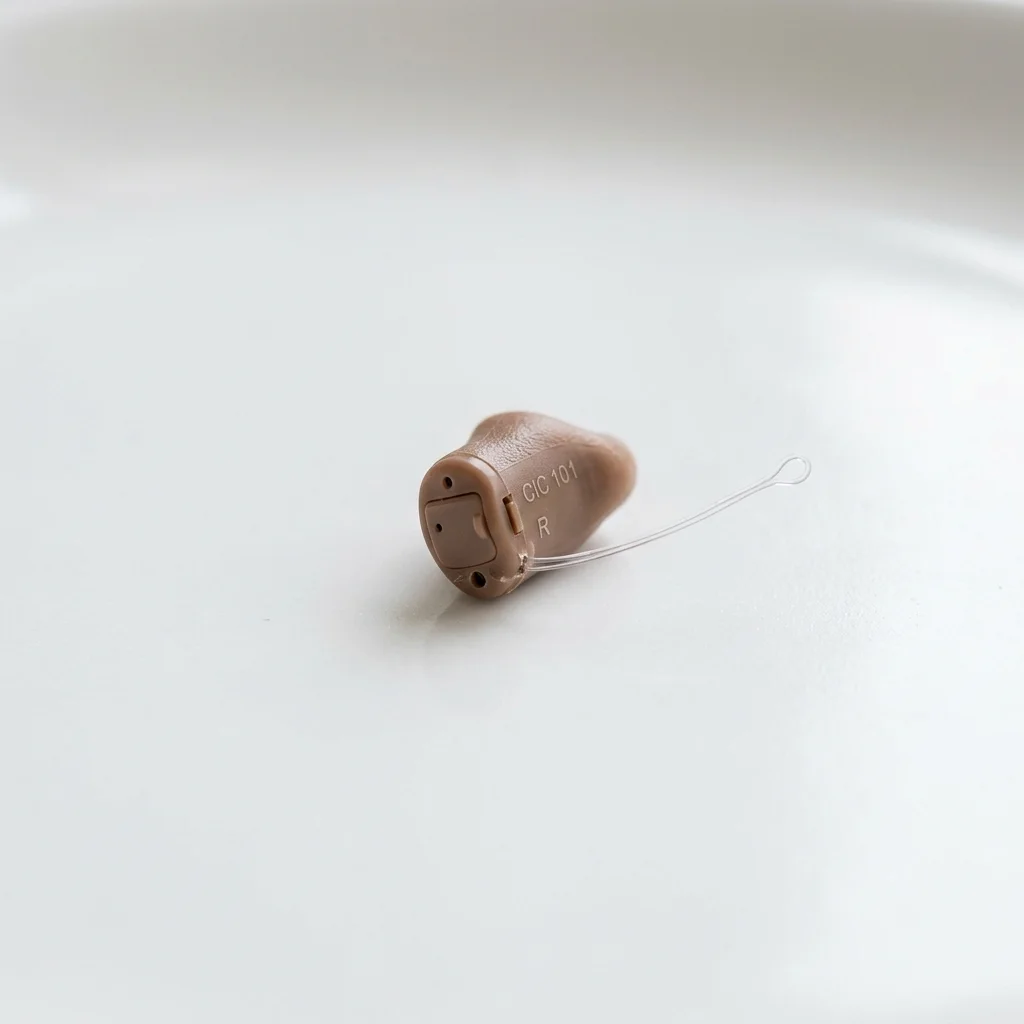
Hearing aids represent one of the most effective tinnitus management tools available. By amplifying external sounds, hearing aids mask the tinnitus sound and address the underlying hearing loss that often triggers tinnitus. Modern hearing aids include sophisticated features specifically designed for tinnitus relief:
- Feedback cancellation: Eliminates whistling and squealing
- Directional microphones: Focus on speech while reducing background noise
- Tinnitus masking programs: Generate white noise or nature sounds to mask tinnitus
- Rechargeable batteries: Eliminate the hassle of tiny disposable batteries
- Telecoil technology: Improves hearing in public venues with loop systems
In our testing of current hearing aid models, we've evaluated several options particularly well-suited for seniors managing tinnitus:
Sound Therapy and Masking Techniques
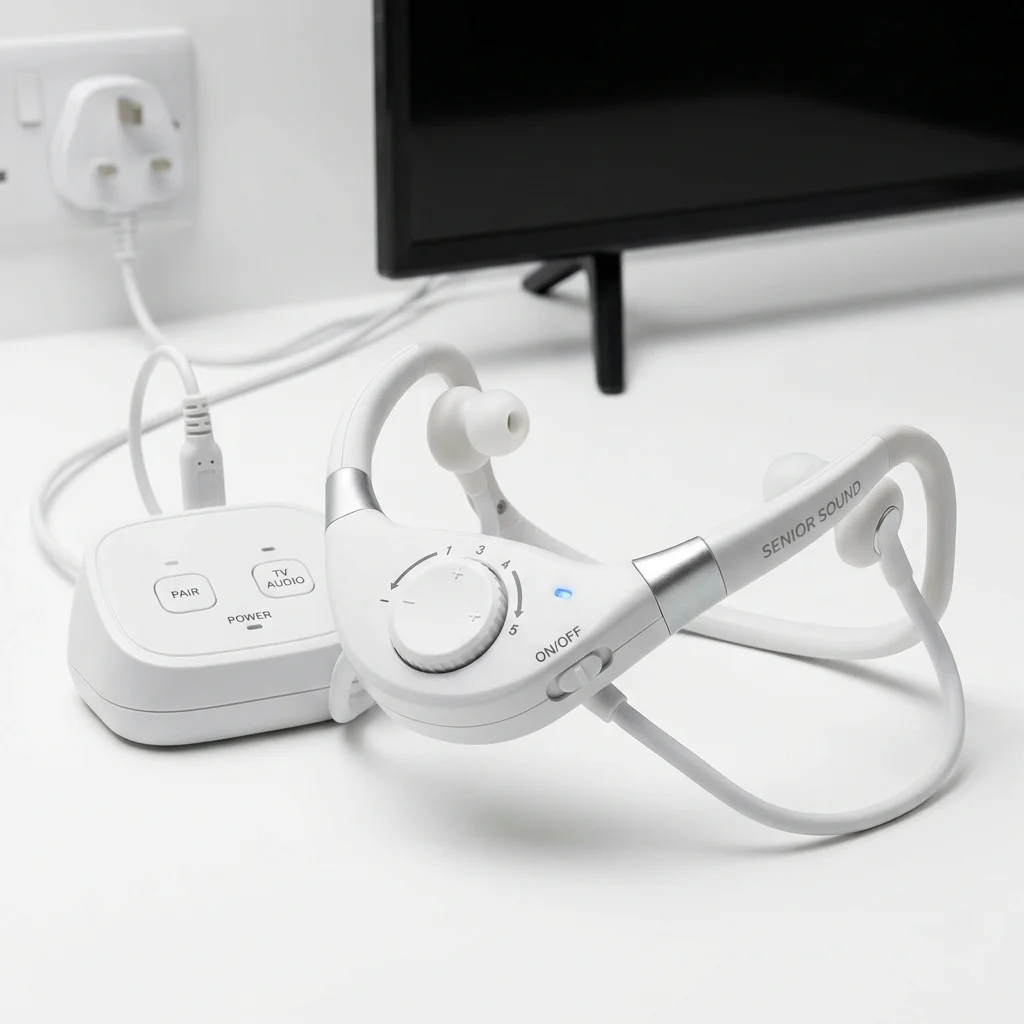
Sound therapy works by introducing external noise that masks tinnitus perception. Effective approaches include:
- White noise machines: Provide consistent background sound for sleep and relaxation
- Nature sound apps: Offer rainfall, ocean waves, or forest sounds
- Tinnitus retraining therapy (TRT): Combines sound therapy with counseling to help your brain habituate to tinnitus
- Cognitive behavioral therapy (CBT): Addresses negative thought patterns and emotional responses to tinnitus
- Mindfulness and relaxation: Meditation and deep breathing reduce tinnitus perception and associated anxiety
Nutritional and Natural Approaches
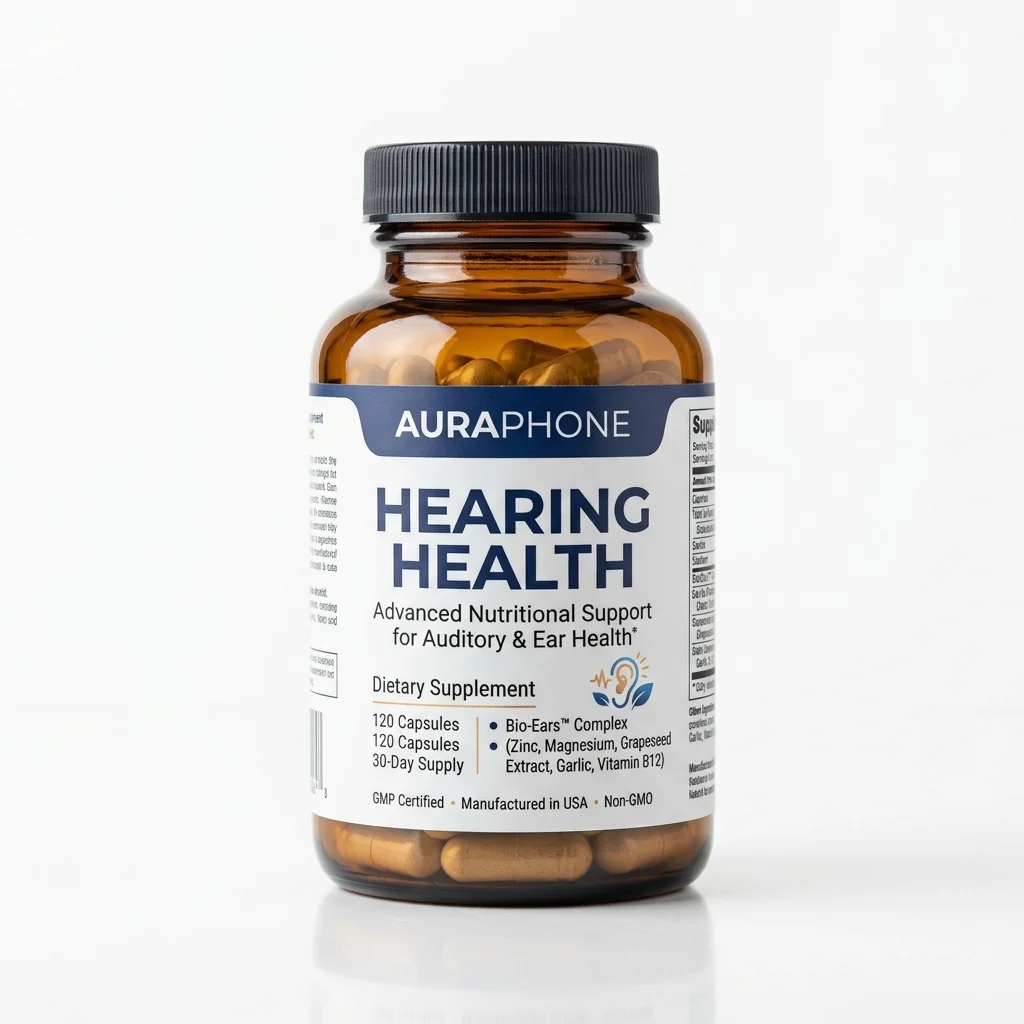
While no supplement cures tinnitus, certain nutritional approaches show promise in clinical research:
- Ginkgo biloba: Some studies suggest modest benefits for tinnitus-related hearing loss
- Zinc supplementation: May help if tinnitus is associated with zinc deficiency
- Magnesium: Supports inner ear function and may reduce tinnitus severity
- Antioxidants: Vitamins A, C, and E protect against age-related hearing damage
Lifestyle Changes to Reduce Tinnitus Symptoms
Environmental Modifications
Your environment significantly impacts tinnitus perception. Our experts recommend:
- Reducing exposure to loud noises (concerts, power tools, traffic)
- Using hearing protection (earplugs or earmuffs) in noisy situations
- Creating a quieter home environment by reducing background noise sources
- Managing workplace noise through protective equipment or schedule adjustments
Sleep Optimization
Sleep disturbance is a common secondary symptom of tinnitus. Improve sleep quality by:
- Establishing consistent sleep and wake times
- Using white noise or nature sounds to mask tinnitus during sleep
- Optimizing bedroom environment (cool, dark, quiet)
- Avoiding caffeine, alcohol, and heavy meals before bedtime
- Practicing relaxation techniques before sleep
Stress and Anxiety Management
Stress amplifies tinnitus perception. Effective stress reduction strategies include:
- Regular physical activity (walking, swimming, yoga)
- Meditation and mindfulness practices
- Social engagement and community involvement
- Hobbies and activities that bring joy and distraction
- Professional counseling or support groups for tinnitus
Dietary and Health Considerations
Nutritional choices impact inner ear health:
- Limit sodium: Excessive salt can worsen inner ear fluid balance and tinnitus
- Reduce caffeine: High caffeine intake may increase tinnitus perception
- Limit alcohol: Alcohol affects inner ear function and sleep quality
- Manage blood pressure: Hypertension contributes to pulsatile tinnitus
- Regular exercise: Improves cardiovascular health and reduces tinnitus severity
FDA OTC Hearing Aid Guidelines for Seniors
Understanding the New OTC Hearing Aid Category
In 2022, the FDA approved a new category of over-the-counter (OTC) hearing aids, expanding access to affordable amplification for seniors with mild to moderate hearing loss. Unlike prescription hearing aids, OTC devices allow self-fitting without professional audiological assessment.
Choosing Between OTC and Prescription Options
Both options have merit depending on your situation:
- OTC hearing aids: More affordable, immediately available, suitable for mild-to-
Related Articles
- → Hearing Loss Symptoms in Elderly: A Complete Guide for Seniors and Their Families
- → The Complete Hearing Loss Guide for Seniors: Understanding, Solutions, and Treatment Options
- → Audien Atom Hearing Aid Review: Is This Affordable OTC Option Right for You?
- → Audien vs Eargo Hearing Aids: Which Is Right for You? A Senior's Complete Comparison Guide