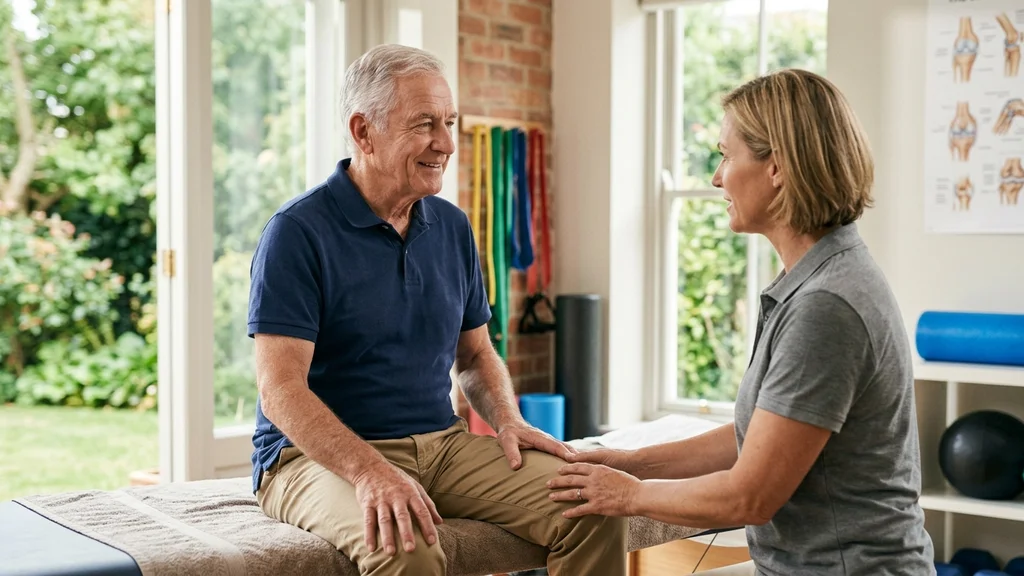
If you're waking up with stiff knees, struggling to climb stairs without discomfort, or finding that your favorite activities are becoming harder due to joint pain, you're not alone. According to the National Institute of Arthritis and Musculoskeletal Diseases (NIAMS), over 32.5 million adults in the United States live with osteoarthritis, with prevalence increasing significantly after age 55. The daily reality of chronic joint inflammation can feel like a gradual loss of independence—but it doesn't have to be inevitable.
What Medical Research and Independent Sources Say About Relief Factor
A frequent question among seniors and caregivers searching for joint relief is what established medical institutions like the Mayo Clinic say about Relief Factor. It is important to clarify that independent non-profit medical centers do not officially endorse or certify specific commercial supplement brands. However, extensive clinical research from medical institutions has thoroughly examined the four core active ingredients found in Relief Factor's botanical formula:
| Active Ingredient | Key Biological Action | Clinical Evidence in Seniors |
|---|---|---|
| Icariin (Epimedium Extract) | Inhibits PDE5 and supports nitric oxide production | Promotes micro-circulation and blood flow to joint tissues. |
| Resveratrol (Japanese Knotweed) | Potent polyphenol antioxidant | Protects chondrocytes (cartilage cells) against oxidative stress and age-related wear. |
| Curcumin (Turmeric Extract) | Downregulates inflammatory enzymes (COX-2 and NF-kB) | Widely studied for reducing joint stiffness and discomfort comparable to mild NSAIDs. |
| EPA / DHA (Fish Oil Omega-3) | Precursor to anti-inflammatory resolvins | Supports systemic anti-inflammatory pathways and joint lubrication. |
Unlike standard glucosamine-only pills, Relief Factor's multi-pathway mechanism targets inflammation rather than just rebuilding structural cartilage. For seniors taking blood thinners or prescription medications, consulting a physician prior to starting remains essential due to the mild anticoagulant effects of high-potency Omega-3s and Curcumin.
As both an orthopedic specialist and geriatric physical therapist, I've spent decades helping older adults navigate joint pain management. Today, we're examining Relief Factor, a heavily marketed dietary supplement that claims to address joint discomfort through a "100% drug-free" approach. But does it actually work for age-related joint pain? Is it safe for seniors taking multiple medications? And most importantly—are there better alternatives tailored to your specific needs?
This comprehensive review combines clinical evidence, safety considerations, and practical mobility strategies to help you make an informed decision about Relief Factor and other joint support options.
What Is Relief Factor? (How It Claims to Target Joint Pain)
Relief Factor is a daily dietary supplement designed to address joint discomfort by targeting systemic inflammation rather than providing temporary pain relief. Unlike over-the-counter NSAIDs (nonsteroidal anti-inflammatory drugs) such as ibuprofen, which block pain signals, Relief Factor claims to work at the cellular level by modulating inflammatory pathways—specifically COX-2 enzymes and gene expression related to chronic inflammation.
The 100% Drug-Free Mechanism
The product positions itself as a natural alternative to pharmaceutical pain management. Instead of masking symptoms, Relief Factor's formulation aims to reduce the underlying inflammatory response that contributes to joint stiffness, swelling, and discomfort. This approach theoretically addresses the root cause of pain rather than simply suppressing it temporarily.
For seniors concerned about long-term NSAID use—which carries documented risks including gastrointestinal bleeding, cardiovascular complications, and kidney stress—this drug-free positioning may seem appealing. However, "natural" doesn't automatically mean "risk-free," especially when combining supplements with prescription medications.
Key Ingredients Breakdown & Clinical Standards
Relief Factor contains four primary active ingredients, each targeting different aspects of the inflammatory cascade:
- Icariin (Epimedium): A botanical compound that may support nitric oxide production, potentially improving blood flow to joint tissues. Clinical evidence for joint-specific benefits remains limited in human trials.
- Resveratrol: A polyphenol antioxidant found in grape skins and berries. Research suggests resveratrol may help protect vascular health and reduce oxidative stress in joint tissues, though bioavailability can be a challenge.
- Curcumin (Turmeric): Perhaps the most studied ingredient in the formula. According to Mayo Clinic research, curcumin demonstrates significant anti-inflammatory properties by inhibiting multiple inflammatory pathways. However, standard curcumin has notoriously poor absorption—a critical consideration when evaluating effectiveness.
- Omega-3 Fatty Acids (EPA/DHA): Fish oil-derived fatty acids that support cell membrane health and demonstrate well-documented anti-inflammatory effects. The Arthritis Foundation recognizes omega-3s as beneficial for reducing joint stiffness and tenderness in inflammatory arthritis conditions.
The formulation combines these ingredients in individual daily packets, requiring users to take multiple capsules and softgels throughout the day. While the multi-ingredient approach targets inflammation from several biological angles, the high pill burden presents practical challenges for many seniors.
💡 Expert Tip: Before purchasing any joint supplement, consult with your occupational therapist or physical therapist. They can assess your specific needs and recommend the most appropriate solution for your condition, especially if you're managing multiple health concerns or taking prescription medications.
Detailed Relief Factor Review: Pros, Cons, and Clinical Safety for Seniors
Key Benefits (Pros) for Adults 55+
From a clinical perspective, Relief Factor offers several potential advantages for older adults managing chronic joint discomfort:
- Multi-pathway anti-inflammatory approach: By combining botanical extracts with omega-3 fatty acids, the formula targets inflammation through multiple biological mechanisms rather than relying on a single ingredient.
- Convenient packaging system: Individual daily sachets help seniors track their intake and maintain consistency—a critical factor for any supplement regimen.
- Reduced NSAID dependence: For seniors experiencing gastrointestinal side effects or cardiovascular concerns from long-term NSAID use, a botanical alternative may provide relief without these specific risks.
- No prescription required: Accessibility without needing doctor authorization appeals to many older adults seeking immediate solutions.
Drawbacks (Cons) & Common Complaints
However, several significant limitations warrant careful consideration:
- Excessive pill burden: Relief Factor requires taking 2-4 packets daily (up to 12 individual capsules and softgels during the initial "QuickStart" phase). For seniors with dysphagia (swallowing difficulties), pill fatigue, or medication management challenges, this regimen can be overwhelming and unsustainable.
- Subscription-based pricing model: The recurring monthly cost ranges from $79.95 to $93.95, making it significantly more expensive than single-ingredient clinical alternatives. Over a year, this represents $960-$1,127 in supplement costs.
- Delayed response time: Unlike fast-acting pain relievers, Relief Factor may require 3-6 weeks of consistent use before noticeable effects occur. This delayed gratification can be frustrating for seniors seeking immediate relief.
- Variable individual response: Clinical evidence suggests that botanical supplements work differently for each person based on genetics, inflammation severity, and overall health status. Some users report significant improvement, while others experience minimal benefit.
Safety Considerations & Medication Interactions
This is where clinical expertise becomes essential. Several ingredients in Relief Factor pose potential interaction risks for seniors taking common medications:
- Blood thinners (Warfarin, Plavix, Eliquis): Resveratrol, curcumin, and omega-3 fatty acids all possess mild antiplatelet effects. According to the American Academy of Orthopaedic Surgeons (AAOS), combining these supplements with prescription anticoagulants increases bleeding risk, particularly concerning before surgical procedures or dental work.
- Gastrointestinal sensitivity: Fish oil can cause "fishy burps," acid reflux, or mild stomach upset—especially problematic for seniors with existing digestive issues or those taking medications on an empty stomach.
- Drug metabolism concerns: Curcumin may affect cytochrome P450 enzymes, potentially altering how the liver processes certain medications including statins, blood pressure medications, and diabetes drugs.
Based on clinical evidence from the National Institute on Aging, any senior taking three or more prescription medications should obtain physician clearance before adding Relief Factor to their regimen. This isn't optional—it's essential for safety.
Is Relief Factor Worth It? Medical Verdict & Expected Outcomes
After evaluating the formulation, clinical evidence, and real-world senior experiences, here's my professional assessment:
Relief Factor works moderately well for mild to moderate systemic inflammatory joint discomfort—the type of generalized achiness and stiffness that affects multiple joints simultaneously. If you're experiencing morning stiffness that improves with movement, or weather-related joint discomfort, Relief Factor's anti-inflammatory approach may provide meaningful benefit.
However, Relief Factor is not appropriate for severe structural joint damage, particularly bone-on-bone osteoarthritis where cartilage has significantly deteriorated. No supplement can regenerate lost cartilage or reverse advanced joint degeneration. In these cases, targeted interventions such as physical therapy, bracing, injections, or surgical consultation become necessary.
Realistic timeline expectations: Studies suggest that botanical anti-inflammatory compounds require consistent use for 3-6 weeks before reaching therapeutic tissue levels. During this period, continue your prescribed medications and physical therapy exercises. Relief Factor should complement—not replace—evidence-based treatments.
According to research published in the Journal of the American Geriatrics Society, the most effective joint pain management for seniors combines multiple strategies: appropriate supplementation, targeted exercise, weight management, and professional guidance. No single pill provides a complete solution.
Relief Factor Alternatives: Comparing Top Joint Support Products
Given Relief Factor's high cost and pill burden, let's examine targeted alternatives that may better suit specific senior needs:
Theracurmin HP (Best for High-Absorption Anti-Inflammatory Support)
Theracurmin HP addresses one of curcumin's biggest limitations: poor bioavailability. Using advanced colloidal dispersion technology, this formulation achieves 47 times greater absorption than standard curcumin extracts—meaning more active compound reaches your bloodstream and joint tissues.
Clinical advantages: Higher bioavailability means you can take fewer pills while achieving superior anti-inflammatory effects. Research published in Molecular Nutrition & Food Research demonstrates that enhanced-absorption curcumin formulations produce measurably higher blood levels of active compounds.
Considerations for seniors: The formulation includes piperine (black pepper extract) to further enhance absorption, which may cause mild gastrointestinal upset in sensitive individuals. The higher price point ($59.95) reflects the advanced delivery technology.

TruFlex 7 Collagen (Best for Cartilage Preservation & Joint Comfort)
While Relief Factor targets inflammation, TruFlex 7 takes a different approach by providing structural building blocks for cartilage maintenance. The key ingredient—Undenatured Type II Collagen (UC-II)—works through oral tolerance mechanisms to support joint cartilage integrity.
According to the Arthritis Foundation, clinical trials show that UC-II supplementation can help preserve joint space width and reduce discomfort in individuals with mild to moderate osteoarthritis. This makes it particularly valuable for seniors concerned about cartilage deterioration rather than just inflammation.
Important allergen warning: TruFlex 7 contains egg and shellfish derivatives. Seniors with these allergies must avoid this product.

Flexifort (Best Traditional Glucosamine & Chondroitin Formula)
Flexifort represents the classic approach to joint supplementation: providing glucosamine and chondroitin, the fundamental building blocks of cartilage and synovial fluid. While newer formulations have emerged, these compounds remain among the most studied joint supplements with decades of clinical research.
Studies cited by the National Institute of Arthritis and Musculoskeletal Diseases show mixed results for glucosamine and chondroitin, with some individuals experiencing significant benefit while others notice minimal change. Response appears highly individual, possibly related to the severity of cartilage loss and inflammatory status.
Practical consideration: Flexifort capsules are notably large, which presents swallowing challenges for seniors with dysphagia or pill aversion. The online-only availability may also be inconvenient for those preferring in-store purchases.
Copper Fit Knee Brace (Best Non-Invasive Structural Support)
Sometimes the most effective joint support doesn't come in a bottle. Compression bracing provides immediate mechanical benefits: improved proprioception (joint position awareness), mild stabilization, and warmth that can reduce stiffness.
From a physical therapy perspective, knee braces like Copper Fit serve as excellent adjuncts to supplement regimens. The compression improves blood flow, while the structural support reduces excessive joint movement that can aggravate inflammation. At $19.99, it's also the most affordable option reviewed here.
Limitations: This is not a medical-grade orthotic device. For significant instability, ligament injuries, or post-surgical support, you need a professionally fitted brace prescribed by an orthopedic specialist or physical therapist.

Physical Therapy Strategies to Maximize Joint Relief
Here's a critical truth that supplement companies rarely emphasize: Pills alone cannot restore joint function. As a geriatric physical therapist, I've seen countless seniors invest hundreds of dollars in supplements while neglecting the movement strategies that actually rebuild strength and mobility.
The most effective approach combines appropriate supplementation with targeted exercise. Here are evidence-based strategies to maximize your joint health:
Low-Impact Movement for Joint Lubrication
Synovial fluid—your joints' natural lubricant—circulates most effectively during gentle, repetitive movement. According to the American College of Rheumatology, the following activities provide optimal joint benefits without excessive loading:
- Water aerobics: Buoyancy reduces joint stress by up to 90% while providing gentle resistance for muscle strengthening.
- Recumbent cycling: Seated position eliminates balance concerns while promoting knee and hip range of motion.
- Chair yoga: Modified poses improve flexibility and reduce stiffness without floor transfers that challenge many seniors.
Quadriceps & Glute Strengthening
Strong thigh and hip muscles act as shock absorbers, reducing mechanical stress on knee and hip joints. Research published in the Journal of Orthopaedic & Sports Physical Therapy demonstrates that quadriceps strengthening reduces knee pain as effectively as some medications.
Simple exercise to try: Seated straight-leg raises. While sitting in a sturdy chair, straighten one knee and hold for 5 seconds. Repeat 10 times per leg, twice daily. This isometric exercise strengthens the quadriceps without joint compression.
Morning Stiffness Protocol
Many seniors experience their worst joint pain immediately upon waking. Before getting out of bed, perform gentle active range-of-motion exercises:
- Ankle circles (10 each direction)
- Knee bends (sliding heel toward buttocks, 10 repetitions)
- Hip rotations (knee to chest, then out to side, 5 repetitions each leg)
These movements circulate synovial fluid and reduce the "gelling" effect that causes morning stiffness. Based on clinical evidence, this 5-minute routine can significantly improve your first steps of the day.