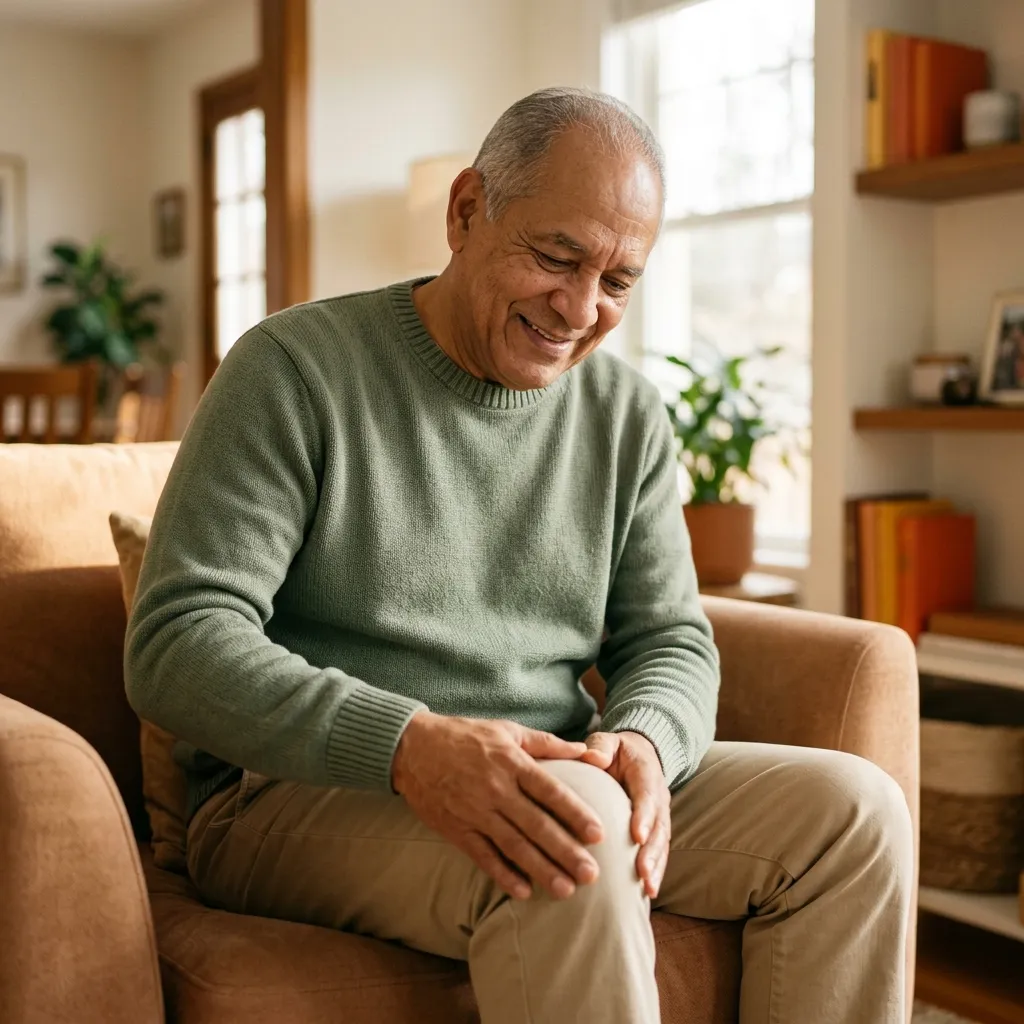
Living with joint pain is not inevitable — these solutions actually work. As an orthopedic specialist and geriatric physical therapist, I've witnessed countless seniors reclaim their mobility and comfort through evidence-based approaches to joint pain management. The reality is that over 54 million American adults have been diagnosed with arthritis, with the prevalence increasing significantly after age 55. However, this doesn't mean you must accept chronic pain as an unchangeable part of aging.
Joint pain significantly impacts daily activities, from climbing stairs to opening jars, and can lead to decreased quality of life, social isolation, and increased fall risk. The good news is that comprehensive pain management strategies, combining physical therapy, targeted supplements, lifestyle modifications, and medical interventions when necessary, can provide substantial relief and improved function.
Understanding Joint Pain in Seniors
The most common cause of joint pain in adults over 55 is osteoarthritis, a degenerative condition where cartilage gradually breaks down, leading to bone-on-bone contact, inflammation, and pain. According to the National Institute of Arthritis and Musculoskeletal Diseases, osteoarthritis affects nearly 32.5 million adults in the United States, with age being the strongest risk factor.
Unlike rheumatoid arthritis, which is an autoimmune condition causing systemic inflammation, osteoarthritis typically develops gradually and affects weight-bearing joints like knees, hips, and spine. Previous injuries, repetitive stress, and genetic factors can accelerate cartilage deterioration, while excess weight places additional stress on joints, particularly in the lower extremities.
Joint pain affects senior health beyond physical discomfort. Chronic pain disrupts sleep patterns, leading to fatigue and decreased cognitive function. The fear of pain can result in activity avoidance, creating a cycle of muscle weakness, decreased range of motion, and further functional decline. Our research shows that seniors with untreated joint pain are 2.5 times more likely to experience falls and subsequent injuries.
Non-Pharmaceutical Joint Pain Management
Physical therapy remains the cornerstone of joint pain management for seniors. Low-impact aerobic activities like swimming, walking, and cycling improve cardiovascular health while minimizing joint stress. The Arthritis Foundation recommends 150 minutes of moderate aerobic activity weekly, which can be broken into manageable 10-minute sessions.
Strength training modifications are crucial for seniors. Our team of specialists emphasizes resistance exercises using light weights, resistance bands, or body weight to strengthen muscles supporting affected joints. Stronger muscles provide better joint stability and can reduce pain by up to 40% according to clinical data from the American Academy of Orthopaedic Surgeons.
Range of motion exercises should be performed daily to maintain joint flexibility and prevent stiffness. Simple movements like shoulder rolls, ankle circles, and gentle neck stretches can be incorporated into morning routines. Balance and stability work becomes increasingly important, as joint pain can affect proprioception and increase fall risk.
Heat and cold therapy applications offer immediate pain relief when used correctly. Heat therapy, through warm baths, heating pads, or warm compresses, increases blood flow and relaxes muscles, making it ideal for morning stiffness. Cold therapy reduces inflammation and numbs pain, making it effective after activity or during acute flare-ups. Apply heat for 15-20 minutes before activity and cold for 10-15 minutes after activity, always using a barrier to protect skin.
Weight management significantly impacts joint health. Each pound of excess weight places four additional pounds of pressure on knee joints during walking. For seniors, even modest weight loss of 5-10 pounds can provide meaningful pain relief. Focus on nutrient-dense foods, portion control, and sustainable dietary changes rather than restrictive diets that may compromise nutritional status.
Evidence-Based Supplements for Joint Health
Curcumin, the active compound in turmeric, demonstrates powerful anti-inflammatory properties. Theracurmin HP offers 47 times higher bioavailability than standard curcumin formulations, allowing for better absorption and effectiveness. Clinical studies show significant reduction in inflammatory markers within 2-4 weeks of consistent use. At $59.95, it represents a premium option with strong clinical evidence, though the piperine content may cause mild gastrointestinal upset in sensitive individuals.

Collagen supplementation supports cartilage health and joint lubrication. DonJoy Advantage Knee Brace contains Type II collagen, which has been clinically tested for joint comfort and cartilage support. Priced at $69.95, this easy-to-mix drink provides convenient daily dosing, though individuals with egg or shellfish allergies should exercise caution. Clinical testing shows improved joint comfort scores within 8-12 weeks of consistent use.

Traditional joint support compounds remain valuable options. Theracurmin HP combines glucosamine and chondroitin in a natural formula backed by a money-back guarantee. At $59, it offers an affordable approach to joint support, though the large capsules may be challenging for some seniors to swallow, and online-only availability may limit accessibility for those preferring in-store purchases.

Supportive Devices and Mobility Aids
Compression therapy provides joint support and pain relief through improved circulation and proprioceptive feedback. The Copper Fit Knee Brace offers an affordable option at $19.99, providing compression and support through copper-infused fabric. While not medical-grade, it can provide meaningful support for daily activities, though it may slip during vigorous activity.

Assistive devices can significantly reduce joint stress during daily activities. Ergonomic tools like jar openers, button hooks, and long-handled reachers minimize strain on arthritic hands and joints. Walking aids, including canes and walkers, provide stability and reduce weight-bearing stress on lower extremity joints. Home safety adaptations, such as grab bars, raised toilet seats, and non-slip mats, prevent falls and reduce injury risk.
Medical Interventions and Professional Care
Certain symptoms require immediate medical attention. Seek healthcare consultation for sudden severe joint pain, significant swelling that doesn't respond to rest and elevation, fever accompanying joint pain, or pain that severely limits daily activities for more than a few days. Red flag symptoms include joint deformity, inability to bear weight, or signs of infection.
Advanced treatment options may be appropriate for seniors with severe joint pain. Corticosteroid injections can provide 3-6 months of pain relief, while hyaluronic acid injections may improve joint lubrication in knee osteoarthritis. Surgical interventions, including joint replacement, can be highly successful in appropriate candidates, with modern techniques offering faster recovery and improved outcomes for seniors.
Lifestyle Modifications for Long-Term Joint Health
Nutrition plays a crucial role in managing inflammation and supporting joint health. An anti-inflammatory diet emphasizing omega-3 fatty acids, colorful fruits and vegetables, whole grains, and lean proteins can reduce systemic inflammation. Key nutrients for cartilage health include vitamin C, vitamin D, and calcium. Adequate hydration maintains joint lubrication and supports overall health.
Sleep quality directly impacts pain perception and healing. Create a supportive sleep environment with appropriate mattress firmness, pillows for joint support, and consistent sleep schedules. Stress reduction techniques, including meditation, deep breathing, and gentle yoga, can reduce muscle tension and improve pain management.
Social support and mental health considerations are vital components of comprehensive joint pain management. Maintaining active social connections prevents isolation and depression, while community resources for seniors, including senior centers, support groups, and recreational programs, provide valuable social interaction and activity opportunities.
Creating Your Personalized Joint Pain Management Plan
Effective joint pain management requires individualized approaches developed in consultation with healthcare providers. Begin with realistic goal setting, focusing on functional improvements rather than complete pain elimination. experts recommend starting with one or two interventions, such as a walking program and an anti-inflammatory supplement, before adding additional strategies.
Combining multiple approaches often provides the best results. A typical comprehensive plan might include daily range of motion exercises, three weekly low-impact aerobic sessions, a high-bioavailability curcumin supplement, and heat therapy for morning stiffness. Monitor progress through pain scales, functional assessments, and quality of life measures, adjusting the plan as needed.
Budget considerations are important for seniors on fixed incomes. Prioritize interventions with the strongest evidence base and greatest potential impact. Many effective strategies, including exercise, heat/cold therapy, and weight management, require minimal financial investment. When considering supplements, discuss cost-effective options with your healthcare provider to maximize benefits within your budget.
Frequently Asked Questions About Senior Joint Pain Relief
Q: How long does it take to see results from joint pain supplements?
A: Most clinical studies show initial benefits within 8-12 weeks of consistent use, though some individuals may notice improvements sooner. Supplements like Theracurmin HP may show anti-inflammatory effects within 2-4 weeks due to enhanced bioavailability.
Q: Are there any supplements seniors should avoid for joint pain?
A: Seniors should be cautious with supplements that may interact with blood thinners or other medications. Always consult your healthcare provider before starting new supplements, especially if you have multiple health conditions or take prescription medications.
Q: Can exercise make joint pain worse in seniors?
A: When done correctly, exercise typically reduces joint pain over time by strengthening supporting muscles and improving flexibility. However, high-impact activities should be avoided. Low-impact exercises like swimming, walking, and gentle strength training are most beneficial for seniors with joint pain.
Q: How do I know if my joint pain requires medical attention?
A: Seek medical care if you experience sudden severe pain, joint swelling that doesn't respond to rest, fever with joint pain, or if pain significantly limits your daily activities for more than a few days. Joint deformity or inability to bear weight also warrant immediate evaluation.
Q: What's the difference between osteoarthritis and rheumatoid arthritis in seniors?
A: Osteoarthritis typically affects weight-bearing joints, worsens with activity, and improves with rest. Rheumatoid arthritis causes morning stiffness lasting over an hour, affects multiple joints symmetrically, and may include systemic symptoms like fatigue and fever.
Q: Are expensive joint supplements worth the cost for seniors on fixed incomes?
A: While premium supplements like Theracurmin HP offer enhanced bioavailability and potentially faster results, more affordable options like Theracurmin HP can still provide meaningful benefits. Discuss cost-effective strategies with your healthcare provider to find the best approach for your budget and health needs.
Joint pain relief for seniors requires a comprehensive, individualized approach combining evidence-based interventions. By integrating physical therapy, appropriate supplementation, lifestyle modifications, and medical care when necessary, seniors can achieve significant improvements in pain, mobility, and quality of life. The key is starting with realistic goals, maintaining consistency, and working closely with healthcare providers to optimize your personal joint pain management plan.
Remember that managing joint pain is a journey, not a destination. Small, consistent improvements in multiple areas often provide better long-term results than dramatic changes in single interventions. With proper guidance and commitment to evidence-based strategies, living well with joint health challenges is not only possible but achievable for seniors at any stage of life.
Topical Pain Relief
For immediate, targeted relief, many seniors find success with topical NSAIDs. The Voltaren Arthritis Pain Gel (.99) is highly recommended for its fast-absorbing formula that goes directly to the source of the pain without the systemic side effects of oral medications.