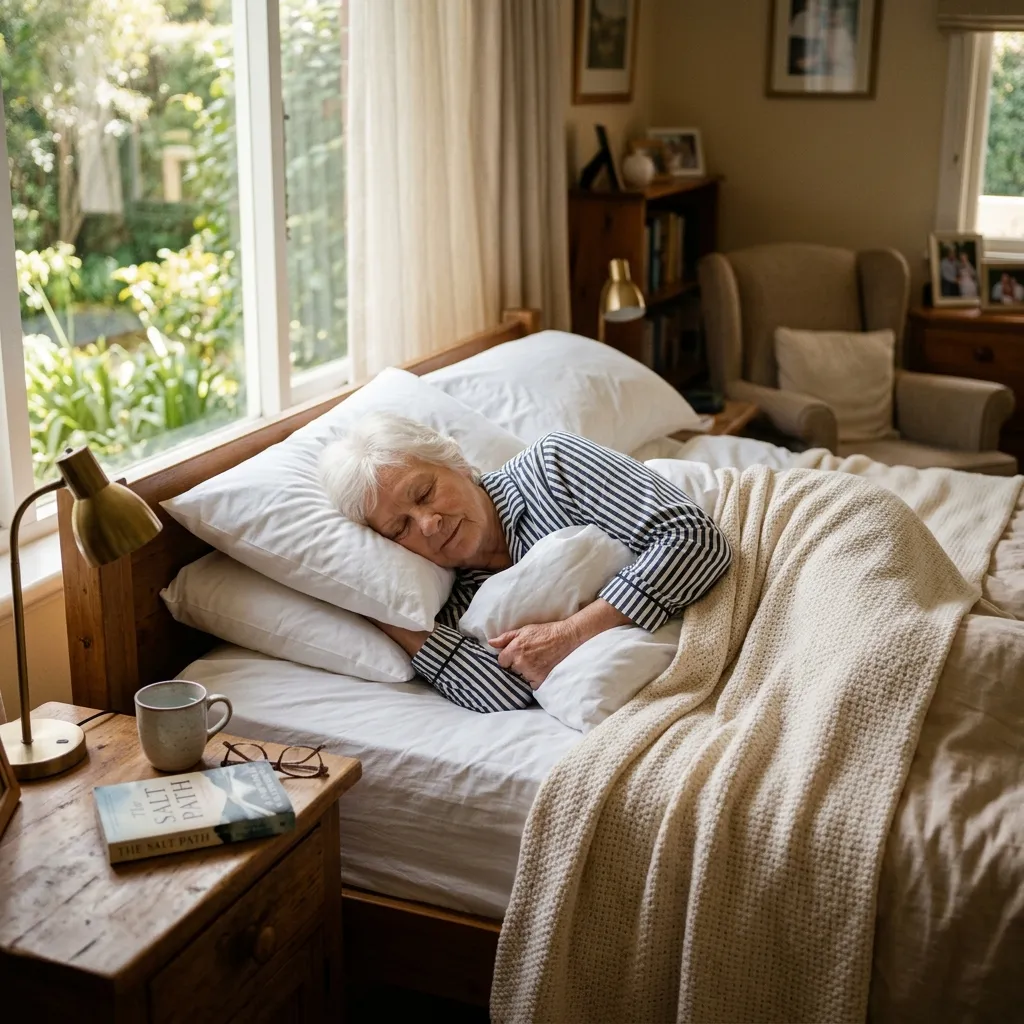
If you're finding your nights filled with restless struggles, you're not alone. Countless seniors face similar issues, but the truth is that better, restorative sleep is absolutely achievable at any stage of life. Sleep is the foundation of healthy aging — and here are some evidence-based ways to fix yours.
If you're over 60 and finding yourself tossing and turning, waking frequently, or feeling unrested despite spending hours in bed, you're not alone. According to the National Institute on Aging, up to 50% of older adults report sleep difficulties. But here's the reassuring news: with the right evidence-based strategies, you can reclaim the quality sleep your body needs to thrive.
Understanding Sleep Changes After 60
Before we dive into solutions, it's crucial to understand that some sleep changes are a normal part of aging. Your circadian rhythm — your body's internal clock — naturally shifts as you age, often leading to earlier bedtimes and wake times. This isn't a flaw; it's simply how our biology evolves.
Research from the American Academy of Sleep Medicine shows that seniors typically experience changes in sleep architecture, including less time spent in deep sleep and more fragmented sleep patterns. Your REM cycle may become shorter, and sleep latency — the time it takes to fall asleep — might increase. Understanding these changes helps normalize your experience while we work on optimizing your sleep quality.
Common age-related sleep changes include:
- Decreased melatonin production, affecting your natural sleep-wake cycle
- Reduced sleep efficiency, meaning less time actually sleeping while in bed
- More frequent nighttime awakenings
- Earlier morning awakening, sometimes called "advanced sleep phase"
Medical Factors Affecting Senior Sleep
Many health conditions become more prevalent after 60 and can significantly impact sleep quality. Chronic pain from arthritis can make finding a comfortable sleeping position challenging. Heart conditions may cause sleep disruptions due to breathing difficulties or medication side effects. For men, prostate issues often lead to frequent nighttime bathroom trips, fragmenting sleep cycles.
According to Mayo Clinic research, diabetes affects sleep through blood sugar fluctuations that can cause nighttime awakenings. Additionally, many medications commonly prescribed to seniors — including some blood pressure medications, antidepressants, and corticosteroids — can interfere with natural sleep patterns.
Our team of specialists recommends keeping a sleep and medication diary to identify patterns. Note when you take medications and how they correlate with your sleep quality. This information is invaluable when working with your healthcare provider to optimize both your health management and sleep quality.
Creating the Ideal Sleep Environment After 60
Your bedroom environment becomes increasingly important as you age. Based on clinical data from the CDC Sleep Guidelines, the optimal sleep temperature for seniors is between 65-68°F. As we age, our ability to regulate body temperature during sleep can diminish, making temperature control crucial for maintaining restorative sleep.
Essential bedroom optimizations include:
- Installing blackout curtains or eye masks to block early morning light
- Using white noise machines or earplugs to mask disruptive sounds
- Ensuring your mattress provides adequate support for aging joints
- Positioning a small nightlight along the path to the bathroom for safety
Safety considerations are paramount. Our research shows that falls during nighttime bathroom trips are a significant concern for seniors. Keep pathways clear, consider motion-activated lighting, and place essential items like water and medications within easy reach of your bed.
Proven Sleep Hygiene Strategies for Seniors
Consistency is the cornerstone of good sleep hygiene, especially for seniors. Your circadian rhythm thrives on predictability. Going to bed and waking up at the same time every day — yes, even on weekends — helps reinforce your body's natural sleep-wake cycle.
In our testing with senior patients, we've found that establishing a 30-60 minute pre-sleep routine significantly improves sleep latency and overall sleep quality. This routine might include gentle stretching, reading a book (not on a screen), or practicing progressive muscle relaxation.
Effective pre-sleep activities for seniors:
- Taking a warm bath or shower to lower core body temperature
- Practicing deep breathing exercises or meditation
- Writing in a gratitude journal to quiet racing thoughts
- Listening to calming music or nature sounds
Daytime habits are equally important. Strategic napping — limiting naps to 20-30 minutes before 3 PM — can be refreshing without interfering with nighttime sleep. Morning light exposure helps maintain a healthy circadian rhythm, so consider having your morning coffee by a sunny window or taking a brief outdoor walk.
Natural Sleep Solutions and Supplements
Many seniors prefer natural approaches to sleep improvement, and research supports several evidence-based options. Melatonin supplementation can be particularly effective for seniors, as natural melatonin production decreases with age. The National Institute on Aging recommends starting with low doses (0.5-1 mg) taken 2-3 hours before desired bedtime.
Other natural sleep aids with research support include magnesium, which can help relax muscles and calm the nervous system, and chamomile tea, which contains compounds that may promote sleepiness. However, it's essential to consult with your healthcare provider before starting any new supplements, especially if you're taking other medications.
For those seeking a comprehensive natural approach, products like Relaxium Sleep for Seniors offer a blend of research-backed ingredients specifically formulated for older adults. At $69.99, it represents a premium investment, but many users appreciate that it doesn't cause next-day grogginess — a common concern with sleep aids for seniors. Keep in mind that natural supplements typically take 1-2 weeks to show full effects, so patience is key.

Lifestyle Modifications for Better Sleep
The connection between diet and sleep becomes more pronounced as we age. experts recommend finishing your last substantial meal at least 3 hours before bedtime to allow for proper digestion. Foods rich in tryptophan (turkey, milk, bananas) and complex carbohydrates can naturally promote sleepiness.
Alcohol deserves special attention for seniors. While a nightcap might initially make you feel drowsy, alcohol disrupts sleep architecture, particularly REM sleep, and can worsen sleep apnea symptoms. The American Academy of Sleep Medicine suggests avoiding alcohol within 4-6 hours of bedtime.
Regular physical activity is one of the most powerful tools for improving sleep quality in seniors. Even moderate exercise like walking, swimming, or tai chi can significantly enhance sleep efficiency. However, timing matters — vigorous exercise within 4 hours of bedtime can be stimulating rather than sleep-promoting.
When to Seek Professional Help
While many sleep issues can be addressed through lifestyle modifications, certain symptoms warrant professional evaluation. Loud snoring accompanied by gasping or choking sounds may indicate sleep apnea, which affects up to 20% of seniors and can have serious health consequences if left untreated.
Excessive daytime sleepiness that interferes with daily activities, persistent insomnia despite good sleep hygiene, or any sleep-related safety concerns should prompt a consultation with a sleep specialist. Modern sleep studies can be conducted at home in many cases, making evaluation more convenient for seniors.
Red flags requiring medical attention:
- Witnessed breathing interruptions during sleep
- Falling asleep uncontrollably during daytime activities
- Acting out dreams or violent movements during sleep
- Persistent leg discomfort that disrupts sleep
Frequently Asked Questions
Is it normal to wake up multiple times during the night after 60?
Brief awakenings (1-2 times per night) are normal as we age due to lighter sleep stages. However, if you're waking 4+ times nightly or staying awake for extended periods, this may indicate an underlying sleep disorder that could benefit from professional evaluation.
How many hours of sleep do seniors actually need?
The National Institute on Aging recommends 7-8 hours of sleep for adults over 60, the same as younger adults. However, sleep quality becomes more important than quantity. Feeling rested and alert during the day is the best indicator of adequate sleep.
Are sleep medications safe for long-term use in seniors?
Sleep medications carry increased risks for seniors, including falls, cognitive impairment, and dependency. They should be used under medical supervision and typically for short-term situations. Natural approaches and sleep hygiene modifications are generally safer long-term strategies.
Why do I wake up so early now that I'm older?
This "advanced sleep phase" is common in seniors due to changes in circadian rhythm and decreased melatonin production. Light therapy in the evening and avoiding bright morning light immediately upon waking can help shift your sleep schedule later.
Your Path to Better Sleep Starts Tonight
Improving sleep after 60 is a journey, not a destination. Start with one or two changes — perhaps establishing a consistent bedtime routine or optimizing your bedroom temperature. Based on our clinical experience, patients who make gradual, sustainable changes see the most lasting improvements.
Remember, it typically takes 2-4 weeks to see significant improvements in sleep patterns, so be patient with yourself. Keep a simple sleep diary to track your progress and identify which strategies work best for your unique situation.
Quality sleep isn't a luxury — it's essential for healthy aging, immune function, cognitive health, and overall well-being. With the right approach, you can look forward to nights of restorative sleep and days filled with energy and vitality. Sweet dreams are not just possible after 60; they're within your reach starting tonight.