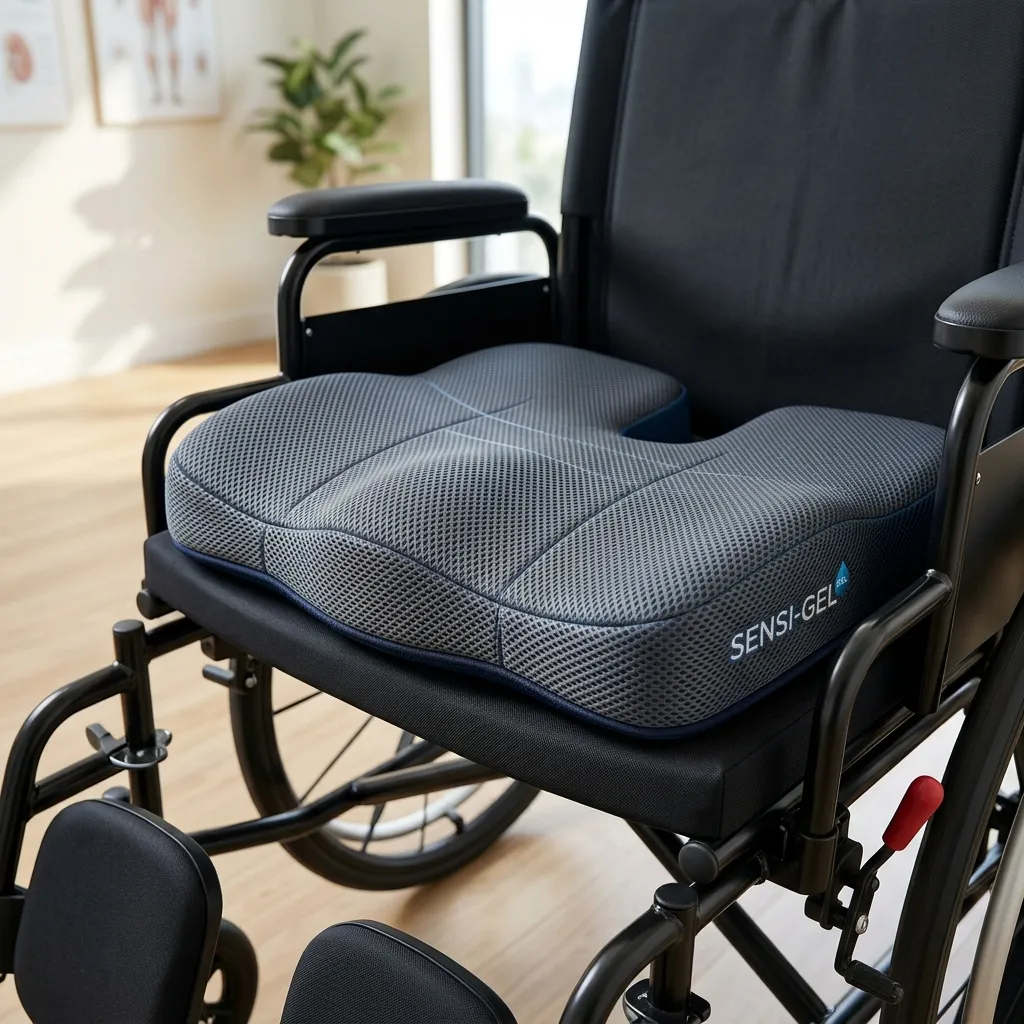
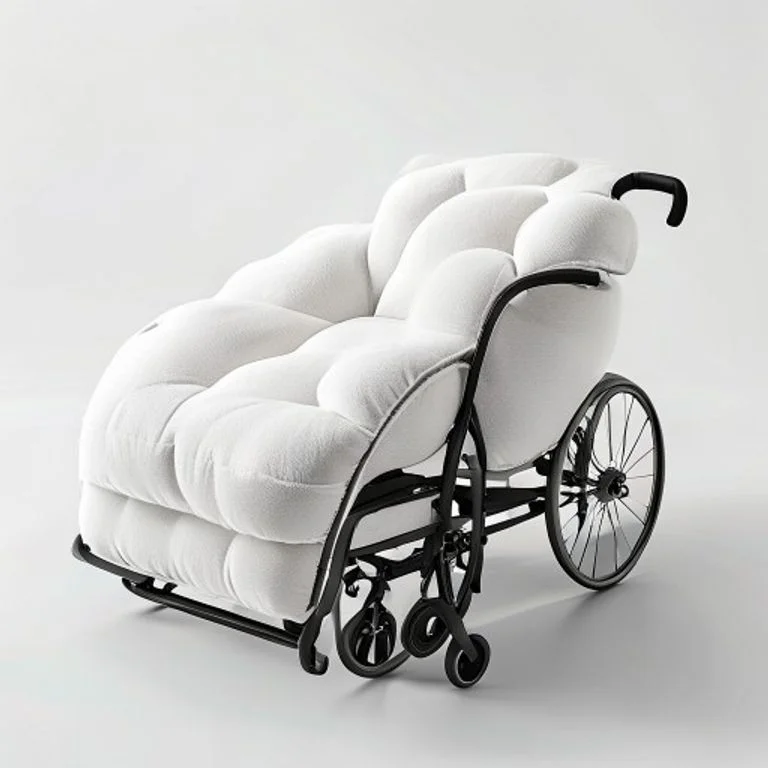
Why Wheelchair Cushion Quality Matters for Seniors
If you spend several hours a day in a wheelchair, the cushion beneath you is far more than a comfort feature—it's a critical tool for preventing serious skin complications. According to the National Council on Aging, pressure sores (also called pressure ulcers or bedsores) affect approximately 2.5 million Americans annually, with seniors and individuals with limited mobility at highest risk. The good news? Choosing the right wheelchair cushion, combined with proper skin care and regular repositioning, can significantly reduce your pressure injury risk and help you maintain independence longer.
As a certified occupational therapist specializing in aging-in-place solutions, I've worked with hundreds of seniors to find cushions that genuinely prevent pressure damage while remaining comfortable enough for daily use. This guide shares evidence-based recommendations to help you make an informed decision about one of the most important mobility investments you'll make.
What This Guide Covers
You'll learn:
- How pressure sores develop and why seniors face higher risk
- Key features to evaluate when selecting a wheelchair cushion
- Honest product recommendations with pros, cons, and pricing
- Complementary mobility aids that reduce pressure injury risk
- Prevention strategies beyond cushioning alone
- Safety considerations and when to consult healthcare providers
How Pressure Sores Develop: The Science Behind Prevention
Understanding the Pressure Injury Timeline
Pressure sores develop in stages, and understanding this progression helps explain why prevention is so critical:
- Stage 1: Skin appears red or discolored but isn't broken. The area may feel warm or firm to touch.
- Stage 2: Skin breaks, creating a blister or shallow open wound. Pain and swelling increase.
- Stage 3: The wound deepens, extending into tissue beneath the skin. Healing becomes significantly more difficult.
- Stage 4: Damage extends to muscle and bone. Serious infection risk and extended healing (months to years) are common.
The critical insight: Stage 1 pressure sores can develop in as little as 2-4 hours of continuous pressure on the same area. This is why the right cushion—combined with regular repositioning—is essential for seniors who spend extended time in wheelchairs.
Why Seniors Face Higher Pressure Injury Risk
According to the CDC, several age-related factors increase pressure sore risk in older adults:
- Thinner, more fragile skin: Aging reduces skin elasticity and protective layers, making tissue damage more likely.
- Reduced circulation: Aging affects blood flow, slowing the body's ability to deliver oxygen and nutrients to skin tissue.
- Limited mobility: Seniors with reduced strength or balance may struggle to reposition themselves frequently.
- Moisture and incontinence: Prolonged moisture from incontinence breaks down skin integrity and increases infection risk.
- Chronic conditions: Diabetes, heart disease, and other conditions common in seniors impair healing.
Research published by the National Institute on Aging shows that seniors over 75 with mobility limitations face 4-5 times higher pressure injury risk than active older adults. This underscores why investing in proper cushioning and prevention strategies is so important.
The Critical Role of Cushioning
A quality wheelchair cushion serves one primary function: redistributing your body weight across a larger surface area to reduce pressure on vulnerable areas like your tailbone, hips, and heels. By spreading weight more evenly, proper cushioning prevents the concentrated pressure that damages skin tissue.
However, it's crucial to understand: A cushion alone isn't enough. Even the best cushion requires regular repositioning (typically every 15-30 minutes) to prevent pressure sores. Think of your cushion as one essential component of a comprehensive prevention strategy that also includes skin care, nutrition, hydration, and staying as active as possible.
💡 Expert Tip: Before purchasing any wheelchair cushion, consult with your occupational therapist or physical therapist. They can assess your specific pressure injury risk, measure your wheelchair seat accurately, and recommend the most appropriate cushion type for your condition and lifestyle.
Key Features to Look for in a Wheelchair Cushion
Material Types and Their Benefits
Wheelchair cushions are constructed from different materials, each offering distinct advantages:
- Foam Cushions: Made from high-density or memory foam, these are affordable ($80-$200) and provide moderate pressure relief. They're lightweight, easy to clean, and work well for seniors with good circulation and regular repositioning ability. Drawback: Foam compresses over 2-3 years, reducing effectiveness.
- Gel Cushions: Filled with viscous gel that conforms to your body shape, these provide superior pressure distribution. They're excellent for seniors with existing pressure sores or very limited mobility. Drawback: Heavier than foam (5-8 lbs), more expensive ($200-$400), and require careful maintenance to prevent gel leakage.
- Air Cushions: Feature adjustable air chambers that you inflate to customize firmness. These offer maximum pressure relief and are ideal for seniors with high pressure injury risk. Drawback: Require regular maintenance, have a learning curve, and cost $300-$600+. Some models include pressure monitoring technology.
- Hybrid Options: Combine foam, gel, and air technologies for balanced pressure relief and comfort. These mid-range cushions ($150-$350) work well for many seniors seeking both pressure prevention and comfort.
According to the American Occupational Therapy Association, the "best" material depends on your individual risk level, lifestyle, and ability to maintain the cushion. High-risk seniors benefit from gel or air cushions, while active seniors with good skin integrity may do well with quality foam.
Density and Firmness Ratings
Cushion firmness is measured using ILD (Indentation Load Deflection) ratings, which indicate how much weight is needed to compress the foam by 25%. Higher ILD numbers mean firmer cushions. For wheelchair cushions, typical ILD ratings range from 20-40.
Matching firmness to your body weight is essential:
- Lighter seniors (under 150 lbs) typically need lower ILD ratings (20-25) for adequate pressure distribution
- Average-weight seniors (150-250 lbs) benefit from mid-range ILD (25-35)
- Heavier seniors (250+ lbs) require higher ILD ratings (35-40) to prevent excessive compression
A cushion that's too soft compresses excessively, reducing pressure relief. A cushion that's too firm feels uncomfortable and may actually increase pressure in certain areas. Your occupational therapist can help identify the optimal firmness for your specific needs.
Size and Fit Considerations
An improperly fitting cushion undermines its pressure-relief benefits. Before purchasing, measure your wheelchair seat accurately:
- Width: Measure the distance between the inside edges of the seat rails
- Depth: Measure from the backrest to the front edge of the seat
- Height: Measure the distance from the seat to the floor (important for cushion thickness)
The cushion should fit snugly without overhang, which can create pressure points and safety hazards. Account for cushion thickness when measuring—adding a 3-inch cushion changes your seat height and may affect your ability to reach wheels or transfer safely.
Cover Materials and Maintenance
The cushion cover significantly impacts skin health and durability:
- Moisture-wicking fabrics: Essential if you experience incontinence. These materials pull moisture away from skin, reducing breakdown risk.
- Removable, washable covers: Allow regular cleaning to prevent bacterial growth and odor. Look for covers that can be machine-washed.
- Antimicrobial properties: Some covers include antimicrobial treatments that inhibit bacterial and fungal growth, supporting skin health.
- Durability: Quality covers resist pilling, tearing, and fading. Expect to replace covers every 2-3 years with regular use.
Regular cover cleaning (weekly or as needed) is essential for skin health and cushion longevity. Check manufacturer recommendations for washing instructions.
Weight Capacity and Durability
Every cushion has a weight capacity—the maximum weight it safely supports. Exceeding this capacity reduces pressure relief effectiveness and accelerates compression. Choose a cushion with a capacity 25-50 lbs above your body weight to ensure adequate safety margin.
Durability varies by material and quality. Foam cushions typically last 2-3 years before significant compression occurs. Gel and air cushions may last 3-5 years with proper maintenance. Quality cushions often include warranties covering manufacturing defects (typically 1-3 years).
Best Wheelchair Cushions for Pressure Sores: Product Recommendations
Premium Option: High-Performance Gel-Hybrid Cushion
Best for: Seniors with existing pressure sores, very limited mobility, or spending 8+ hours daily in a wheelchair.
Why it excels: Premium gel-hybrid cushions combine the pressure-relieving properties of gel with the comfort and durability of high-density foam. These cushions provide superior weight distribution, making them ideal for seniors with significant pressure injury risk. Advanced designs include moisture-wicking covers and adjustable firmness options.
Key advantages:
- Superior pressure distribution prevents tissue damage
- Excellent for sensitive skin and existing pressure sores
- Moisture-wicking covers support skin health
- Durable construction lasts 3-5 years
- Many models include pressure monitoring technology
Considerations:
- Higher cost ($300-$500+) requires significant investment
- Heavier weight (6-8 lbs) affects portability
- Gel components require careful maintenance
- Longer break-in period before optimal comfort
Who should choose this: Seniors with high pressure injury risk, existing pressure sores, or those spending most of their day in a wheelchair. If your insurance covers prescription cushions, this is often the recommended option.
Mid-Range Option: High-Density Memory Foam Cushion
Best for: Active seniors with moderate pressure injury risk and good circulation who reposition regularly.
Why it excels: Quality memory foam cushions provide excellent pressure relief at a reasonable price point. These cushions conform to your body shape, offering personalized support. High-density foam (typically 3-4 inches thick) provides adequate pressure distribution for most seniors with moderate risk.
Key advantages:
- Excellent balance of pressure relief and comfort
- Affordable ($150-$250) compared to gel options
- Lightweight (3-4 lbs) for easy portability
- Removable, washable covers simplify cleaning
- Durable construction lasts 2-3 years with proper care
Considerations:
- Foam gradually compresses over time, reducing effectiveness
- Less customizable than air cushions
- May retain heat in warm climates (some seniors find this uncomfortable)
- Requires replacement sooner than gel options
Who should choose this: Seniors with variable mobility levels, those who transfer frequently, or active individuals who want good pressure relief without the complexity of air cushions. This is often the best value option for seniors with moderate pressure injury risk.
Budget-Friendly Option: Standard Foam Cushion
Best for: Seniors with good skin integrity, excellent circulation, and ability to reposition frequently throughout the day.
Why it works: Basic foam cushions provide foundational pressure relief at minimal cost. These cushions work adequately for seniors who are active, reposition regularly, and have no history of pressure sores.
Key advantages:
- Very affordable ($50-$120) for budget-conscious seniors
- Lightweight and portable for frequent transfers
- Simple design with minimal maintenance
- Adequate for low-to-moderate pressure injury risk
Considerations:
- Limited pressure relief compared to premium options
- Shorter lifespan (1-2 years) before significant compression
- Basic comfort features may feel less supportive
- Not recommended for high-risk seniors or those with existing pressure sores
Who should choose this: Seniors with active lifestyles, those who spend limited time in wheelchairs, or individuals with excellent skin integrity and circulation. This option is a false economy if you have high pressure injury risk—investing more upfront prevents expensive pressure sore treatment later.
Specialized Option: Adjustable Air Cushion
Best for: Seniors with high pressure injury risk, existing stage 2+ pressure sores, or complex medical needs requiring maximum customization.
Why it excels: Air cushions offer unmatched customization through adjustable air chambers. You inflate each chamber to your preferred firmness, creating a personalized pressure distribution system. Some advanced models include pressure monitoring technology that alerts you when repositioning is needed.
Key advantages:
- Maximum customization for individual pressure distribution
- Excellent for complex pressure sore cases
- Some models include pressure monitoring and alerts
- Durable construction lasts 3-5+ years
- Can be adjusted as your needs change
Considerations:
- Highest cost ($400-$800+) requires significant investment
- Requires regular maintenance and air pressure checks
- Steeper learning curve for proper inflation and use
- Heavier weight (7-10
Disclaimer: The information provided in this article is for general informational purposes only and does not constitute medical advice. It is not intended to be a substitute for professional medical advice, diagnosis, or treatment. Always seek the advice of your physician or other qualified health provider with any questions you may have regarding a medical condition.
Related Articles
Reviewed & Fact-Checked By

Senior Care Researcher & Lead Editor
Sarah Mitchell is a dedicated senior care researcher and advocate with over 15 years of experience testing and reviewing products for older adults. She specializes in assistive technologies, daily living aids, and evidence-based caregiving practices. Full bio →
Why You Can Trust Us
🔬 Our Testing Methodology
We independently test and evaluate products based on safety, ease of use, comfort, and value. Our recommendations are built on hundreds of hours of research and hands-on analysis.
✍️ Editorial Process
Every article goes through a rigorous fact-checking process. We only cite authoritative sources like the NIH, Mayo Clinic, and CDC to ensure accurate, evidence-based information.
⚕️ Medical Review Policy
Content related to health conditions is reviewed by our network of credentialed specialists, including gerontologists and physical therapists, to ensure clinical accuracy.
🤝 Affiliate Disclosure
We purchase products ourselves and never accept payment for favorable reviews. If you buy through our links, we may earn a commission that supports our work, at no extra cost to you.