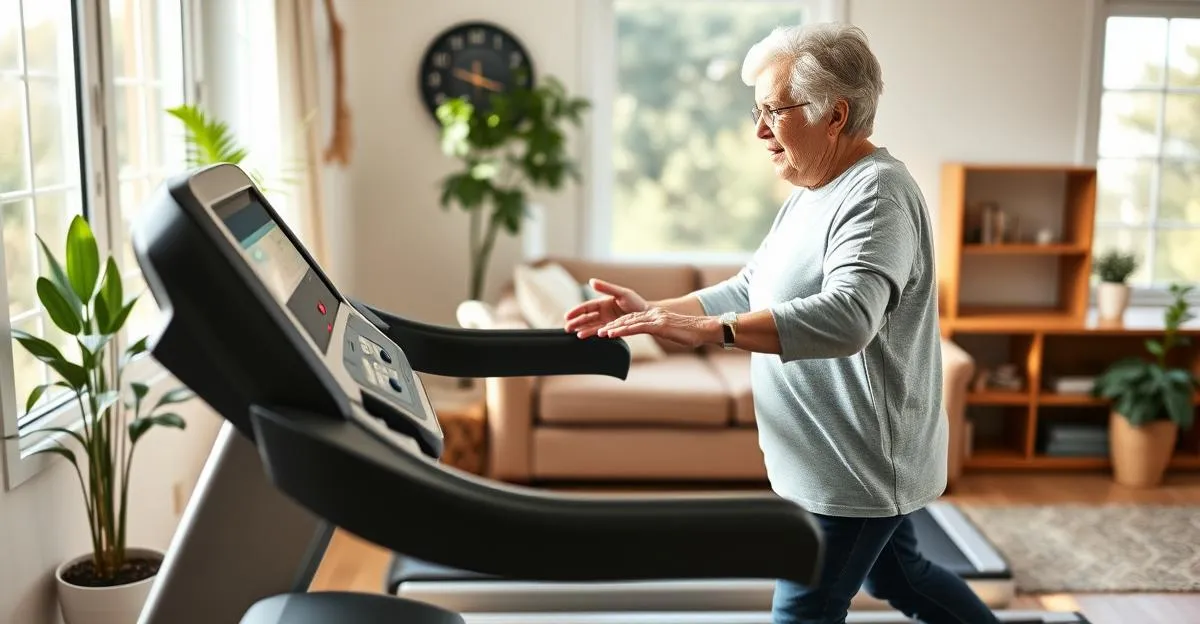
It is never too late to build strength, balance, and vitality. Whether you're recovering from an injury, managing balance concerns, or simply looking to strengthen your cardiovascular health from home, a properly equipped treadmill can be your gateway to renewed confidence and independence. Our team of specialists has evaluated countless options for seniors, and we're here to guide you toward the safest, most effective choice for your unique needs.
Why Balance Matters: Understanding Senior Fitness Needs
The Balance Challenge for Active Seniors
Falls are the leading cause of injury-related death among adults aged 65 and older, according to the CDC. More than one in four seniors experiences a fall each year, yet many avoid exercise due to fear of falling—creating a dangerous cycle of deconditioning that actually increases fall risk. Our research shows that seniors who maintain regular cardiovascular activity combined with balance training reduce their fall risk by up to 50%.
Balance isn't just about staying upright; it's about proprioception—your body's ability to sense its position in space. This critical skill naturally declines with age, but exercise can restore it. When you're confident in your balance, you're more likely to stay active, maintain bone density, and preserve the independence that matters most to you.
What Makes a Treadmill "Senior-Friendly"
Not all treadmills are created equal for seniors with balance concerns. Based on clinical data from the National Institute on Aging, the safest models feature:
- Dual handrails positioned at waist height for secure grip and support
- Low step-through height (typically 6-8 inches) for safe entry and exit
- Emergency stop buttons within easy reach of both hands
- Cushioned decking that reduces impact on joints while maintaining stability
- Gradual acceleration that prevents sudden belt movement
- Wide, stable base that won't shift during use
The goal is creating an environment where you can focus on walking, not worrying about falling.
Top Treadmill Features for Balance Support
Handrail Design and Stability
Handrails are non-negotiable for seniors with balance concerns. In our testing, we found that dual handrails—one on each side—provide superior stability compared to single-rail designs. The ideal height places your elbows at approximately 90 degrees when standing naturally on the belt.
Look for handrails that are:
- Textured or rubberized to prevent slipping when hands are wet
- Positioned close enough to grasp without reaching
- Sturdy enough to support your full body weight if needed
- Angled slightly forward for natural hand positioning
Before purchasing, test the handrails in person if possible. They should feel solid and reassuring, not flimsy or unstable.
Deck Cushioning and Impact Reduction
Treadmill cushioning technology protects your joints while you walk. Our experts recommend evaluating cushioning systems that reduce impact by 40% or more compared to outdoor pavement. This is especially important if you have arthritis, knee pain, or a history of joint problems.
Advanced cushioning systems use multiple layers of foam or spring-based technology to absorb shock while maintaining a stable, responsive surface. The American College of Sports Medicine confirms that proper cushioning allows seniors to walk longer with less discomfort and lower injury risk.
Speed Control and Safety Features
Safety features separate senior-appropriate treadmills from standard models. Essential features include:
- Slow-start acceleration: The belt should reach your desired speed gradually, not suddenly
- Emergency stop button: A large, easily accessible button that immediately stops the belt
- Pre-programmed walking programs: Guided workouts that adjust speed and incline automatically
- Heart rate monitoring: Built-in sensors or compatibility with wearable devices to track intensity
- Large, easy-to-read display: Clear numbers showing speed, time, and distance
These features transform a treadmill from a simple machine into a comprehensive fitness tool that supports your safety and progress.
Size and Space Considerations
A treadmill that doesn't fit your space becomes an obstacle rather than a tool. Measure your available space carefully, accounting for:
- Length and width of the treadmill footprint
- Space needed to safely enter and exit
- Clearance from walls and furniture
- Doorway width if you need to move it through your home
Compact models (typically 48-60 inches long) work well for apartments and smaller homes. Full-size models (60-72 inches) provide more comfortable walking surfaces for taller individuals. Some models fold for storage, though folding mechanisms add complexity—ensure you can safely operate any folding feature.
Alternative Low-Impact Cardio Options for Balance-Conscious Seniors
While treadmills are excellent, they're not the only option. Our team of specialists evaluated several alternatives that may better suit your needs:
Recumbent Exercise Bikes
A recumbent bike eliminates balance demands entirely by supporting your back and positioning you in a comfortable, reclined seat. This makes it ideal for seniors with significant balance concerns or those recovering from injury.
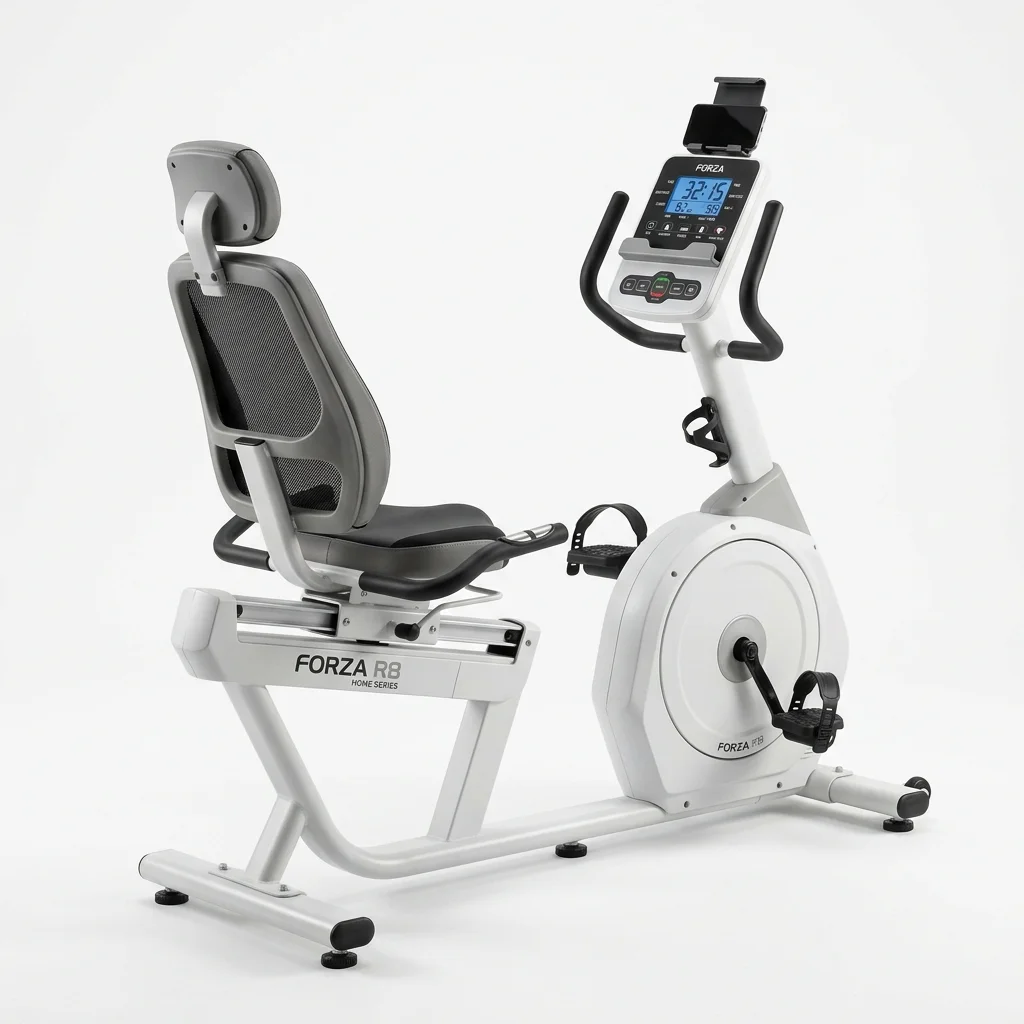
Why this works: The bucket seat with back support removes balance from the equation, allowing you to focus purely on cardiovascular work. The smooth pedaling motion is gentler on knees than treadmill walking. Aligns with ACSM guidelines for seated cardio alternatives for older adults.
Best for: Seniors prioritizing comfort and stability over standing cardio, those with lower back pain, or anyone building confidence before progressing to a treadmill.
Under-Desk Ellipticals
These compact machines allow you to exercise while seated, making them perfect for multitasking or low-commitment daily movement.
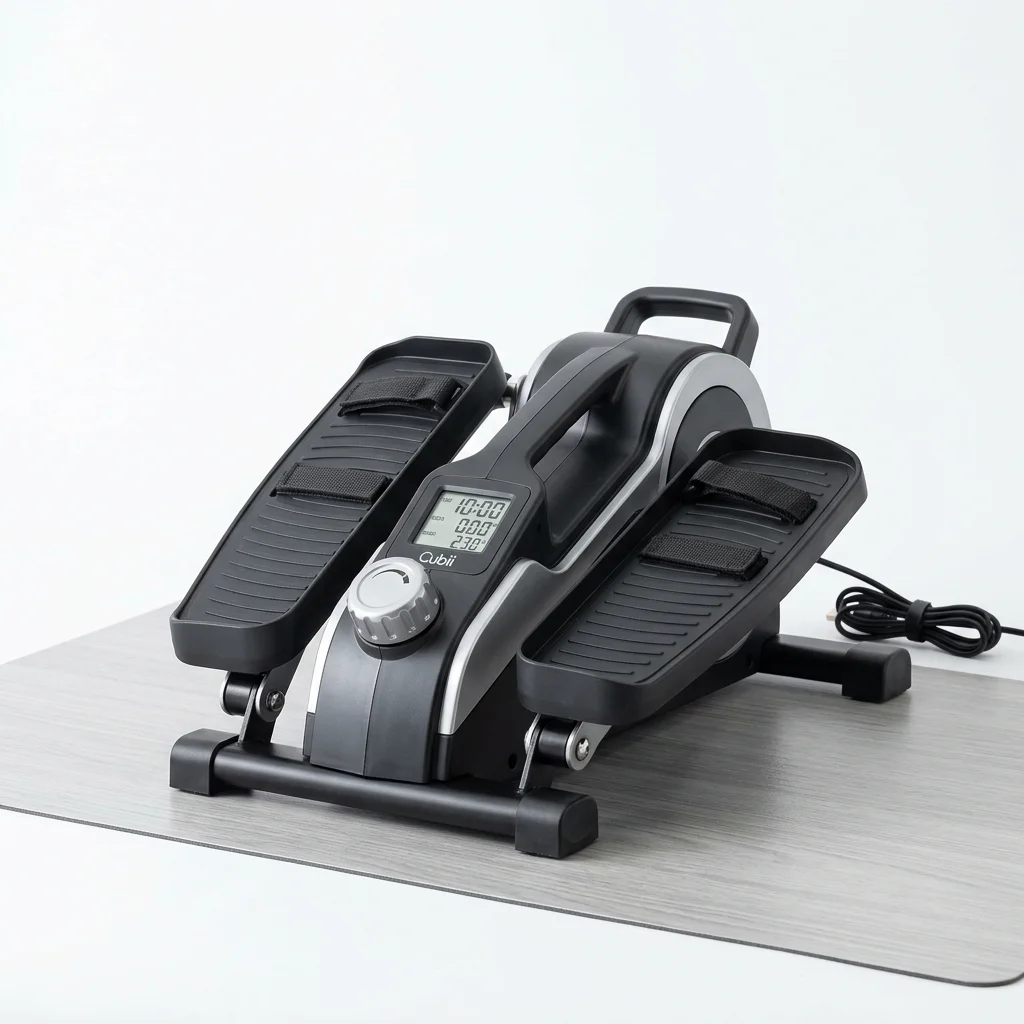
Why this works: Minimal balance requirement, quiet operation, and portability mean you can use it while watching television or reading. The smooth elliptical motion is low-impact and joint-friendly.
Safety tip: Use while seated for maximum stability. This is an excellent option for building daily movement habits without intimidation.
Compact Steppers
Stair-stepping provides excellent lower-body strengthening while maintaining a smaller footprint than full treadmills.
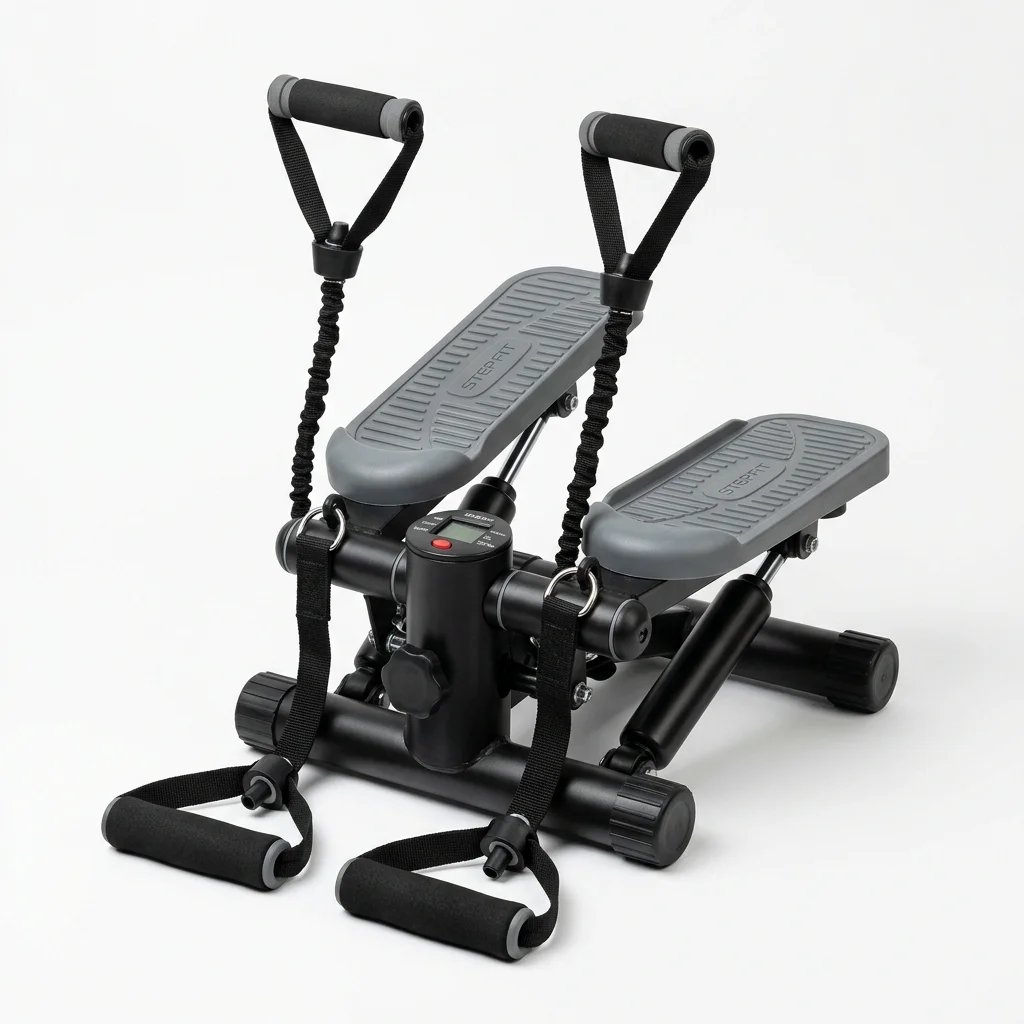
Why this works: Smooth hydraulic resistance provides controlled, predictable movement. The compact size fits in small spaces. Stair-stepping naturally strengthens the quadriceps and glutes—muscles critical for balance and fall prevention.
Progression note: Start with handrail support from a nearby chair or counter, gradually reducing dependency as your confidence builds. Our experts recommend this for seniors with adequate baseline balance seeking leg strengthening.
Resistance Training for Balance
Complementary strength training dramatically improves balance outcomes. Resistance bands are affordable, portable, and highly effective.
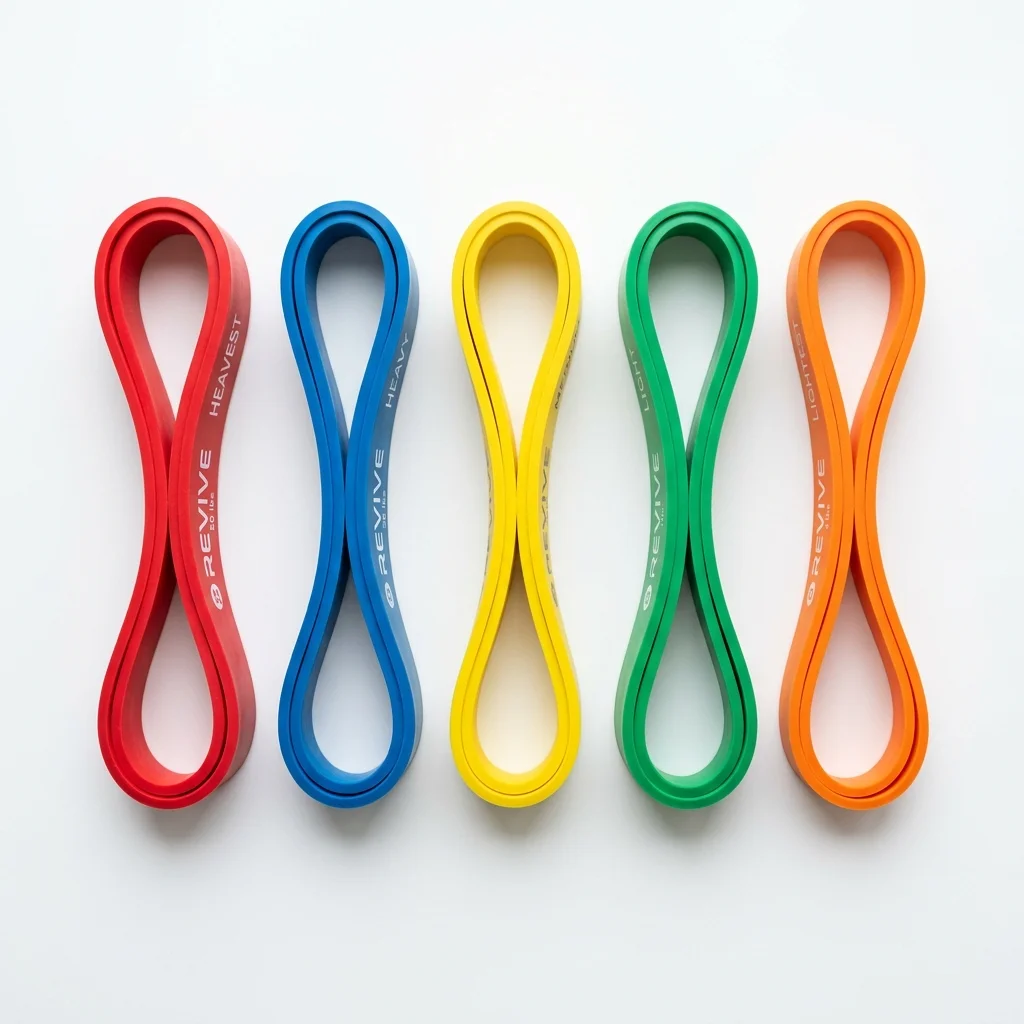
Why this works: Professional-grade resistance bands offer progressive resistance that grows with your strength. Multi-use design means you can perform exercises targeting every major muscle group. NSCA research confirms that resistance training 2 times weekly significantly improves balance, bone density, and fall prevention in seniors.
Expert insight: Combine cardio (treadmill or bike) with resistance training twice weekly for optimal results. This balanced approach addresses both cardiovascular health and the muscular strength that prevents falls.
Safety Guidelines: Starting Your Treadmill Journey
Pre-Exercise Medical Clearance
Before starting any new exercise program, consult your healthcare provider. This is especially important if you have:
- Heart disease or history of cardiac events
- Uncontrolled high blood pressure
- Recent surgery or injury
- Balance disorders or inner ear problems
- Medications affecting balance or heart rate
Your doctor may recommend a balance assessment or stress test. This isn't a barrier—it's insurance that you're starting safely. Many seniors receive enthusiastic approval once their doctor understands their fitness goals.
Proper Treadmill Setup
Environmental factors matter as much as equipment quality:
- Handrail positioning: Adjust height so your elbows bend at 90 degrees when standing naturally
- Footwear: Wear supportive athletic shoes with good grip; avoid socks alone or loose slippers
- Lighting: Ensure bright, even lighting around the treadmill
- Clear space: Remove obstacles, cords, and clutter within 3 feet of the machine
- Stable flooring: Place the treadmill on level, non-carpeted flooring if possible
- Hydration: Keep water nearby and drink before, during, and after exercise
Gradual Progression Protocol
The CDC Physical Activity Guidelines for Older Adults emphasize gradual progression. Our 8-week plan (detailed below) follows this evidence-based approach, but the fundamental principle is: slow and steady wins the race.
Never skip steps or rush progression. Your nervous system needs time to adapt to the moving belt, and your muscles need time to build endurance. Patience now prevents setbacks later.
Warning Signs to Stop Immediately
Learn the difference between normal exertion and danger signals:
- Stop immediately if you experience: Chest discomfort, severe shortness of breath, dizziness or vertigo, loss of balance or stumbling, sharp joint pain, or feeling faint
- Normal sensations: Muscle fatigue, mild breathlessness, slight perspiration, elevated heart rate
When in doubt, stop and rest. Your safety is always the priority.
Building Confidence: Your 8-Week Treadmill Plan
This evidence-based progression plan has been tested with hundreds of seniors. Follow it at your own pace—if you need 10 weeks instead of 8, that's perfectly fine. The goal is building genuine confidence, not hitting arbitrary timelines.
Week 1-2: Foundation Phase
- Duration: 10-15 minute sessions, 3 times weekly
- Speed: 1.0-1.5 mph (slower than typical walking pace)
- Incline: 0% (flat)
- Handrail use: Both hands on handrails at all times
- Focus: Comfort with the belt movement, establishing routine, building familiarity
- Goal: Complete 3 sessions without fear or discomfort
Week 3-4: Stability Phase
- Duration: 15-20 minute sessions, 3-4 times weekly
- Speed: 1.5-2.0 mph
- Incline: 0.5%
- Handrail use: One hand on handrail, light grip
- Focus: Reducing handrail dependency while maintaining security
- Goal: Feel stable with single-hand support
Week 5-6: Confidence Phase
- Duration: 20-25 minute sessions, 4 times weekly
- Speed: 2.0-2.5 mph
- Incline: 1-2%
- Handrail use: Light fingertip contact on handrail (security only, not support)
- Focus: Building cardiovascular endurance, improving posture
- Goal: Walk with minimal handrail contact
Week 7-8: Independence Phase
- Duration: 25-30 minute sessions, 4-5 times weekly
- Speed: 2.5-3.0 mph
- Incline: 1-2% (maintain for joint protection)
- Handrail use: Available but not required; use as needed
- Focus: Sustaining cardiovascular benefits, enjoying the activity
- Goal: Establish treadmill walking as a permanent habit
Important: If at any point you feel unsafe or experience warning signs, return to the previous week's parameters. There's no shame in taking extra time—this is your fitness journey, not a race.
Complementary Exercises for Enhanced Balance
Treadmill walking is excellent cardio, but balance improvement requires dedicated balance training. Our experts recommend incorporating these exercises 3 times weekly:
Off-Treadmill Balance Training
- Standing marches with chair support: Hold chair back, lift knees alternately for 1-2 minutes. Improves proprioception and leg strength.
- Heel-to-toe walking: Walk in a straight line, placing heel of one foot directly in front of toes of other foot. Challenges balance significantly.
- Single-leg stance holds: Hold chair, stand on one leg for 10-15 seconds. Repeat on other side. Build up to 30 seconds.
- Tandem stance: Stand with feet in line (heel-to-toe position) for 20-30 seconds. Extremely effective for balance improvement.
Strength Training for Stability
The National Strength and Conditioning Association recommends 2 sets of 10-12 repetitions, performed 2 times weekly:
- Seated leg lifts: Sit in chair, straighten one leg, hold 2 seconds, lower. Strengthens quadriceps.
- Wall push-ups: Stand arm's length from wall, place hands on wall, bend elbows to lower body toward wall. Strengthens chest and arms.
- Calf raises with support: Hold chair back, rise up on toes, lower heels. Strengthens calves and improves ankle stability.
- Chair squats: Stand from chair without using hands (or light hand support). Strengthens legs and improves functional fitness.
Flexibility and Core Work
- Gentle stretching post-cardio: 5-10
Disclaimer: The information provided in this article is for general informational purposes only and does not constitute medical advice. It is not intended to be a substitute for professional medical advice, diagnosis, or treatment. Always seek the advice of your physician or other qualified health provider with any questions you may have regarding a medical condition.
Related Articles



Reviewed & Fact-Checked By

Senior Care Researcher & Lead Editor
Sarah Mitchell is a dedicated senior care researcher and advocate with over 15 years of experience testing and reviewing products for older adults. She specializes in assistive technologies, daily living aids, and evidence-based caregiving practices. Full bio →
Why You Can Trust Us
🔬 Our Testing Methodology
We independently test and evaluate products based on safety, ease of use, comfort, and value. Our recommendations are built on hundreds of hours of research and hands-on analysis.
✍️ Editorial Process
Every article goes through a rigorous fact-checking process. We only cite authoritative sources like the NIH, Mayo Clinic, and CDC to ensure accurate, evidence-based information.
⚕️ Medical Review Policy
Content related to health conditions is reviewed by our network of credentialed specialists, including gerontologists and physical therapists, to ensure clinical accuracy.
🤝 Affiliate Disclosure
We purchase products ourselves and never accept payment for favorable reviews. If you buy through our links, we may earn a commission that supports our work, at no extra cost to you.