
Hearing loss doesn't have to mean social isolation. For millions of Americans aged 55 and older, invisible hearing aids represent a life-changing opportunity to reconnect with loved ones, enjoy conversations, and participate fully in their communities—all without the stigma or visibility concerns that once kept seniors from seeking help.
According to the National Institute on Deafness and Communication Disorders (NIDCD), approximately one in three adults aged 65 and older experiences hearing loss. Yet many seniors delay treatment for years, primarily due to concerns about appearance and the social perception of wearing hearing aids. The good news? Modern invisible hearing aids are more effective, affordable, and discreet than ever before.
Understanding Invisible Hearing Aids for Seniors
What Makes a Hearing Aid "Invisible"?
Invisible hearing aids fall into two main categories: completely-in-canal (CIC) devices and receiver-in-canal (RIC) models with nearly invisible designs. These differ fundamentally from traditional behind-the-ear (BTE) hearing aids, which remain visible from the side profile.
Completely-in-canal (CIC) hearing aids sit entirely within your ear canal, making them virtually undetectable to others. They use custom-molded ear pieces and are ideal for seniors with mild to moderate hearing loss who prioritize discretion above all else.
Receiver-in-canal (RIC) hearing aids place the speaker (receiver) directly in the ear canal while the main processor sits behind the ear. Models like Eargo 7 use open-fit designs that are barely visible, even from close range. RIC technology often provides better sound quality and longer battery life than CIC options.
Why do seniors choose invisible options? Beyond the obvious aesthetic preference, research shows that discretion directly impacts consistent device use. Seniors who feel confident wearing their hearing aids use them more frequently, which leads to better hearing outcomes and improved quality of life.
Age-Related Hearing Loss: Why Seniors Need Solutions Now
Presbycusis—the medical term for age-related hearing loss—develops gradually as the inner ear's hair cells deteriorate over time. This sensorineural hearing loss typically begins in the high frequencies, making it difficult to hear conversation in noisy environments, understand women's and children's voices, and enjoy television at normal volumes.
The statistics are compelling: According to the NIDCD, hearing loss affects approximately 65% of adults aged 70 and older. Yet untreated hearing loss carries serious consequences beyond communication difficulties. Research published by the American Speech-Language-Hearing Association (ASHA) demonstrates that untreated hearing loss is associated with:
- Cognitive decline and increased dementia risk
- Depression and anxiety
- Social isolation and reduced quality of life
- Increased fall risk due to reduced environmental awareness
- Higher healthcare costs overall
Early intervention matters significantly. Studies show that seniors who address hearing loss promptly experience better cognitive outcomes and maintain stronger social connections than those who delay treatment.
FDA OTC Hearing Aid Guidelines: What Changed for Seniors
In 2022, the FDA approved over-the-counter (OTC) hearing aids for the first time, fundamentally changing the hearing aid landscape for seniors. This regulatory shift expanded access and affordability while maintaining safety standards.
OTC hearing aids are designed for adults with mild to moderate hearing loss and do not require a prescription or professional fitting. They're available directly to consumers without an audiologist visit, making them more affordable and accessible.
Prescription hearing aids require professional fitting and are customized to your specific audiogram results. They're necessary for moderate-to-severe hearing loss and offer more personalized amplification.
For seniors with mild-to-moderate presbycusis, OTC invisible hearing aids now offer a practical entry point. However, professional evaluation remains important to determine your hearing loss severity and ensure you're choosing the appropriate device category.
💡 Expert Tip: Before purchasing any hearing aid, consult with a licensed audiologist or hearing healthcare professional. They can perform a comprehensive audiogram to determine your specific hearing loss pattern and recommend whether OTC or prescription devices are appropriate for your needs.
Top 5 Best Invisible Hearing Aids for Seniors (2026)
1. Audien Atom Rechargeable – Best Budget-Friendly Option
Overview & Best For: The Audien Atom represents the most affordable entry point for seniors exploring invisible hearing aids. It's ideal for cost-conscious seniors on fixed incomes and those trying hearing aids for the first time.
Key Features:
- Completely invisible in-canal design
- 24-hour battery life with USB-C charging
- Dual-microphone noise reduction technology
- Comfortable all-day wear with custom ear pieces
- Simple manual volume controls
WHAT WE LIKE
- Most affordable option on the market
- Extended 24-hour battery life reduces daily charging
- Intuitive operation—no smartphone app learning curve
- No subscription fees or hidden costs
- Solid customer reviews from first-time users
WHAT TO CONSIDER
- No smartphone app for remote adjustments
- Basic noise reduction (not ideal for very noisy environments)
- Limited customization options compared to premium models
- Customer service availability varies by region
Best For Seniors Who: Have mild to moderate hearing loss, prefer simplicity over advanced features, want to test hearing aids before investing more, and spend most time in quiet environments like home or one-on-one conversations.
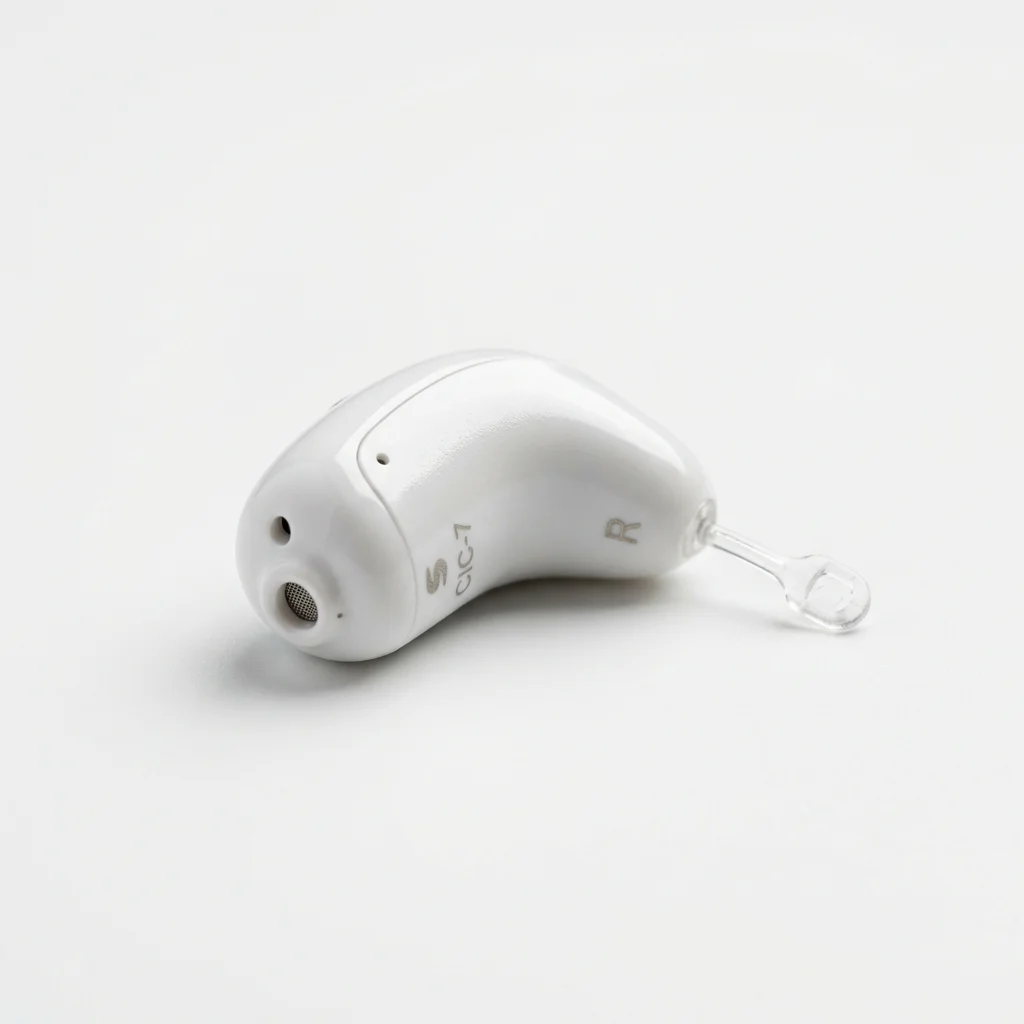
2. Eargo 7 – Best for Nearly Invisible Appearance
Overview & Best For: Eargo 7 represents the premium option for seniors who prioritize discretion and want advanced technology for active, social lifestyles. This is the choice for seniors who refuse to compromise on appearance.
Key Features:
- Patented open-fit design (barely visible from any angle)
- Advanced AI-powered noise reduction with directional microphones
- Conversation clarity in complex environments
- Water-resistant IPX7 rating for shower/light rain protection
- Full smartphone app control (iOS and Android)
- Professional remote care support included
WHAT WE LIKE
- Nearly invisible appearance—major confidence booster for social situations
- Superior noise reduction in restaurants, family gatherings, and public spaces
- Excellent directional hearing for focused conversation
- Professional customer support and remote adjustments included
- 45-day money-back guarantee reduces purchase risk
- Water-resistant design for active seniors
WHAT TO CONSIDER
- Premium pricing ($1,850+) requires significant investment
- 16-hour battery life requires nightly charging
- Steeper learning curve for technology-averse seniors
- May require multiple fittings for optimal comfort
- Small size can be challenging for seniors with dexterity issues
Best For Seniors Who: Prioritize appearance and discretion, are socially active and frequently in noisy settings, are comfortable with smartphone technology, and have the budget for premium features.
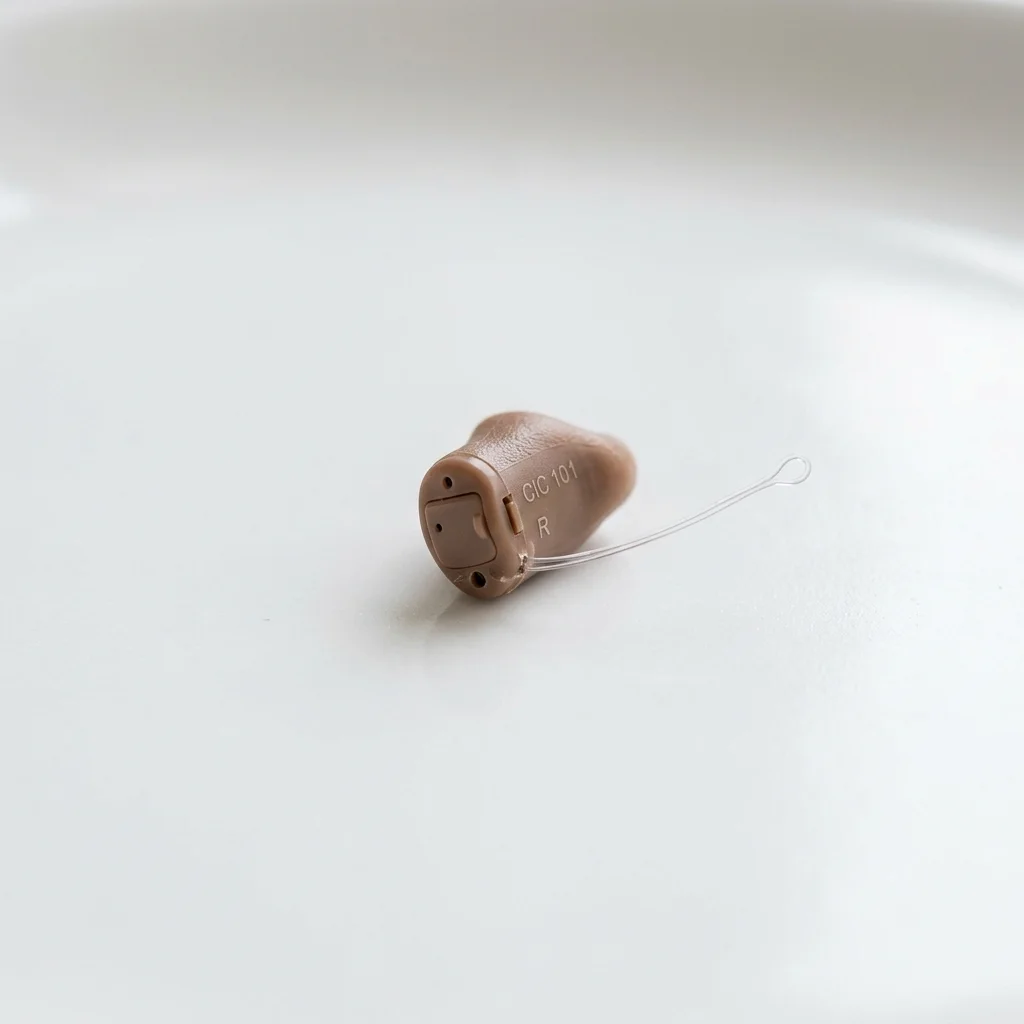
3. Lexie B2 Plus – Best for First-Time Users
Overview & Best For: Powered by Bose audio technology, the Lexie B2 Plus offers an ideal transition for seniors new to hearing aids. It balances advanced features with user-friendly operation.
Key Features:
- Bose sound quality and audio processing technology
- Smartphone app with intuitive controls designed for seniors
- Directional hearing for focused listening in conversations
- Comfortable fit optimized for extended all-day wear
- 18-20 hour battery life (rechargeable)
- Remote care support from audiologists
WHAT WE LIKE
- Trusted Bose audio brand recognition and quality
- User-friendly interface specifically designed for older adults
- Good balance of advanced features without overwhelming complexity
- Solid customer reviews from first-time hearing aid users
- Adequate battery life for most daily routines
- Reasonable mid-range pricing
WHAT TO CONSIDER
- Limited advanced customization features compared to premium models
- Average battery life (not best-in-class)
- May feel slightly bulkier than completely-in-canal competitors
- Requires smartphone for full functionality (not ideal for non-tech-savvy seniors)
Best For Seniors Who: Are trying hearing aids for the first time, trust established audio brands, want good features without overwhelming complexity, and have moderate hearing loss.
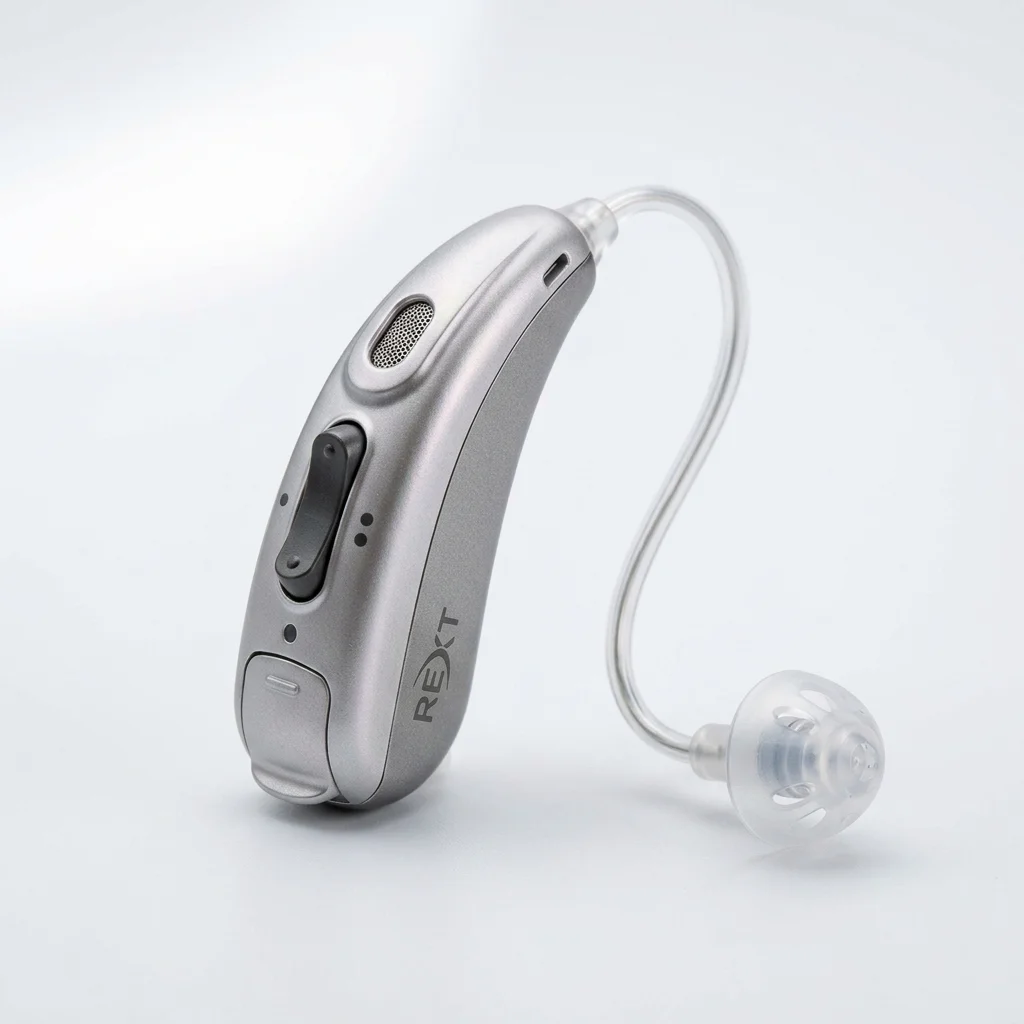
4. TV Ears Original – Best for Television Enjoyment
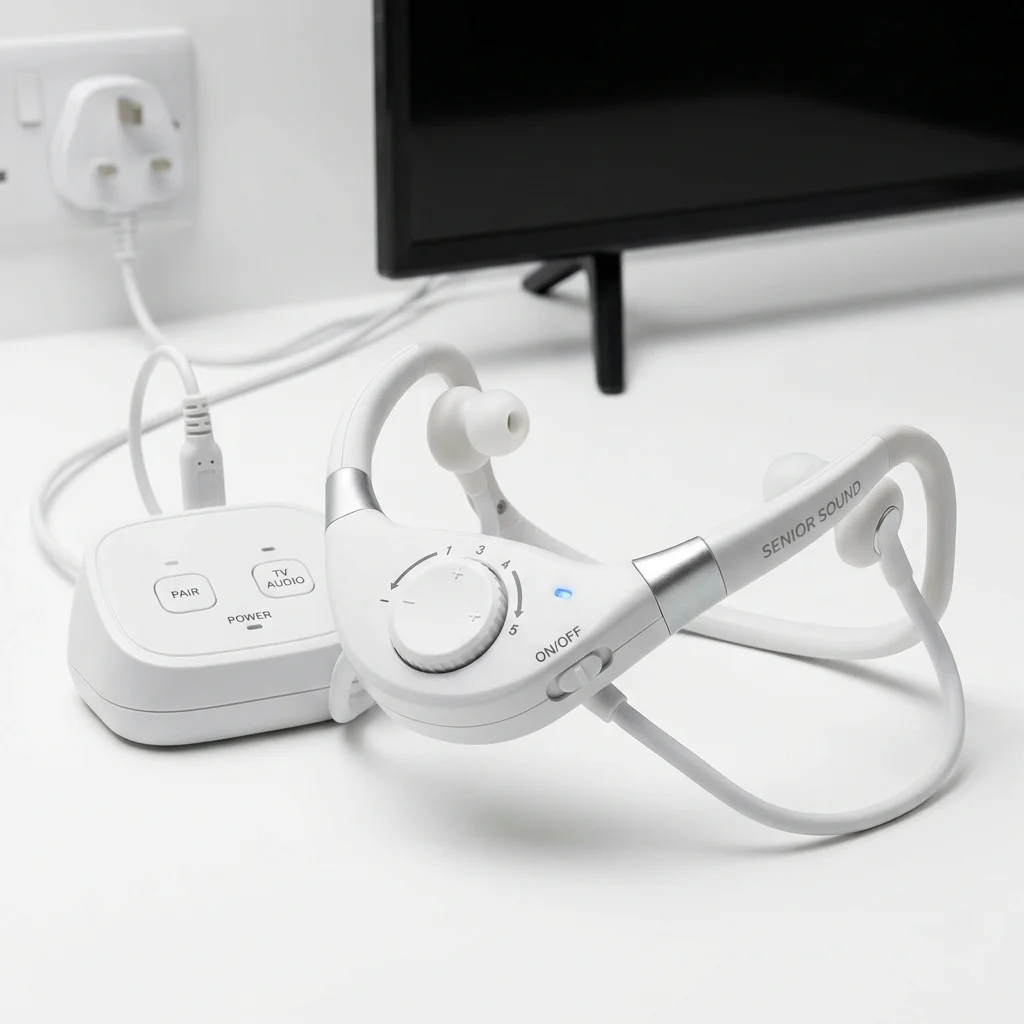
Overview & Best For: TV Ears represents a specialized solution for seniors whose primary hearing challenge is television volume. This unique approach solves family conflict over remote controls and volume settings.
Key Features:
- Wireless headset system (not a traditional hearing aid)
- Lets seniors hear TV at comfortable volume independently
- Others can watch at normal volume simultaneously
- Simple plug-into-TV setup (no audiologist visit required)
- Rechargeable base station (no batteries to replace)
- 30-foot wireless range throughout living room
WHAT WE LIKE
- Solves family conflict over TV volume—major relationship benefit
- Easy setup requiring no professional installation
- Affordable entry point for hearing support
- Comfortable for extended viewing sessions
- Reduces strain on family relationships and caregiving dynamics
- No hearing aid adjustment period needed
WHAT TO CONSIDER
- Only works with television (not general hearing aid for other situations)
- Limited 30-foot range from base station
- Doesn't address hearing loss in conversations or daily activities
- Not suitable for seniors with significant hearing loss
- Requires keeping headset charged
Best For Seniors Who: Struggle most with TV volume, want to protect family harmony, don't need all-day hearing support, and prefer a non-medical device approach.
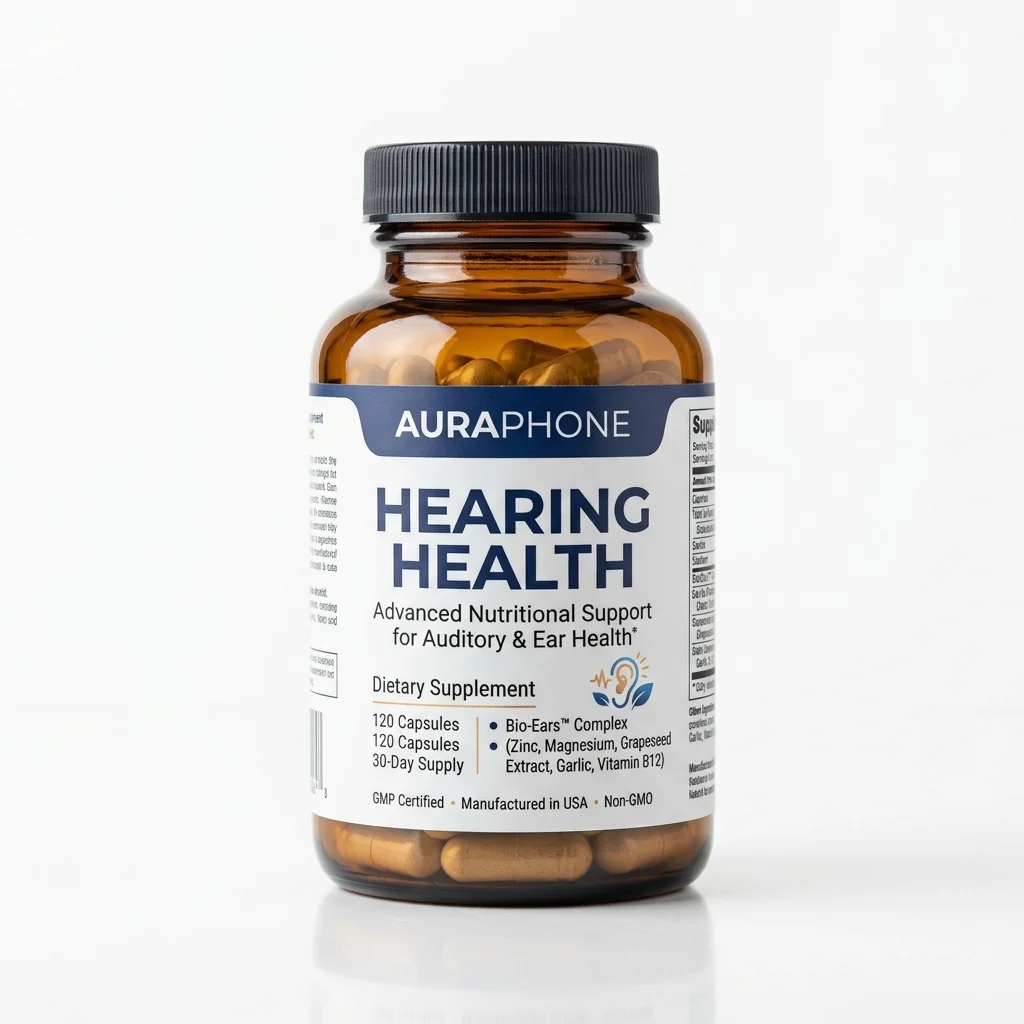
5. Sonus Complete – Best Natural Hearing Support Formula
Overview & Best For: Sonus Complete represents a supplement-based approach to hearing health, targeting tinnitus and age-related hearing decline through natural ingredients.
Key Features:
- Proprietary blend of vitamins, minerals, and herbal extracts
- Targets inflammation and oxidative stress in the inner ear
- Supports auditory nerve function and hair cell health
- Includes tinnitus relief ingredients
- 60-day money-back guarantee
- No device to wear, insert, or adjust
WHAT WE LIKE
- Natural ingredient approach appeals to many seniors
- Addresses tinnitus symptoms alongside hearing support
- No device to wear or adjust—simple daily supplement
- Supports overall ear health and prevention
- Affordable compared to hearing aids ($59 vs. $500+)
- No learning curve or adjustment period
WHAT TO CONSIDER
- Results vary widely between individuals
- Not a replacement for hearing aids for moderate-to-severe hearing loss
- Only available online (no in-store options)
- Limited clinical evidence for effectiveness compared to hearing aids
- Requires consistent daily use for 30-60 days to notice results
- Slower results than immediate amplification from hearing aids
Important Note: Sonus Complete is a dietary supplement, not a medical device. It should not replace professional hearing aid use for moderate-to-severe hearing loss. Consult your audiologist before relying solely on supplements for hearing loss treatment.
Best For Seniors Who: Have mild hearing loss or early-stage decline, experience tinnitus, prefer natural supplement approaches, want preventative hearing health support, and are not yet ready for hearing aids.
How to Choose the Right Invisible Hearing Aid for Your Needs
Assess Your Hearing Loss Severity
Your hearing loss severity determines which invisible hearing aids are actually appropriate for you. According to audiometric standards:
- Mild hearing loss (25-40 dB): Most invisible options available; OTC hearing aids often sufficient
- Moderate hearing loss (41-55 dB): Requires more powerful devices; prescription fitting recommended
- Moderately severe (56-70 dB): Limited invisible options; RIC or BTE models often necessary
- Severe (71+ dB): Invisible aids typically insufficient; powerful BTE devices required
A professional audiogram—a graph showing your hearing thresholds across different frequencies—is essential for accurate device selection. This test takes 20-30 minutes and provides the data your audiologist needs to recommend appropriate amplification.
Consider Your Lifestyle and Environment
Where you spend most of your time significantly impacts which hearing aid features matter most:
- Quiet environments (home, one-on-one conversations): Basic noise reduction sufficient; simpler devices work well
- Moderate noise
Disclaimer: The information provided in this article is for general informational purposes only and does not constitute medical advice. It is not intended to be a substitute for professional medical advice, diagnosis, or treatment. Always seek the advice of your physician or other qualified health provider with any questions you may have regarding a medical condition.
Related Articles



Reviewed & Fact-Checked By

Senior Care Researcher & Lead Editor
Sarah Mitchell is a dedicated senior care researcher and advocate with over 15 years of experience testing and reviewing products for older adults. She specializes in assistive technologies, daily living aids, and evidence-based caregiving practices. Full bio →
Why You Can Trust Us
🔬 Our Testing Methodology
We independently test and evaluate products based on safety, ease of use, comfort, and value. Our recommendations are built on hundreds of hours of research and hands-on analysis.
✍️ Editorial Process
Every article goes through a rigorous fact-checking process. We only cite authoritative sources like the NIH, Mayo Clinic, and CDC to ensure accurate, evidence-based information.
⚕️ Medical Review Policy
Content related to health conditions is reviewed by our network of credentialed specialists, including gerontologists and physical therapists, to ensure clinical accuracy.
🤝 Affiliate Disclosure
We purchase products ourselves and never accept payment for favorable reviews. If you buy through our links, we may earn a commission that supports our work, at no extra cost to you.