
Why Adaptive Clothing Matters for Seniors
Getting dressed should be one of life's simple pleasures, not a source of frustration or pain. Yet for millions of American seniors, the daily ritual of choosing and putting on clothes has become a challenge. Whether due to arthritis, limited mobility, post-surgical recovery, or cognitive changes, many older adults struggle with traditional clothing fasteners, tight sleeves, and complicated closures. This is where adaptive clothing transforms daily living.
Adaptive clothing is specifically designed with features that make dressing easier, more comfortable, and more dignified. According to the CDC Healthy Aging initiative, approximately 1 in 4 Americans aged 65 and older falls each year, and mobility limitations affect roughly 13% of seniors over 65. These statistics underscore why thoughtful design in everyday items—including clothing—can make a profound difference in maintaining independence.
Understanding Adaptive Clothing
Adaptive clothing differs fundamentally from standard apparel. Rather than compromising on style or function, adaptive pieces integrate universal design principles that benefit everyone. Features include magnetic closures instead of buttons, side zippers for wheelchair accessibility, open seams for easier dressing, and breathable fabrics that accommodate swelling or temperature sensitivity.
The beauty of modern adaptive fashion is that it doesn't look "medical" or institutional. You can maintain your personal style while gaining the practical benefits that make dressing easier. Our team of specialists has evaluated dozens of adaptive options, and we've found that the best pieces seamlessly blend fashion with function.
The Dignity Factor
Independence in dressing is about far more than physical capability—it's about dignity, autonomy, and self-expression. When seniors can dress themselves without struggling with buttons or asking for help, they maintain control over a fundamental aspect of daily life. Research from the National Institute on Aging shows that maintaining independence in activities of daily living (ADLs), including dressing, significantly impacts mental health, confidence, and overall quality of life.
Adaptive clothing empowers you to choose your own outfits, express your personality, and face each day with confidence. This psychological benefit is just as important as the physical ease these garments provide.
Who Benefits Most from Adaptive Clothing
Adaptive clothing serves multiple populations:
- Seniors with arthritis or limited grip strength who struggle with traditional buttons and zippers
- Those recovering from surgery who need easy access for wound care or physical therapy
- Individuals with cognitive changes who benefit from simplified dressing routines
- Wheelchair users who need accessible side seams and appropriate fit
- People with visual impairments who appreciate tactile closures and high-contrast designs
- Seniors with swelling or fluctuating weight who need flexible, adjustable fits
Key Features to Look for in Adaptive Clothing
Closures and Fasteners
The closure system is perhaps the most important feature in adaptive clothing. Traditional buttons require fine motor skills and hand strength that may be compromised by arthritis or other conditions.
Magnetic closures are our top recommendation. They require minimal dexterity, work with one hand, and are completely invisible when fastened. Velcro and hook-and-loop systems offer another excellent option, though some seniors prefer the more refined appearance of magnetic buttons. Large zippers with extended pulls are easier to grasp than standard zippers, and snap closures provide a middle ground between buttons and magnetic options.
Avoid tiny buttons, delicate clasps, and complicated multi-step fasteners. Look for closures that you can manage independently, even on days when your hands are stiff or swollen.
Fabric and Material Considerations
The right fabric makes adaptive clothing comfortable for all-day wear. Our testing shows that breathable, moisture-wicking materials prevent overheating and skin irritation—especially important for seniors who may experience temperature regulation challenges.
Choose machine-washable, easy-care fabrics that reduce laundry burden. Cotton blends, performance fabrics, and specially treated materials that resist wrinkles and staining are ideal. Stretch fabrics accommodate movement and swelling without feeling restrictive, while soft, tagless construction prevents irritation on sensitive skin.
Fit and Accessibility
Proper fit is crucial. Look for:
- Side seams that open or sit further back for wheelchair users
- Generous armholes that don't restrict shoulder movement
- Adaptive waistbands with adjustable elastic or side closures for comfort and accessibility
- Appropriate length that works with your body type and mobility aids
- Roomy construction that accommodates layering for temperature control
When ordering, measure carefully and consult manufacturer sizing guides. Many adaptive brands offer extended size ranges and custom fitting options.
Practical Design Elements
Beyond closures and fit, look for thoughtful details:
- Functional pockets for storing glasses, hearing aids, or medications
- Seamless construction to prevent chafing and irritation
- Tagless labels that won't irritate sensitive skin
- Reinforced seams for durability and longevity
- Temperature-regulating properties for comfort throughout the day
Types of Adaptive Clothing for Different Needs
Adaptive Tops and Shirts
Front-opening designs are essential for easy dressing. Look for cardigans, button-front shirts, and wrap-style tops that open fully rather than pulling over the head. Magnetic closures make these pieces arthritis-friendly, while side seams accommodate wheelchair users.
Sleeveless and short-sleeve options reduce the challenge of getting arms through tight sleeves. Adaptive t-shirts with open side seams allow you to dress while seated, a significant advantage for those with limited mobility.
Adaptive Bottoms and Pants
Side-zip pants are game-changers for wheelchair users and those with limited hip mobility. These pants feature a full-length zipper along the side seam, allowing you to dress without pulling pants up over your hips.
Elastic waistbands eliminate the need to manage zippers and buttons, while adaptive jeans with magnetic closures let you maintain a classic look without the frustration of traditional fasteners. Shorts and capris provide warm-weather options with the same accessibility features.
Adaptive Underwear and Socks
Seamless designs prevent irritation and discomfort. Easy-to-manage undergarments with simple closures or pull-on styles reduce dressing time and frustration. Adaptive socks with grips provide safety and stability, while incontinence-friendly options offer dignity and comfort for seniors managing this common challenge.
Outerwear and Layering
Adaptive jackets with magnetic closures keep you warm without struggling with zippers or buttons. Cardigans are ideal for layering and easy temperature adjustment. Adaptive robes are invaluable during post-surgery recovery, offering easy access for wound care while maintaining modesty and comfort. Lightweight layers help you manage temperature fluctuations throughout the day.
Footwear Considerations
Slip-on shoes eliminate the need to bend down and tie laces. Non-slip soles provide essential safety on various surfaces. Look for adjustable closures (velcro straps or elastic) that accommodate swelling, and orthopedic-friendly designs that support foot health. Our experts recommend having both casual slip-ons and slightly dressier options to maintain style variety.
Complementary Daily Living Products for Seniors
While adaptive clothing addresses dressing challenges, other daily living tools work synergistically to enhance independence and safety. Here are products our team has evaluated that pair well with adaptive clothing:
Organization and Medication Management

The Ezy Dose Weekly Pill Organizer integrates seamlessly with adaptive clothing that features functional pockets. Large compartments make it easy to see and access medications, and the affordable price point makes it accessible for most seniors managing multiple prescriptions.
Personal Safety and Emergency Response
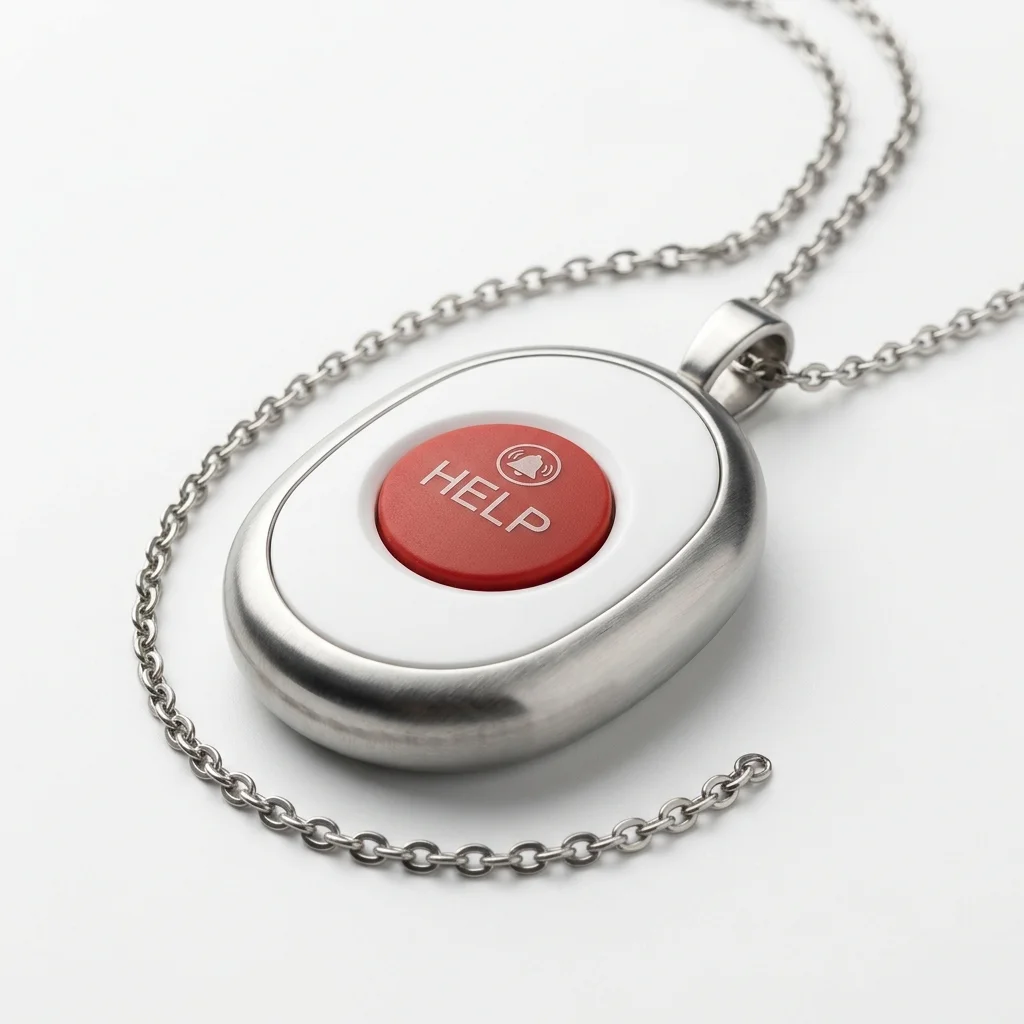
The Medical Guardian Alert System provides 24/7 monitoring and peace of mind, especially important for seniors living alone. The waterproof pendant is particularly valuable for bathroom safety—pair it with adaptive clothing featuring secure pocket placement or a wearable pendant holder for easy access during emergencies.
Communication and Connectivity
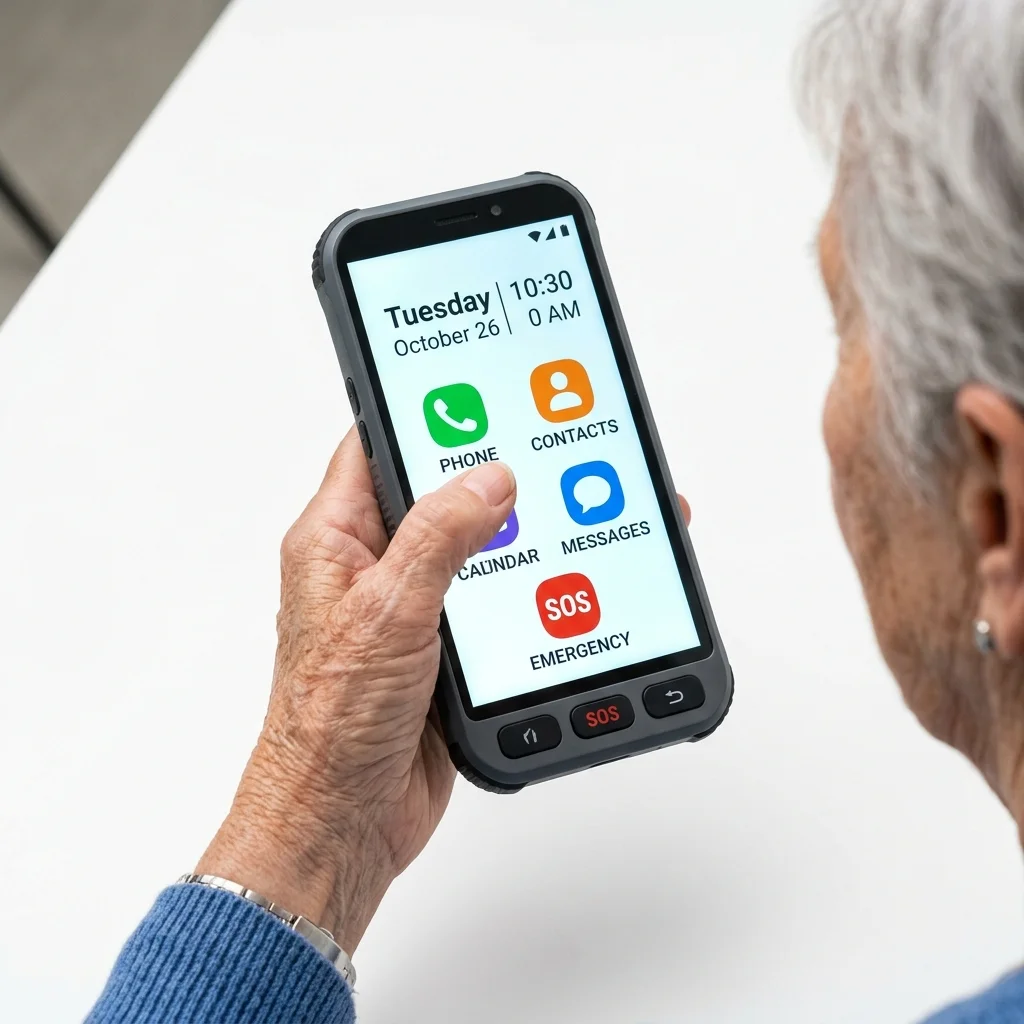
The Jitterbug Flip Phone's simple interface and large buttons make it ideal for seniors who prefer straightforward technology. Adaptive clothing with accessible pockets ensures you can carry your phone safely and retrieve it easily when needed.
Mobility and Reaching Assistance
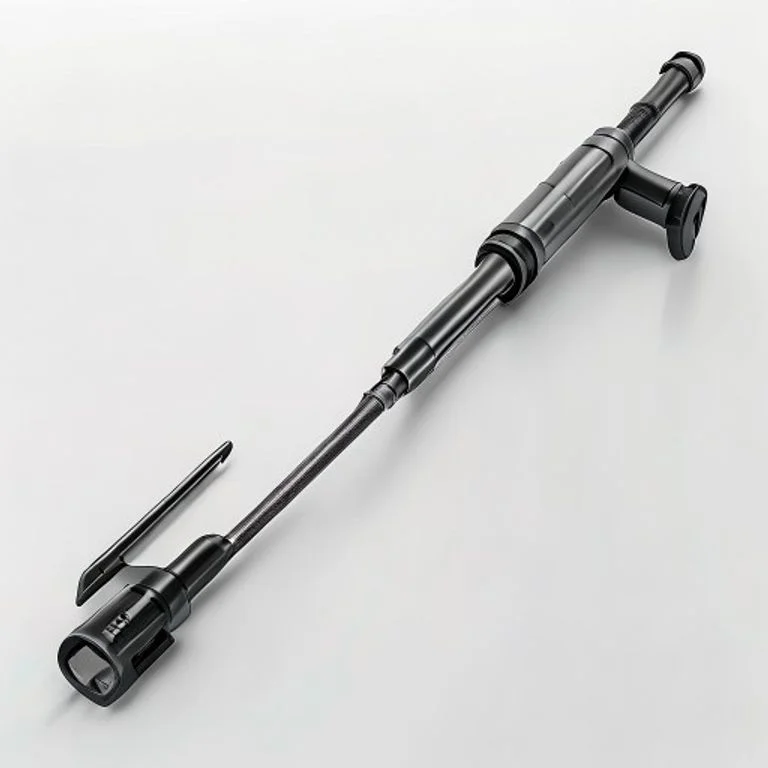
The Vive Reacher Grabber is invaluable for seniors with limited mobility. It helps you retrieve items from high shelves or the floor, which is particularly useful when dressing—reaching for shoes, socks, or items in closets becomes much easier. This tool promotes independence in the entire dressing process.
How to Shop for Adaptive Clothing: A Step-by-Step Guide
Assess Your Specific Needs
Before shopping, honestly evaluate your situation. What specific dressing challenges do you face? Do you struggle with buttons, zippers, or pulling clothing over your head? Are you wheelchair-dependent, or do you use a walker? Do you have swelling, temperature sensitivity, or skin irritation concerns?
Consider consulting with an occupational therapist through your healthcare provider. The American Occupational Therapy Association recommends professional assessment for seniors with significant mobility or dexterity challenges. Your therapist can identify specific adaptive features that will benefit you most.
Take Accurate Measurements
Proper measurements are essential. Measure with adaptive clothing in mind—you may need slightly roomier fits than traditional clothing. Account for layering needs, especially if you wear compression garments or need extra warmth. If you experience swelling, measure during the time of day when swelling is most pronounced.
Always consult manufacturer sizing guides, as adaptive brands often have different proportions than mainstream retailers. Don't assume your usual size will work.
Try Before You Buy
Order from retailers with generous return policies. Many adaptive clothing companies offer free returns within 30-60 days, allowing you to try pieces at home and ensure they meet your needs. Read reviews from other seniors—their real-world experiences are invaluable.
When possible, request samples or visit physical stores where you can feel fabrics and test closures in person.
Budget Considerations
Start with versatile basics: a few adaptive tops, bottoms, and undergarments in neutral colors. Mix budget-friendly pieces from mainstream retailers with premium adaptive brands. Check whether medical-grade items qualify for insurance coverage—some post-surgical adaptive clothing may be reimbursable.
Look for seasonal sales and subscribe to adaptive clothing brand newsletters for exclusive discounts.
Styling Tips: Looking Great While Staying Comfortable
Color and Pattern Selection
Your adaptive wardrobe should reflect your personal style. Choose colors that flatter your skin tone and make you feel confident. Patterns can hide stains and add visual interest—consider classic prints like stripes, florals, or geometric designs that work across seasons.
Build a color palette with 2-3 neutral base colors (black, navy, gray, or beige) and add personality with jewel tones, pastels, or prints that bring you joy.
Layering for Function and Fashion
Adaptive clothing works beautifully with traditional pieces. Layer an adaptive cardigan over a regular t-shirt, or pair adaptive pants with a non-adaptive blouse. This approach gives you maximum versatility while maintaining the accessibility features you need.
Accessories—scarves, jewelry, belts, and hats—add visual interest and allow you to express your unique style without compromising function.
Confidence and Self-Expression
Adaptive clothing is fashion, not just function. You deserve to feel beautiful, comfortable, and confident in what you wear. Celebrate this positive step toward independence, and remember that choosing adaptive clothing is a smart, empowering decision—not a compromise.
Expert Insights: What Geriatric Care Managers Recommend
Independence and Dignity in Dressing
In our work with seniors and their families, we've witnessed the profound impact of adaptive clothing. When a client can dress independently—choosing their own outfit, managing their own closures, and feeling comfortable in their clothes—their entire outlook shifts. They stand taller, smile more, and engage more fully with life.
The National Institute on Aging emphasizes that maintaining independence in ADLs, including dressing, is one of the strongest predictors of healthy aging and life satisfaction. Adaptive clothing directly supports this independence.
Caregiver Considerations
For family caregivers, adaptive clothing dramatically reduces stress during dressing routines. What once took 20 minutes of struggle can now take 5 minutes of ease. This reduction in caregiver burden translates to better relationships, less frustration, and more time for meaningful interaction rather than task completion.
Open communication between seniors and caregivers about clothing preferences and challenges is essential. Involve your healthcare team in this conversation—they can recommend specific adaptive features tailored to your situation.
Transitioning to Adaptive Clothing
Making the shift to adaptive clothing is a positive step, not a loss. Some seniors initially feel hesitant, viewing adaptive clothing as an admission of decline. Reframe this perspective: adaptive clothing is a tool that enables you to maintain independence and dignity. It's a smart choice, not a surrender.
Involve family members in the process. Shop together, try pieces on, and celebrate finding solutions that work. Start with one or two adaptive pieces and gradually build your wardrobe as you discover what works best for you.
Common Questions About Adaptive Clothing for Seniors
Q: Is adaptive clothing more expensive than regular clothing?
Adaptive clothing ranges from budget-friendly to premium. Many pieces cost the same as comparable regular clothing, while specialized medical-grade items may be pricier. However, the value is exceptional—adaptive clothing often lasts longer due to quality construction, and the independence it provides is priceless. Start with affordable basics and invest in premium pieces for items you wear daily.
Q: Where can I find adaptive clothing in my size?
Adaptive clothing is increasingly available through online retailers, specialty adaptive companies, and mainstream retailers like Target and Macy's. Search for "adaptive clothing" or
Disclaimer: The information provided in this article is for general informational purposes only and does not constitute medical advice. It is not intended to be a substitute for professional medical advice, diagnosis, or treatment. Always seek the advice of your physician or other qualified health provider with any questions you may have regarding a medical condition.
Related Articles


Reviewed & Fact-Checked By

Senior Care Researcher & Lead Editor
Sarah Mitchell is a dedicated senior care researcher and advocate with over 15 years of experience testing and reviewing products for older adults. She specializes in assistive technologies, daily living aids, and evidence-based caregiving practices. Full bio →
Why You Can Trust Us
🔬 Our Testing Methodology
We independently test and evaluate products based on safety, ease of use, comfort, and value. Our recommendations are built on hundreds of hours of research and hands-on analysis.
✍️ Editorial Process
Every article goes through a rigorous fact-checking process. We only cite authoritative sources like the NIH, Mayo Clinic, and CDC to ensure accurate, evidence-based information.
⚕️ Medical Review Policy
Content related to health conditions is reviewed by our network of credentialed specialists, including gerontologists and physical therapists, to ensure clinical accuracy.
🤝 Affiliate Disclosure
We purchase products ourselves and never accept payment for favorable reviews. If you buy through our links, we may earn a commission that supports our work, at no extra cost to you.