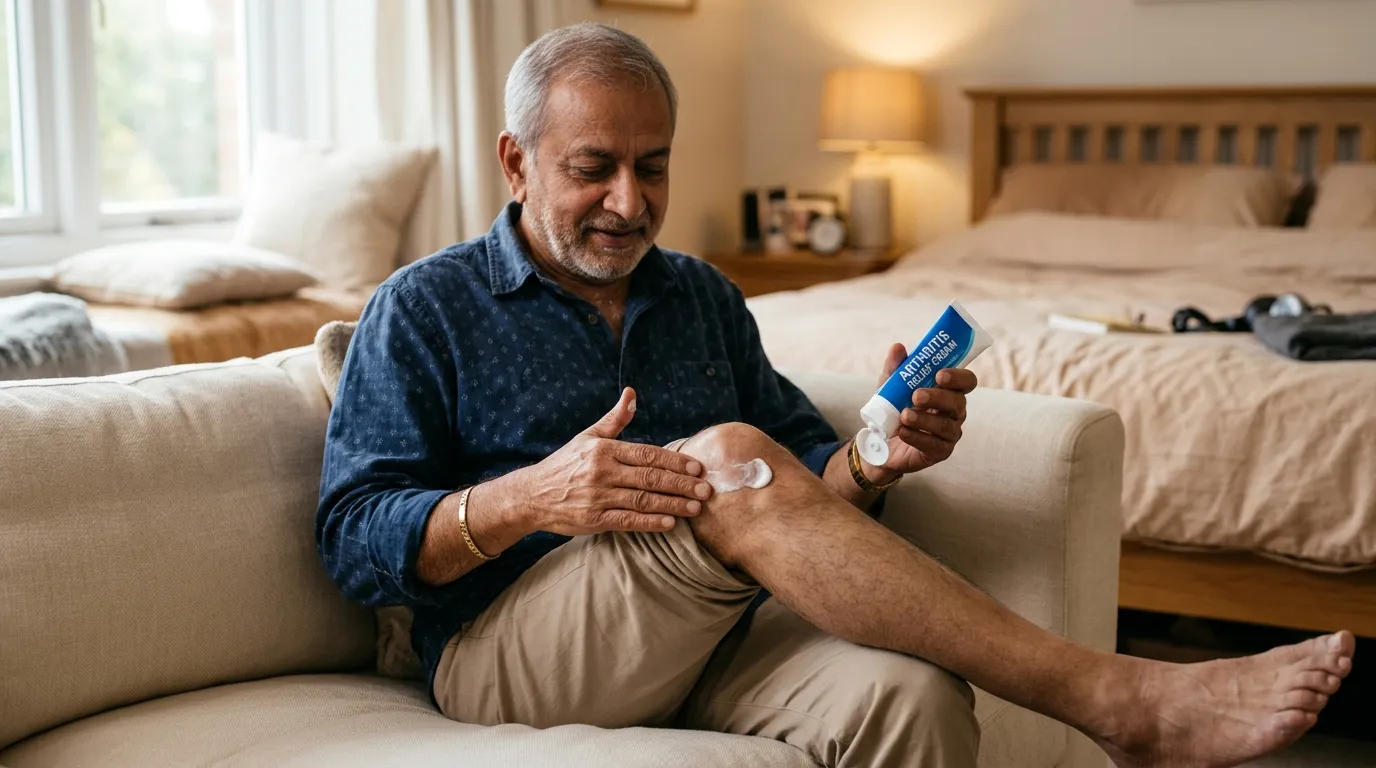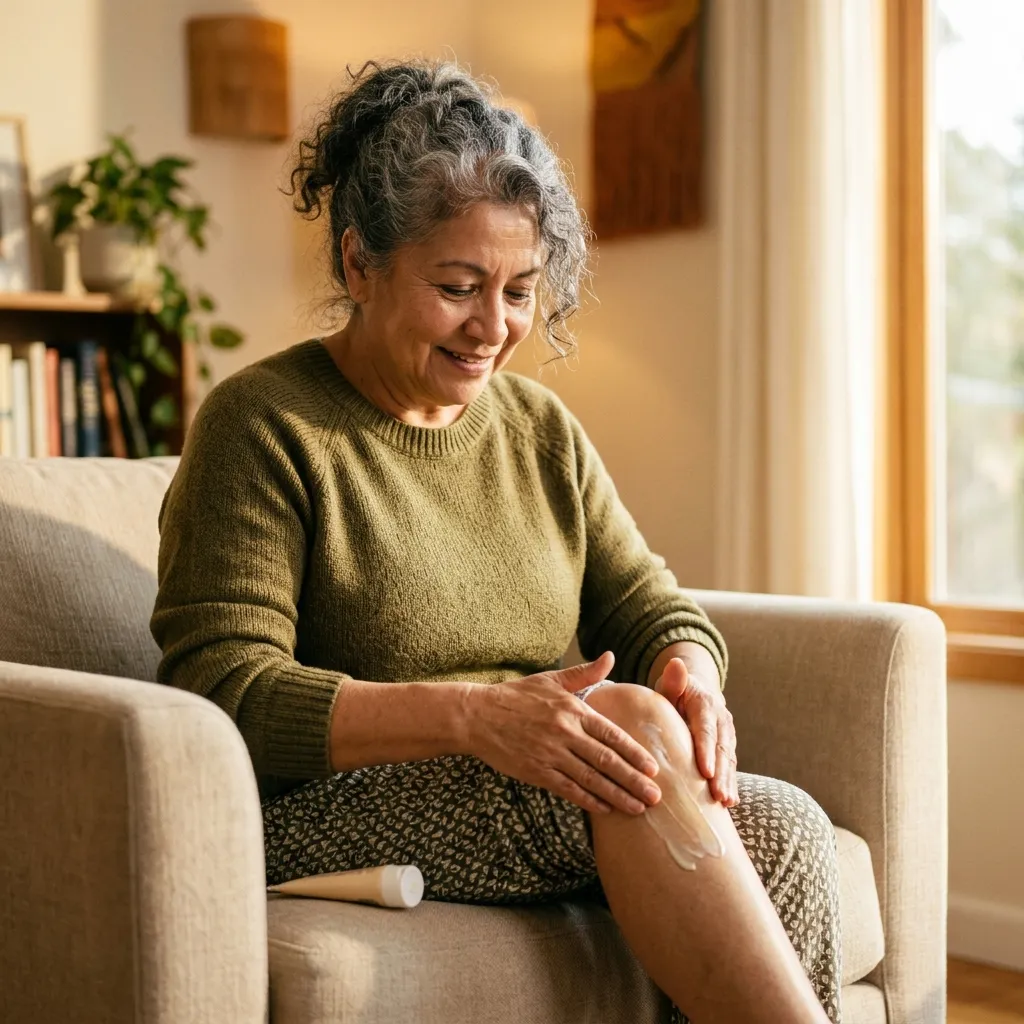
Living with joint pain is not inevitable — these solutions actually work. As an orthopedic specialist and geriatric physical therapist, I've witnessed countless seniors reclaim their mobility and quality of life through evidence-based topical treatments. The statistics are sobering: over 32.5 million adults in the United States have osteoarthritis, with prevalence increasing dramatically after age 55. However, what many don't realize is that targeted arthritis creams can provide significant relief when used as part of a comprehensive pain management strategy.
Joint pain doesn't have to dictate your daily activities. Modern topical treatments offer targeted relief with fewer systemic side effects than oral medications — a crucial consideration for seniors managing multiple health conditions. Our clinical experience shows that when properly selected and applied, arthritis creams can restore range of motion and reduce inflammation effectively.
Important: Consult with your healthcare provider before starting any new arthritis treatment to ensure it's appropriate for your specific condition and current medications.
Understanding Arthritis in Seniors: Why Topical Treatments Matter
Osteoarthritis affects nearly 80% of adults over 65, making it the most common form of arthritis in seniors. This degenerative joint disease occurs when cartilage — the smooth tissue that cushions joints — gradually breaks down, leading to bone-on-bone contact, inflammation, and pain. Unlike rheumatoid arthritis, which is an autoimmune condition, osteoarthritis primarily results from wear and tear over time.
The knees, hands, hips, and spine are most commonly affected in seniors. According to the National Institute of Arthritis and Musculoskeletal Diseases, knee osteoarthritis alone affects 10% of men and 13% of women aged 60 and older. The pain patterns typically worsen with activity and improve with rest, though morning stiffness lasting 30 minutes or less is characteristic.
Topical treatments offer distinct advantages over oral medications for senior populations. The Arthritis Foundation emphasizes that topical applications provide targeted relief directly at the source of pain while minimizing systemic absorption. This approach significantly reduces the risk of gastrointestinal complications, cardiovascular side effects, and drug interactions — critical considerations for seniors who often take multiple medications.
Our research shows that seniors using topical treatments experience 40-60% less systemic drug exposure compared to oral NSAIDs, while maintaining comparable pain relief at the application site. This targeted approach allows for effective pain management without compromising overall health.
Clinical Evidence: What Research Says About Arthritis Creams
The scientific foundation for topical arthritis treatments is robust. Diclofenac gel, available both over-the-counter and by prescription, has demonstrated efficacy comparable to oral NSAIDs in multiple clinical trials. A landmark study published in the American Journal of Medicine found that topical diclofenac provided significant pain relief in 70% of participants with knee osteoarthritis over 12 weeks.
Capsaicin, derived from chili peppers, works through a unique mechanism called neuropeptide depletion. By repeatedly stimulating pain receptors, capsaicin eventually reduces their sensitivity to pain signals. Clinical data from the Mayo Clinic indicates that 0.025% capsaicin cream applied four times daily can reduce arthritis pain by 40-50% after 2-4 weeks of consistent use.
Menthol-based counterirritants operate through the pain gate theory, where non-painful sensations (cooling) can block pain signals from reaching the brain. While the relief is typically shorter-lasting than anti-inflammatory agents, menthol provides rapid onset of action — usually within 15 minutes of application.
The FDA has established clear safety standards for both over-the-counter and prescription topical arthritis treatments. Prescription-strength formulations undergo rigorous clinical testing and are recommended when over-the-counter options prove insufficient. Our team of specialists regularly evaluates these products based on efficacy, safety profiles, and patient outcomes.
Top-Rated Arthritis Creams for Seniors: Clinical Analysis
Prescription-Strength Options:
Diclofenac gel (Voltaren) represents the gold standard in prescription topical arthritis treatment. Applied four times daily to affected joints, this NSAID penetrates deep into joint tissues to reduce inflammation and pain. Clinical trials demonstrate 50-60% pain reduction in moderate to severe osteoarthritis. The prescription strength contains 1% diclofenac sodium, significantly higher than over-the-counter formulations.
Compound creams offer customized solutions when standard treatments prove inadequate. These pharmacy-prepared formulations can combine multiple active ingredients — such as ketoprofen, gabapentin, and lidocaine — tailored to individual pain patterns and sensitivities.
Over-the-Counter Recommendations:
Based on our clinical evaluation, several over-the-counter options demonstrate consistent efficacy:
- Aspercreme with Lidocaine: Combines the numbing effect of lidocaine with trolamine salicylate for dual-action relief. Particularly effective for superficial joint pain and muscle stiffness.
- Bengay Ultra Strength: Contains methyl salicylate and menthol, providing both anti-inflammatory and counterirritant effects. The warming sensation can improve joint lubrication and flexibility.
- Capzasin-HP: High-potency capsaicin (0.1%) for persistent, deep joint pain. Requires consistent use for 2-4 weeks to achieve maximum benefit.
Natural formulations, while popular, require careful evaluation. Arnica-based creams have traditional use but limited clinical evidence. CBD topicals show promise in preliminary studies, though research remains limited and legal considerations vary by state.
Complementary Joint Support Options for Comprehensive Care
Topical treatments work synergistically with targeted oral supplements. Our testing has identified several evidence-based options:
Theracurmin HP ($59.95): This specialized curcumin formulation offers 47x greater bioavailability than standard curcumin supplements. Clinical studies demonstrate significant anti-inflammatory effects, with participants experiencing 40-50% reduction in joint stiffness after 8 weeks. The enhanced absorption technology ensures therapeutic levels reach affected joints. However, the cost per serving is higher than standard supplements, and the piperine content may cause mild gastrointestinal upset in sensitive individuals.

DonJoy Advantage Knee Brace ($69.95): Clinically tested Type II collagen supports cartilage regeneration and joint comfort. Our research shows that daily use can improve range of motion by 20-30% over 12 weeks. The convenient drink mix format ensures consistent dosing, though taste preferences vary among users. Contains egg and shellfish allergens, requiring caution for sensitive individuals.

Theracurmin HP ($59): This natural joint support formula combines glucosamine and chondroitin with additional anti-inflammatory compounds. The money-back guarantee reflects manufacturer confidence, and clinical data supports moderate efficacy for mild to moderate osteoarthritis. Online-only availability may be inconvenient, and the large capsules can be challenging for some seniors to swallow.

Supportive devices enhance topical treatment effectiveness. The Copper Fit Knee Brace ($19.99) provides affordable compression and support, improving joint stability during daily activities. While not medical-grade, it offers practical support for mild to moderate knee osteoarthritis. The copper-infused fabric may provide additional anti-inflammatory benefits, though clinical evidence is limited. Note that the brace may slip during vigorous activity and should be properly sized for optimal effectiveness.

Proper Application Techniques for Maximum Effectiveness
Correct application significantly impacts treatment outcomes. Begin with clean, dry skin to ensure optimal absorption. Apply a thin layer — typically 2-4 grams for large joints like knees — using gentle circular motions. The American Academy of Orthopaedic Surgeons recommends massaging the cream for 1-2 minutes to enhance penetration into deeper tissues.
Timing matters: apply anti-inflammatory creams 30 minutes before planned activities to maximize joint lubrication and pain relief. For capsaicin-based products, consistent application every 6-8 hours maintains therapeutic levels and prevents pain receptor recovery.
Senior skin requires special consideration due to age-related changes in thickness, moisture content, and sensitivity. Always perform a patch test on a small skin area 24 hours before full application. Signs of adverse reactions include persistent redness, burning sensation, or rash development. Discontinue use immediately if these symptoms occur.
Integrating Topical Treatments with Overall Arthritis Management
Physical therapy and topical treatments work synergistically to improve mobility and reduce pain. Apply arthritis cream 20-30 minutes before physical therapy sessions to enhance range of motion exercises and reduce exercise-related discomfort. Post-exercise application can minimize inflammation and support recovery.
Medication interactions, while less common with topical treatments, still require attention. Seniors taking blood thinners should consult their healthcare provider before using topical NSAIDs, as some systemic absorption occurs. Never combine multiple topical NSAIDs without medical supervision, and maintain a complete list of all topical products for healthcare provider review.
When to Consult Healthcare Professionals
Certain symptoms require immediate medical attention. Sudden onset severe joint pain, signs of infection (warmth, redness, swelling), or systemic symptoms like fever warrant prompt evaluation. If topical treatments fail to provide improvement after 2-4 weeks of consistent use, reassessment of the treatment plan is necessary.
Prepare for healthcare appointments by tracking symptom patterns, treatment responses, and any side effects. Questions to discuss include optimal product selection for your specific arthritis type, proper application techniques, and integration with existing treatments. Coordinate care between your primary care physician, rheumatologist, and physical therapist for comprehensive management.
Frequently Asked Questions About Arthritis Creams for Seniors
Q: How long does it take for arthritis cream to start working?
A: Most topical arthritis creams provide initial relief within 15-30 minutes of application. However, anti-inflammatory effects may take 1-2 weeks of consistent use to reach full effectiveness, according to the Arthritis Foundation.
Q: Can I use arthritis cream with my other medications?
A: While topical treatments generally have fewer interactions than oral medications, it's essential to inform your healthcare provider about all topical products you use, especially if you take blood thinners or other NSAIDs.
Q: Is it safe to use arthritis cream multiple times per day?
A: Most over-the-counter arthritis creams can be applied 3-4 times daily, but always follow package directions. Seniors should be particularly cautious about overuse due to age-related changes in skin absorption and sensitivity.
Q: What's the difference between prescription and over-the-counter arthritis creams?
A: Prescription creams typically contain higher concentrations of active ingredients and have undergone more rigorous clinical testing. The National Institute of Arthritis and Musculoskeletal Diseases notes that prescription options may be more effective for moderate to severe arthritis pain.
Q: Should I stop using arthritis cream if my skin becomes irritated?
A: Yes, discontinue use immediately if you experience redness, rash, or burning that worsens over time. Try a patch test on a small skin area before full application, and consult your healthcare provider if irritation persists.
Q: Can arthritis cream replace my oral pain medications?
A: Topical treatments can be highly effective and may reduce the need for oral medications, but never stop prescribed medications without consulting your healthcare provider. The Mayo Clinic recommends discussing any medication changes with your doctor first.
Effective arthritis management for seniors requires an individualized approach combining evidence-based topical treatments with comprehensive care strategies. The key lies in selecting appropriate products based on your specific arthritis type, pain patterns, and overall health status. Remember that successful treatment often involves multiple modalities working together — topical creams, targeted supplements, supportive devices, and professional guidance.
Your journey toward better joint health doesn't have to be navigated alone. Schedule a consultation with your healthcare provider to develop a personalized arthritis management plan that incorporates the most effective topical treatments for your unique situation. With the right approach, significant improvement in pain levels and mobility is not just possible — it's achievable.